

Mental health is an essential part of a healthy and balanced life. People of all ages can experience emotional difficulties, stress, anxiety, depression, and relationship challenges. Professional counseling and therapy can help individuals understand these experiences and develop healthier ways to manage them. Ellie Mental Health is a behavioral healthcare organization that focuses on making mental health services more accessible through personalized treatment, qualified professionals, and flexible appointment options. With a focus on individual needs and practical support, Ellie Mental Health aims to create a comfortable environment where people can discuss their concerns without feeling judged. Understanding its services, treatment approaches, and appointment options can help individuals decide whether this organization is suitable for their mental healthcare needs. What Is Ellie Mental Health? Ellie Mental Health is a US-based mental healthcare organization that provides therapy and behavioral health services through independently owned and operated clinics. Its approach focuses on helping individuals, couples, families, teenagers, and children access professional emotional support. The organization aims to make finding a therapist easier by offering different treatment options and helping clients connect with providers who match their needs. Its clinics provide a welcoming environment where patients can discuss personal experiences, emotional difficulties, and mental health concerns. Ellie Mental Health operates across multiple US states, with services and availability varying by location. Patients can explore local clinics to learn about available providers, appointment options, and insurance arrangements. Mental Health Services Offered by Ellie Ellie Mental Health offers several services designed to address different emotional and psychological needs. The exact selection depends on the individual clinic. Individual Therapy: Individual counseling allows people to discuss personal challenges with a qualified mental health professional. Sessions may focus on anxiety, depression, stress, grief, trauma, self-esteem, or major life changes. Couples Therapy: Relationships can experience difficulties involving communication, trust, emotional connection, and disagreements. Couples counseling provides a structured environment where partners can understand each other’s perspectives and work toward healthier relationships. Family Therapy: Family counseling helps family members improve communication, manage conflicts, and understand behavioral or emotional challenges affecting the household. Child and Adolescent Therapy: Children and teenagers may experience school pressure, anxiety, bullying, family changes, and social difficulties. Age-appropriate counseling can help young people express their feelings and develop positive coping skills. Psychiatry Services: Some Ellie locations offer psychiatric care, including mental health evaluations and medication management. Availability depends on the clinic and its professional team. Common Mental Health Conditions Addressed Mental health professionals at Ellie clinics support individuals experiencing different emotional and behavioral concerns. Anxiety is one common concern that can affect concentration, sleep, relationships, and everyday activities. Therapy can help individuals understand their triggers and develop strategies for managing excessive worry. Depression may involve persistent sadness, reduced motivation, changes in sleep, and loss of interest in activities. Professional support can help individuals understand their symptoms and explore appropriate treatment options. Other concerns may include trauma, grief, obsessive-compulsive symptoms, relationship difficulties, stress, and emotional regulation challenges. Treatment is based on individual circumstances, professional assessment, and personal goals rather than a single approach for everyone. Therapy Approaches and Treatment Methods Ellie Mental Health emphasizes personalized care, meaning therapists can select treatment approaches according to each client’s needs and preferences. Cognitive Behavioral Therapy (CBT) is one commonly used approach that helps individuals recognize connections between thoughts, feelings, and behaviors. It encourages healthier thinking patterns and practical responses to difficult situations. Dialectical Behavior Therapy (DBT) techniques can help individuals improve emotional regulation, distress tolerance, and interpersonal communication. Other therapeutic approaches may include trauma-informed care, mindfulness-based techniques, and family-focused interventions. The therapist and client can discuss treatment goals and review progress throughout the counseling process. Virtual and In-Person Therapy Options Convenience is an important consideration when choosing mental health services. Ellie Mental Health offers both in-person and virtual therapy options at participating locations. In-person appointments allow clients to meet therapists in a dedicated clinic environment. This option may be suitable for individuals who prefer face-to-face conversations and a structured setting. Virtual therapy provides access to professional support through online appointments. It can be helpful for people with busy schedules, transportation challenges, or a preference for receiving care from home. Patients should confirm whether virtual appointments are available in their state and whether their insurance plan covers telehealth services. Insurance Coverage and Appointment Costs The cost of mental healthcare can vary depending on the type of service, provider qualifications, clinic location, and insurance coverage. Some Ellie clinics accept major insurance plans, while other payment arrangements may differ between locations. Patients should contact their selected clinic to confirm accepted insurance providers, copayments, deductibles, and out-of-pocket expenses. Before scheduling an appointment, it is helpful to ask about cancellation policies, session fees, and available payment options. Understanding these details can make the treatment process more manageable. How to Get Started With Ellie Mental Health Getting started with therapy does not have to be complicated. Individuals can visit the official Ellie Mental Health website and use its location directory to find a nearby clinic. After selecting a location, prospective clients can review available services and therapist information. They can then contact the clinic or submit an appointment request to discuss their needs. During the first appointment, the therapist may ask about personal experiences, current concerns, treatment history, and goals. This information helps the professional understand the client’s situation and recommend suitable next steps. It is important to choose a therapist who makes communication comfortable and respects personal boundaries. Benefits of Choosing Professional Mental Health Support Professional mental healthcare can provide several benefits. Therapy offers a confidential and supportive setting where individuals can discuss difficult experiences and understand their emotional responses. Regular counseling may help improve communication, strengthen coping skills, build self-awareness, and manage stress more effectively. It can also help individuals recognize unhealthy patterns and work toward meaningful personal goals. However, progress takes time, and treatment results can vary from person to person. Conclusion Ellie Mental Health provides therapy and behavioral healthcare services designed to support individuals, couples, families, children, and teenagers. With options such as

Madden Mental Health Center: Services, Treatment Programs, History, and Patient Care
Mental health services play an important role in helping individuals manage psychological conditions, emotional difficulties, and behavioral challenges. Psychiatric hospitals and treatment facilities provide specialized care for people who need professional evaluation, ongoing support, and structured treatment. Madden Mental Health Center is associated with Illinois’ public behavioral healthcare system and serves an important role in providing psychiatric care to individuals with serious mental health needs. Understanding the center’s purpose, treatment services, and role in the healthcare system can help families, caregivers, and communities learn more about institutional mental health support. History and Background of Madden Mental Health Center The John J. Madden Mental Health Center is located in Hines, Illinois, and operates under the Illinois Department of Human Services. The facility was established during the 1960s as part of the state’s efforts to provide specialized psychiatric services. The center began receiving patients in 1967. Over the years, it became an important part of Illinois’ public mental healthcare system. Its development reflected a broader shift toward providing structured psychiatric treatment and rehabilitation for individuals experiencing serious mental health conditions. The facility is situated near Loyola University Medical Center and the Hines Veterans Administration Hospital, placing it within an established healthcare area. auditor.illinois.gov+1 Psychiatric Treatment and Patient Care Psychiatric treatment is an important part of the center’s role. Patients who require inpatient care may benefit from professional evaluation, medical supervision, and structured treatment in a hospital environment. Treatment for serious mental health conditions may involve psychiatric assessments, medication management, individual counseling, therapeutic activities, and regular monitoring by healthcare professionals. The overall objective of inpatient psychiatric care is to help patients stabilize their symptoms, improve daily functioning, and prepare for appropriate ongoing support after leaving the hospital. Psychosocial Rehabilitation Services Psychosocial rehabilitation focuses on helping individuals develop the skills needed to manage everyday responsibilities and participate in their communities. People experiencing serious mental health conditions may need assistance with communication, social interaction, decision-making, and independent living. Rehabilitation programs can help patients build confidence, strengthen interpersonal skills, and develop routines that support long-term recovery. Historical Illinois state audit reports describe psychosocial rehabilitation as an important part of Madden’s treatment approach, alongside inpatient psychiatric services. auditor.illinois.gov+1 The Importance of Mental Health Professionals A psychiatric facility depends on trained healthcare professionals who understand different mental health conditions and treatment requirements. Mental health professionals may include psychiatrists, psychiatric nurses, psychologists, social workers, therapists, and rehabilitation specialists. Each professional contributes to patient care through assessment, treatment planning, medication support, counseling, and recovery planning. Cooperation among healthcare professionals is essential because mental health conditions can affect multiple aspects of an individual’s life. Community Mental Health and Follow-Up Support Recovery does not necessarily end when a patient leaves a psychiatric hospital. Continued support can help individuals maintain progress and manage everyday challenges. Community mental health services may provide outpatient counseling, medication follow-up, rehabilitation programs, and additional support for patients and families. Historical state reports describe Madden’s discharge planning approach as connecting patients with local community mental health clinics for continued assistance. This type of coordination helps create a connection between hospital treatment and longer-term community-based care. auditor.illinois.gov+1 Location and Contact Information Madden Mental Health Center is located at: People seeking information about services, admissions, or patient-related procedures should contact the facility or the Illinois Department of Human Services directly. Admission requirements and available services should be confirmed with the hospital. Conclusion Madden Mental Health Center has played an important role in Illinois’ public psychiatric healthcare system since the 1960s. Its history reflects the development of specialized inpatient treatment and psychosocial rehabilitation for individuals experiencing serious mental health conditions. Through psychiatric care, professional supervision, and connections with community support services, the center contributes to the broader goal of improving mental health and recovery. Understanding its purpose highlights the importance of accessible psychiatric facilities, qualified healthcare professionals, and continued support for individuals living with mental health challenges. Read Also: History of Mental Health: Understanding Its Evolution Through the Ages
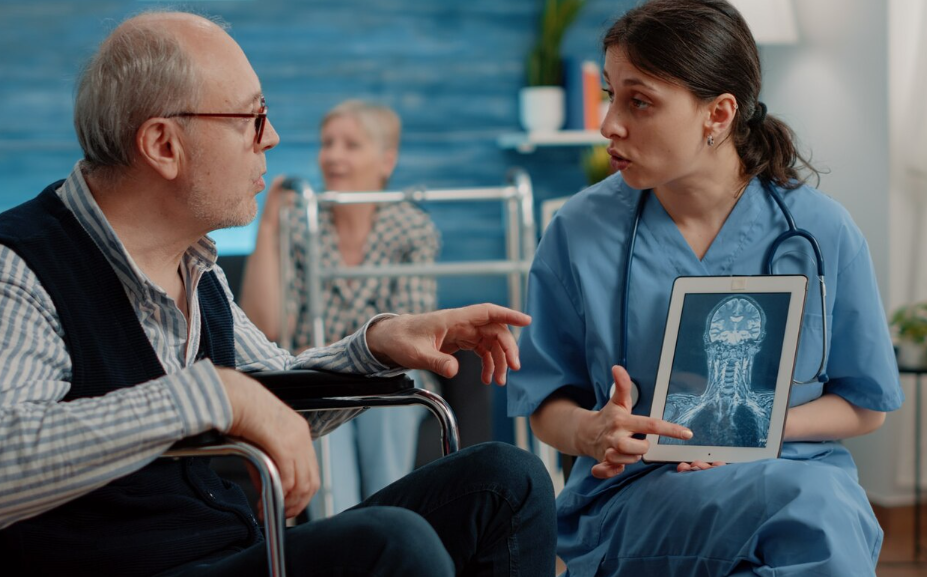
History of Mental Health: Understanding Its Evolution Through the Ages
Mental health has been an important part of human life throughout history. People have experienced emotional struggles, unusual behaviors, anxiety, depression, and psychological difficulties for thousands of years. However, the way societies understand and treat these conditions has changed significantly over time. In the past, mental health problems were often misunderstood and associated with supernatural beliefs. Today, mental healthcare is increasingly recognized as an essential part of overall health and well-being. The history of mental health explains how medical knowledge, scientific discoveries, social attitudes, and psychological research have shaped modern mental healthcare. Understanding this history helps us recognize the progress made in treating mental health conditions and the importance of continuing to improve access to professional support. Early Beliefs About Mental Health In ancient civilizations, people had limited knowledge of the human brain and psychological conditions. Many societies believed that unusual thoughts, emotional difficulties, and behavioral changes were caused by evil spirits, supernatural forces, or punishment from the gods. Some communities used religious ceremonies, prayers, and spiritual practices to address these concerns. Other civilizations developed early medical explanations for emotional and behavioral difficulties. Ancient Egyptian medical writings included descriptions of emotional distress and psychological symptoms. In ancient Greece, physicians began exploring physical and natural explanations for mental health conditions. These early beliefs were not based on modern scientific knowledge, but they represent important stages in humanity’s attempt to understand mental health. Mental Health in Ancient Greece and Rome Ancient Greek philosophers and physicians made important contributions to early ideas about mental health. Hippocrates, often called the father of medicine, suggested that mental conditions could have physical causes rather than being entirely supernatural. He proposed that health was connected to four bodily fluids, known as humors. Although this theory is scientifically outdated, it encouraged people to consider medical explanations for psychological difficulties. Greek and Roman thinkers also discussed emotions, memory, behavior, and the relationship between the mind and body. Some physicians recommended changes in diet, exercise, rest, and daily routines to support well-being. These ideas helped establish early foundations for medical approaches to mental health. Mental Health During the Middle Ages During the Middle Ages, religious beliefs strongly influenced how many European societies understood mental illness. Some psychological conditions were associated with spiritual problems, possession, or supernatural influences. As a result, people experiencing mental health difficulties sometimes faced fear, discrimination, isolation, and harmful treatment. However, medical knowledge continued developing in other parts of the world. Physicians in the Islamic Golden Age studied psychological conditions and established medical institutions that provided care for people experiencing mental distress. Persian physician Al-Razi and other scholars contributed to medical discussions about emotional and psychological health. Their work demonstrated that mental conditions could be studied through observation and medical reasoning. The Development of Mental Healthcare During the Renaissance The Renaissance brought renewed interest in science, medicine, education, and human understanding. Gradually, some physicians began questioning traditional explanations of mental illness and exploring more medical approaches. Hospitals and institutions for people experiencing psychological difficulties became more common in parts of Europe. However, living conditions and treatment methods were often poor. People with mental health conditions continued to experience social exclusion and were sometimes placed in institutions without adequate medical care. Despite these difficulties, the growing interest in scientific observation helped prepare the way for later developments in psychiatry and psychology. Read Also: Bihar Health Department: Services, Recruitment, Vacancies, Eligibility, and Official Website

My Health Hospitals: A Complete Guide to Hospital Services, Medical Care, Facilities, and Patient Support
Healthcare is an essential part of maintaining a healthy life, and choosing the right hospital can make a significant difference in a patient’s medical journey. From routine health checkups and preventive care to emergency treatment and specialist consultations, hospitals provide services that help people manage illnesses, recover from injuries, and improve their overall well-being. The keyword my health hospitals may refer to a specific hospital brand, a healthcare provider, or a general search for hospital services. When looking for a suitable hospital, patients should consider the available medical specialties, qualified healthcare professionals, diagnostic facilities, emergency services, patient reviews, and treatment costs. Understanding how hospitals operate can help individuals and families make informed healthcare decisions. This guide explains common hospital services, how to choose a suitable healthcare facility, what to expect during a hospital visit, and how to prepare for medical appointments. What Are My Health Hospitals? The phrase “my health hospitals” can be used when searching for healthcare facilities, hospital information, medical services, or patient care options. If it refers to a particular hospital network or organization, the exact services, locations, doctors, and facilities will depend on that provider. In general, hospitals are healthcare institutions where trained medical professionals diagnose, treat, and help prevent illnesses. They may provide outpatient consultations, inpatient treatment, surgical procedures, diagnostic testing, rehabilitation, and emergency care. Hospitals can differ in size and specialization. Some offer a wide range of medical services under one roof, while others focus on particular areas, such as cardiac care, orthopaedics, maternity services, or children’s healthcare. Before choosing a facility, patients should verify that it provides the service they need and that its medical professionals are appropriately qualified. Common Services Offered by Hospitals Hospitals provide different services depending on their size, facilities, and medical specialties. 1. General Medicine General medicine services help patients manage common illnesses, long-term health conditions, and unexplained symptoms. Doctors may evaluate symptoms, review medical histories, recommend diagnostic tests, and develop treatment plans. These services can be useful for patients experiencing fever, infections, digestive problems, or other medical concerns that require professional assessment. 2. Emergency and Urgent Care Emergency departments assess and treat serious or potentially life-threatening medical problems. Examples include severe injuries, difficulty breathing, symptoms of a stroke, major bleeding, and severe chest pain. Patients experiencing a medical emergency should seek immediate help rather than waiting for a routine appointment. Not every hospital offers the same level of emergency support, so patients should confirm the facility’s capabilities when possible. 3. Diagnostic and Laboratory Services Diagnostic services help healthcare professionals understand a patient’s condition. Depending on the hospital, these may include: Doctors determine which investigations are appropriate based on the patient’s symptoms, medical history, and examination. 4. Surgical Services Hospitals may provide minor procedures and major operations. Surgical specialties can include general surgery, orthopaedics, urology, neurosurgery, and other disciplines. Before surgery, patients should understand the purpose of the procedure, possible risks, expected recovery time, and available alternatives. They should also follow the medical team’s instructions about medicines, fasting, and aftercare. 5. Maternity and Women’s Healthcare Many hospitals offer antenatal checkups, pregnancy-related consultations, childbirth services, and postnatal care. Some also provide gynaecological examinations and treatment for reproductive health conditions. Patients should confirm whether a facility has the maternity, neonatal, and emergency support appropriate to their needs. 6. Children’s Healthcare Paediatric services focus on the health and development of infants, children, and adolescents. Depending on the facility, services may include childhood illness treatment, vaccinations, developmental assessments, and specialist consultations. Parents should check whether the hospital has paediatric emergency services when choosing a facility for a child. 7. Preventive Health Checkups Preventive healthcare aims to identify potential health concerns and support healthier habits before problems become more serious. Depending on a person’s age, medical history, and risk factors, a checkup may include blood pressure measurement, selected blood tests, screening recommendations, and lifestyle guidance. The most suitable tests and screening schedule should be determined with a qualified healthcare professional rather than relying on a package alone. How to Choose the Right Hospital Choosing a hospital involves more than looking at its name or location. Patients should consider the medical services they need, the qualifications of the healthcare team, and the quality and accessibility of care. Important Factors to Consider No single factor guarantees the quality of a hospital. Consider the overall suitability of the facility for the patient’s medical needs. Hospital Services Comparison Table Hospital service Main purpose What to check General medicine Assessment and treatment of common medical problems Doctor availability and appointment process Emergency care Immediate assessment of serious conditions Emergency facilities and response capability Diagnostics Investigations to support diagnosis Required tests, preparation, and reporting time Surgery Operative treatment of selected conditions Specialist experience, risks, and recovery support Maternity care Pregnancy, childbirth, and postnatal support Obstetric and newborn care facilities Paediatrics Medical care for children Paediatric specialists and emergency services Preventive checkups Screening and health assessment Tests appropriate to age and risk factors Services vary between hospitals. Contact the facility directly to confirm current availability. How to Prepare for a Hospital Visit Preparing for a hospital appointment can help make the consultation more productive and reduce unnecessary delays. Carry Your Medical Information Bring relevant previous medical reports, test results, prescriptions, allergy information, and details of existing medical conditions. Keep a list of medicines and supplements you currently take. Write Down Your Symptoms Before the appointment, note when your symptoms began, how often they occur, what makes them better or worse, and whether they affect sleep or everyday activities. This information can help the doctor understand your concerns. Prepare Questions for the Doctor Consider asking: Do not hesitate to ask for an explanation if medical terminology is unclear. Understand the Costs For planned treatment, request an estimate that includes consultation charges, investigations, medicines, procedures, and any expected hospital stay. Ask whether additional charges may apply. For insured patients, confirm coverage directly with the insurer and hospital before planned admission. Understanding Hospital Costs and Health Insurance Hospital costs can vary depending on

Bihar Health Department: Services, Recruitment, Vacancies, Eligibility, and Official Website
The Bihar Health Department plays an important role in providing healthcare services, improving public health, and managing medical facilities throughout Bihar, India. It works to strengthen healthcare infrastructure, support medical professionals, implement public health programs, and improve access to treatment for people living in both rural and urban areas. For residents, students, healthcare professionals, and job seekers, understanding the department’s responsibilities can make it easier to find information about government health schemes, hospitals, recruitment notifications, eligibility requirements, and public health initiatives. The department works through healthcare institutions, district-level health administration, and associated organizations, including the State Health Society, Bihar. These bodies support medical services, public health programs, and the recruitment of healthcare personnel for different roles. Whether you want to learn about government healthcare services or explore medical job opportunities, knowing where to find official information is an important first step. What Is the Bihar Health Department? The Bihar Health Department is a government department responsible for health-related administration and policy implementation in the state. Its work includes supporting public hospitals, improving healthcare delivery, implementing health programs, and overseeing aspects of medical education and professional recruitment. The department aims to improve access to essential medical services and strengthen healthcare systems across Bihar. Key Responsibilities Some of the department’s major responsibilities include: For official departmental information, visit the Government of Bihar Health Department website. Major Healthcare Services in Bihar The state’s healthcare system includes different types of facilities designed to meet the needs of patients at various levels of care. Primary Healthcare Services Primary healthcare facilities provide essential medical services close to where people live. Depending on the facility, these services may include general consultations, basic diagnostic support, immunization, maternal healthcare, and referrals. Health Sub-Centres, Health and Wellness Centres, and Primary Health Centres help connect rural communities with healthcare services. Community Health Centres Community Health Centres provide a broader range of medical services than many primary-level facilities. They may offer outpatient treatment, emergency stabilization, maternal care, and referral services according to staffing and available resources. These facilities help reduce the need for patients to travel long distances for every medical concern. District Hospitals District hospitals provide a higher level of medical care and may offer specialist consultations, diagnostic services, inpatient treatment, and emergency care. The range of services varies by hospital, available specialists, and infrastructure. Government Medical Colleges and Hospitals Government medical colleges and teaching hospitals support patient treatment, medical education, clinical training, and research. They may provide specialist and advanced treatment services for patients referred from other facilities. Patients should check directly with the relevant hospital for available departments, appointment arrangements, emergency services, and treatment requirements. Important Official Websites Several government portals provide information related to healthcare administration, recruitment, and medical education in Bihar. Official resource Main purpose Bihar Health Department Departmental announcements, policies, and health-related information State Health Society, Bihar Public health programs, recruitment advertisements, and notices BCECE Board Selected medical recruitment notices, entrance examinations, and counseling information Government of Bihar State government departments and official services Always verify the website address before entering personal information, uploading documents, or making an application payment. Bihar Health Department Recruitment Government healthcare jobs in Bihar attract candidates with medical, nursing, pharmacy, laboratory, administrative, and other relevant qualifications. Recruitment may take place through the Health Department, the State Health Society, Bihar, the Bihar Combined Entrance Competitive Examination Board (BCECEB), or another designated recruiting authority, depending on the post. The recruitment process, qualifications, salary, and selection method differ by vacancy. Common Healthcare Job Categories Potential job categories include: These are examples of roles that may be advertised by relevant Bihar health organizations. They should not be interpreted as confirmation that every position is currently open. The State Health Society, Bihar recruitment page is a useful starting point for checking official advertisements and recruitment updates. The BCECEB notice board also publishes selected notices for posts under the Health Department. How to Check Current Vacancies Follow these steps to find the latest recruitment information: For example, the official BCECEB notice board has published recruitment notices for Senior Resident and Tutor positions under the Bihar Health Department in 2026. Current status and deadlines must be verified directly on the notice board. <Link url=”https://bceceboard.bihar.gov.in/NoticeBoard.php” title=”View official recruitment notices.” /> Eligibility Requirements for Health Department Jobs Eligibility depends on the position, educational qualification, recruitment rules, and whether the role is regular or contractual. Educational Qualifications Different posts require different educational backgrounds. Examples include: Job category Typical qualification area Medical officer Recognized medical qualification and applicable registration Specialist doctor Relevant medical qualification and specialty credentials Senior resident or tutor Required postgraduate or other qualifications specified in the notification Nursing personnel Recognized nursing qualification and applicable registration ANM Recognized ANM qualification and required registration, where applicable Laboratory technician Relevant laboratory or medical laboratory qualification Pharmacist Recognized pharmacy qualification and applicable registration Community Health Officer Qualification and eligibility specified under the relevant program and recruitment rules The precise qualification, required marks, experience, registration, and age limit must be confirmed in the specific recruitment advertisement. Documents Commonly Required Candidates may need some or all of the following: Document requirements vary by post. Applicants should prepare documents according to the official instructions rather than relying on a general checklist alone. Bihar Health Department Salary and Benefits Salary depends on the job title, pay level, qualification, experience, employment type, and applicable government rules. Regular government posts may follow an approved pay scale and may include allowances and other benefits according to the relevant service rules. Contractual positions may instead offer a fixed monthly remuneration or a payment structure defined in the recruitment advertisement. Factors That Affect Salary Candidates should consult the official notification for the exact salary or remuneration. Salary figures shared on unofficial websites may refer to older recruitment cycles or different job categories. Major Public Health Programs The Bihar healthcare system participates in public health initiatives designed to prevent disease, improve maternal and child health, and increase access to essential services. Maternal and Child Healthcare Maternal and child health initiatives aim to

Santa Fe Family Life Center: Fitness, Sports, Programs, and Community Wellness
Finding a fitness facility that combines exercise, recreation, sports, and community involvement can make staying active more enjoyable and sustainable. The Santa Fe Family Life Center in Oklahoma City is a nonprofit multisport facility designed to provide fitness, recreation, and wellness opportunities for people of different ages, backgrounds, and abilities. Its programs extend beyond traditional gym workouts to include sports, adaptive recreation, wellness activities, community events, and opportunities for families to stay active together. The facility has a strong emphasis on accessibility and inclusion. It works with community organizations and provides programs for individuals with disabilities, veterans, under-resourced youth, older adults, and other members of the Oklahoma community. What Is the Santa Fe Family Life Center? The Santa Fe Family Life Center, commonly known as SFFLC, is a nonprofit organization and multisport facility in Oklahoma City, Oklahoma. Its mission centers on improving the health of Oklahomans by providing sports and fitness programs for people of all abilities. The organization began its current community-focused operation in 2007. Since then, it has expanded its fitness, basketball, swimming, and accessibility offerings while partnering with other nonprofit organizations. The facility is located at 6300 N Santa Fe Avenue, Oklahoma City, Oklahoma 73118. Rather than functioning solely as a conventional gym, the center combines fitness, sports, wellness, recreation, and community programming in one location. A Focus on Inclusive Fitness One of the most distinctive features of the center is its emphasis on adaptive and accessible recreation. The organization aims to reduce barriers that can prevent people from participating in physical activity. This includes developing programs and facilities that can accommodate individuals with different physical abilities and experience levels. Its community efforts include programs serving: This approach makes the facility relevant to people who may not feel comfortable in a traditional fitness environment. Fitness and Wellness Opportunities Fitness is an important part of the facility’s overall programming. Members can participate in exercise and wellness activities while also having access to a broader recreation environment. A balanced fitness routine can include several different forms of exercise. Strength Training Strength training can help improve muscular strength and physical capacity. Depending on available equipment and programs, members can incorporate resistance exercises into their weekly routines. A basic strength session might include: Beginners should start with manageable resistance and focus on technique before increasing intensity. Cardiovascular Exercise Cardio can be used to improve endurance and complement resistance training. Walking, cycling, swimming, and other aerobic activities can become part of a balanced fitness routine. People who are new to exercise can begin with short sessions and gradually increase duration. Mobility and Recovery Mobility and recovery are also important components of long-term fitness. Gentle stretching, controlled movement, and lower-intensity activities can help people maintain an active routine without making every workout highly demanding. Swimming and Aquatic Recreation Swimming is another part of the center’s recreational offerings. The organization has incorporated aquatic programming into its facility, providing opportunities for swimming and water-based activities. Aquatic exercise can be useful for people who want a lower-impact form of physical activity. Water-based movement can also provide an alternative to conventional gym workouts. The facility has also hosted community events that combine swimming with entertainment and social activities, demonstrating how the pool can function as both a fitness resource and a community gathering space. Basketball Programs Basketball is an important part of the center’s sports programming. The facility supports basketball activities for different groups and abilities. Basketball can provide cardiovascular exercise while also developing coordination, agility, balance, and teamwork. Programs may range from recreational activities to organized leagues and community-focused opportunities. For younger participants, organized sports can also provide valuable opportunities to develop confidence and social skills. Tennis and Racquet Sports The center’s history includes its previous identity as a private tennis club, and racquet sports remain part of its recreational offerings. Tennis can provide a combination of aerobic activity, coordination, balance, and quick movement. It can be played recreationally or as part of a more structured training program. For people who enjoy social sports, racquet activities can also provide an opportunity to exercise while interacting with other members. Pickleball Pickleball has become another popular recreational option at many multisport facilities, and the center provides opportunities for players to participate in this growing sport. Pickleball can be appealing because it combines movement, coordination, and social interaction without requiring the same court coverage as some other racquet sports. Players can participate recreationally or join organized activities depending on their experience level. Adaptive Sports and Recreation Adaptive sports are one of the most important elements of the center’s identity. Adaptive recreation modifies activities, equipment, rules, or environments when necessary to help individuals with disabilities participate more fully. Programs can create opportunities for participants to: The goal is not simply to provide modified exercise. It is also to create an environment where participants can experience the social and emotional benefits of being part of a recreational community. Programs for Veterans The center also supports veterans through fitness and recreation opportunities. Physical activity can provide structure, social connection, and an enjoyable way to stay active. Programs designed specifically for veterans can create a more comfortable environment for participants who share similar experiences. Community events and specialized activities can also provide opportunities for veterans to connect with other participants outside traditional fitness settings. Youth Programs Youth recreation is another important part of the facility’s community mission. Sports and physical activities can help young people develop: Programs that combine recreation with a supportive environment can also help children and teenagers develop positive attitudes toward physical activity. The center works with community partners to expand opportunities for young people who may have limited access to sports and fitness resources. Community Events The facility regularly hosts community-focused events in addition to ongoing fitness and sports programs. Examples can include: These events make the facility more than a place to exercise. They create opportunities for people to connect through shared activities. Membership and Facility Access Membership can provide access to fitness, recreation, wellness, and community

City Sports Membership: A Complete Guide to Plans, Benefits, and Cancellation
Choosing a gym membership involves more than comparing monthly prices. You also need to consider available equipment, classes, amenities, billing arrangements, cancellation policies, and whether the facility fits your lifestyle. city sports membership provides access to a broad range of fitness options, with City Sports Club offering cardio and strength equipment, group fitness classes, personal training, pools, indoor cycling, and court-based activities. Membership features and offers can vary by location, so reviewing the terms for your specific club is important. What Is City Sports Club? City Sports Club is a fitness and health club brand with locations primarily in California. Its facilities are designed to support different workout preferences, from traditional weight training and cardio to group classes and recreational activities. The official website describes a range of available amenities, including: Not every amenity or offer is necessarily available at every location, so prospective members should check their individual club before joining. Types of Workouts Available One of the notable aspects of City Sports Club is the variety of training options. A member who enjoys strength training can use the weight room, while someone focused on endurance may prefer cardio equipment or the pool. People who enjoy instructor-led exercise can choose from available group fitness classes. This variety can make it easier to build a balanced fitness routine. Strength Training Strength areas may include free weights and other resistance equipment. A basic strength routine can include movements that target: Beginners should focus on learning proper technique and selecting an appropriate level of resistance before attempting heavier loads. Cardio Training Cardiovascular equipment can provide several ways to improve endurance. Depending on the location, members may have access to equipment such as treadmills, bikes, elliptical machines, and other cardio options. Cardio workouts can be performed independently or combined with resistance training. Group Fitness Classes Group exercise can add structure and variety to a weekly routine. City Sports Club promotes a range of group fitness opportunities, although specific classes can vary by club and schedule. Group classes may appeal to people who prefer: Before attending a class, check the current schedule through the club’s available member tools. Personal Training Personal training is another service offered by City Sports Club. The official website identifies personal training as one of its membership-related fitness options. Working with a trainer may help members who need assistance with: Personal training may carry an additional charge, and the company notes that some services are purchased separately at the club. Pool and Recreational Amenities Some City Sports Club facilities offer aquatic and recreational amenities. The company’s website highlights junior Olympic-sized pools, basketball courts, and racquetball courts among the available facility features. These amenities can provide alternatives to traditional gym workouts. For example, swimming can be incorporated into a cardiovascular routine, while court activities can add recreational movement to a weekly schedule. Because amenities differ by location, it is important to confirm that your preferred facility has the specific feature you want to use. Mobile App and Online Member Tools Technology is also part of the membership experience. City Sports Club provides an online member account that can be used for various account and fitness-related functions. Members can use the system to manage profile information, make payments, update billing information, freeze memberships, review check-in history, and access other services. The official mobile app also supports features such as mobile check-in, viewing studio schedules, finding locations, booking personal training sessions, and reviewing check-in history. These tools can make it easier to manage a membership without handling every task at the front desk. How to Find a City Sports Location City Sports Club provides an online location directory where users can search for clubs by city or ZIP code. The current directory lists locations across California, including clubs in areas such as Berkeley, Concord, Fremont, Hayward, San Jose, Sacramento, San Francisco, Sunnyvale, and other communities. When comparing locations, consider: The closest club is not necessarily the most suitable if it does not offer the amenities you plan to use. Understanding Membership Costs Membership pricing can vary depending on location, plan type, promotions, and other factors. The official City Sports Club website states that advertised rates can change without notice and that offers may not be available at all locations. When reviewing the cost of a membership, look beyond the advertised monthly amount. Consider the total potential cost, including: Cost or Factor What to Check Monthly dues Regular recurring membership payment Enrollment fees One-time joining costs, if applicable Annual fees Check whether the agreement includes additional recurring charges Personal training May be charged separately Kids’ services May carry an additional charge Cancellation terms Review the requirements before joining Freeze fees Check whether temporary suspension has a cost Understanding the complete pricing structure can help prevent surprises later. Who Can Join? City Sports Club’s current website states that a member must generally be at least 16 years old, or at least 13 when accompanied by a legal guardian. It also states that a legal guardian who is at least 18 must purchase and sign on behalf of a minor. Age requirements and specific membership rules should be confirmed with the individual club before enrollment. How to Get the Most From Your Membership Simply joining a gym does not guarantee progress. The value of a membership largely depends on how consistently you use it. Create a Weekly Schedule Choose workout days that fit your existing routine. For example: The schedule should be adapted to your personal fitness level and goals. Explore Different Amenities If your club offers multiple types of equipment and activities, experiment with different options. Trying group classes, strength training, cardio, swimming, or court activities can help keep exercise interesting. Use the Member App The online and mobile tools can help you track visits, view schedules, manage billing information, and access other membership functions. How to Freeze a Membership A temporary membership suspension may be useful if you are not planning to use the gym for an extended period. City Sports Club’s membership

Fitness CF Mount Dora: A Complete Guide to the Gym and Its Amenities
Finding a fitness center that offers quality equipment, flexible membership options, group classes, personal training, and useful amenities can make it easier to maintain a consistent workout routine. Fitness CF Mount Dora is a full-service fitness center in Mount Dora, Florida, offering a broad selection of exercise equipment, fitness programs, wellness services, and family-friendly amenities. Located at 18840 U.S. 441 in Mount Dora, the facility provides options for people with different fitness goals, from beginners looking to establish a workout routine to experienced members focused on strength, cardio, or functional training. The gym also offers group fitness, yoga, Pilates, cycling, personal training, childcare, and a women’s-only workout area. Whether you are considering a new gym membership, looking for a place to train near Mount Dora, or simply want to learn more about the facility, understanding its features can help you decide whether it matches your needs. Where Is Fitness CF Mount Dora? Fitness CF Mount Dora is located at: 18840 U.S. 441Mount Dora, FL 32757 The gym’s listed phone number is 352-383-4278. Its location on U.S. 441 makes it accessible to residents of Mount Dora and surrounding communities. The facility is part of the Fitness CF group of Central Florida gyms, which also includes locations in Orlando, Clermont, South Clermont, and St. Cloud. Fitness CF Mount Dora Hours The gym offers extended operating hours throughout the week. According to its current location information, the hours are: The facility also has separate Kids Club hours, which vary by day. These extended hours can be useful for members with different schedules. Early-morning exercisers can visit before work, while people with later schedules can work out in the evening. Because hours can change for holidays, maintenance, or special events, checking the gym’s current schedule before visiting is recommended. Workout Equipment One of the major features of Fitness CF Mount Dora is its wide selection of cardio and strength-training equipment. The facility describes its workout area as featuring cardio machines such as: It also provides free weights and strength-training equipment for members with different training goals. Having access to different types of equipment allows members to create varied workouts instead of relying on one type of exercise. For example, a beginner might combine treadmill walking with basic resistance machines, while an experienced member may create a structured strength-training program using free weights and other equipment. Group Fitness Classes Group classes can be a useful option for people who enjoy structured workouts and a social environment. Fitness CF Mount Dora offers a variety of group fitness options. Classes can provide a planned workout without requiring members to create every exercise session themselves. Group fitness may be suitable for people interested in: The availability and schedule of individual classes can change, so members should check the current class schedule when planning their workouts. Yoga and Pilates Fitness CF Mount Dora includes dedicated options for yoga and Pilates. Yoga can complement traditional strength and cardio training by incorporating stretching, controlled movement, balance, and mindful exercise. Pilates provides another low-impact workout option. The facility describes its Pilates classes as being designed to support exercise while being relatively easy on the joints. These programs can be useful for members who want to add variety to their weekly fitness routine. Cycling and Spin Classes Cycling is another option available at Fitness CF Mount Dora. Indoor cycling can provide a structured cardiovascular workout without requiring outdoor riding. Spin-style classes can also provide an energetic group environment where an instructor guides participants through different levels of effort. For members who enjoy cardio but want an alternative to treadmills or elliptical machines, cycling can add variety to a weekly workout schedule. Personal Training Fitness CF Mount Dora also provides personal training services. Working with a personal trainer can be helpful for people who want individualized guidance. A trainer can help members understand exercise techniques, organize workouts, and develop routines around specific fitness objectives. Personal training may be useful for: The facility states that its personal trainers can create training programs based on an individual’s abilities and goals. Before purchasing personal training sessions, it is useful to ask about trainer availability, session length, pricing, and the type of program offered. On-Site Childcare One feature that can be particularly useful for parents is the on-site childcare area. Fitness CF Mount Dora states that it has a 3,000-square-foot supervised play area for children from 3 months through 12 years of age. Childcare can make it easier for parents to maintain a regular exercise routine without arranging separate childcare for every gym visit. The Kids Club has its own operating schedule, which is different from the gym’s general hours. Parents should check the current schedule and facility rules before planning a visit. Women’s-Only Workout Area Fitness CF Mount Dora also offers a private women’s-only workout area. A separate workout area can be useful for members who prefer a more private environment while exercising. It provides another option within the larger fitness facility rather than requiring members to use only the main workout floor. This feature may appeal to women who are more comfortable training in a dedicated space or who prefer additional privacy during certain workouts. Sauna and Wellness Amenities Fitness CF Mount Dora is also associated with wellness and recovery amenities. Local business information identifies a sauna among the facility’s amenities, while member-oriented information also highlights wellness features. A sauna can be an appealing addition for members who enjoy spending time in a wellness area after their workout. However, amenities and access policies can change, so members should confirm the current availability and membership requirements directly with the facility. Fitness CF Mount Dora Membership Options Fitness CF offers several membership options, including both committed and non-committed month-to-month options. Having different membership structures can help accommodate people with different preferences. For example, a month-to-month option may appeal to someone who does not want a long-term commitment. A longer membership arrangement may be suitable for someone who expects to use the gym consistently for an extended period.

Galaxy Health Insurance Company: Complete Guide to Health Insurance
Health insurance is an important part of financial planning because unexpected medical expenses can put significant pressure on individuals and families. When searching for reliable health insurance options, many people use the keyword Galaxy Health Insurance Company to learn about available plans, benefits, coverage, claims, and policy features. Choosing a health insurance policy involves more than comparing premiums. Policyholders should understand the coverage amount, exclusions, waiting periods, network hospitals, deductibles, co-payments, claim procedures, and renewal conditions. This guide explains the key areas to consider when researching Galaxy Health Insurance Company and evaluating health insurance coverage. What Is Galaxy Health Insurance Company? Galaxy Health Insurance Company is a term people may use when searching for health insurance services and information. Before purchasing any policy, it is important to verify the insurer’s exact legal name, regulatory authorization, location of operation, and the specific insurance product being offered. Health insurance policies are generally designed to help policyholders manage eligible medical expenses. Depending on the plan, coverage may include hospitalization, surgeries, diagnostic tests, emergency treatment, day-care procedures, and other healthcare services. Because insurance products can differ significantly, consumers should always check the official policy documents for the exact benefits and conditions. Why Is Health Insurance Important? Medical treatment can become expensive, particularly when hospitalization or specialized treatment is required. Hospital room charges, doctor’s fees, medicines, diagnostic tests, surgery, and follow-up treatment can add up quickly. Health insurance can help protect individuals and families from the financial impact of eligible medical expenses. Key Reasons to Consider Health Insurance The level of protection depends on the specific policy and its terms and conditions. Types of Health Insurance Plans When researching Galaxy Health Insurance Company, it is useful to understand the common types of health insurance coverage. Individual Health Insurance An individual health insurance plan generally covers one insured person. It can be suitable for people who want personal medical coverage rather than relying entirely on an employer-sponsored plan. Premiums may depend on factors such as age, location, coverage amount, and applicable underwriting conditions. Family Health Insurance Family health insurance allows multiple family members to be covered under one policy. Depending on the policy structure, the insured members may share a common sum insured. This type of coverage can make it easier for families to manage their health insurance needs under one plan. Senior Citizen Health Insurance Senior citizen health insurance is designed for older individuals and may provide coverage for healthcare needs that become more common with age. Important factors include premiums, waiting periods, co-payments, exclusions, eligibility requirements, and coverage limits. Employer-Sponsored Health Insurance Many employers provide health insurance as an employee benefit. However, employees should understand whether coverage continues after leaving the company and whether they may need separate individual coverage. Important Health Insurance Benefits Different health insurance plans provide different benefits. Some of the most important features to examine include the following. Hospitalization Coverage Hospitalization coverage can help pay eligible expenses associated with inpatient treatment. However, certain policies may have limits on room rent, intensive-care units, specific treatments, or other expenses. Pre- and Post-Hospitalization Coverage Some policies cover eligible medical expenses incurred before and after hospitalization. The number of days covered and the expenses that qualify depend on the specific policy. Cashless Treatment Cashless treatment may allow policyholders to receive eligible treatment at participating network hospitals without paying the entire approved amount upfront. The facility is subject to the policy terms and applicable authorization procedures. Ambulance Coverage Some health insurance policies include coverage for eligible ambulance expenses. There may be specific limits or conditions, so policyholders should review the relevant section of their policy. Day-Care Procedures Some medical procedures can be completed without a long hospital stay. Health insurance policies may cover eligible day-care procedures subject to their terms and conditions. Preventive Healthcare Benefits Certain health insurance plans may provide preventive healthcare benefits such as health checkups or wellness services. The availability of these benefits varies by policy. Understanding the Sum Insured The sum insured is one of the most important parts of a health insurance policy. It generally represents the maximum amount the insurer may pay toward covered claims during the policy period, subject to the policy’s terms, limits, exclusions, and conditions. When selecting a coverage amount, consider: A lower premium does not necessarily mean a policy is more suitable if the coverage amount is insufficient. What Are Waiting Periods? A waiting period is a specified period during which certain illnesses, treatments, or conditions may not be covered. Depending on the policy, waiting periods may apply to: Understanding waiting periods is particularly important if you already have a medical condition or anticipate needing a specific treatment. Health Insurance Exclusions An exclusion is an expense, treatment, condition, or situation that is not covered under the policy. Possible exclusions can include certain treatments, specific procedures, particular conditions during applicable waiting periods, and expenses that do not satisfy the policy requirements. Always Check The actual exclusions depend on the insurance product, so the policy document should always be reviewed carefully. How Does the Health Insurance Claim Process Work? Understanding how claims work can help policyholders avoid confusion when medical treatment is required. There are generally two common claim methods. Cashless Claim Under a cashless claim, the insured person receives treatment at an eligible network hospital. The insurer or claims administrator may settle approved expenses directly with the hospital according to the policy terms. The policyholder may still need to pay expenses that are not covered. Reimbursement Claim With reimbursement, the policyholder generally pays the eligible medical expenses first and submits the required documents to the insurer. After reviewing the claim, the insurer determines the amount payable under the policy. Documents may include: How to Compare Galaxy Health Insurance Company With Other Providers Comparing insurance plans can help consumers understand what they are actually paying for. Feature What to Check Coverage amount Maximum available protection Premium Cost of the policy Network hospitals Available cashless hospitals Waiting period Time before selected benefits apply Exclusions Expenses not covered