
Choosing the right attorney is a crucial step when facing legal issues. Whether you need help with a personal injury case or dealing with a wrongful termination at work, finding the right lawyer can make a big difference in the outcome of your case. This guide offers simple, practical tips to help you select an attorney who fits your needs. Understand Your Legal Needs Before you start looking for an attorney, clearly understand your legal situation. Are you dealing with a personal injury claim, where you were hurt due to someone else’s negligence? Or are you facing issues related to wrongful termination, where you believe you were fired unfairly? Different types of cases require different kinds of expertise. Knowing what kind of legal help you need will help narrow down your search. Research Potential Attorneys Once you know what you need, start researching attorneys who specialize in that area. For personal injury cases, look for personal injury attorneys. These lawyers have experience handling cases where people have been injured due to accidents or negligence. If your issue is wrongful termination, seek out a wrongful termination attorney who is experienced in employment law and has handled cases of unfair dismissal. Check Their Experience Experience matters a lot in legal matters. An attorney with experience in your specific type of case will be more familiar with the laws and procedures that apply. For example, a personal injury attorney with years of experience will know the best strategies for proving your case and getting the compensation you deserve. Similarly, a wrongful termination attorney with a good track record in employment disputes will understand how to handle your case effectively. Look at Their Reputation An attorney’s reputation can provide valuable insight into their work ethic and effectiveness. Look for reviews and testimonials from previous clients. A good reputation usually means that the attorney is skilled and reliable. You can check online reviews or ask the attorney for references. Speaking to past clients can give you a clearer picture of what to expect. Meet With Potential Attorneys It’s important to meet with potential attorneys before making a decision. This initial meeting is usually free and can help you gauge if you feel comfortable with the attorney. Pay attention to how they communicate and whether they listen to your concerns. An attorney who is attentive and understanding will likely be easier to work with. Discuss Fees and Costs Legal services can be expensive, so it’s crucial to discuss fees and costs upfront. Most attorneys offer a free initial consultation, but you should ask about their rates and any additional costs. Some personal injury attorneys work on a contingency fee basis, meaning they only get paid if you win the case. For wrongful termination cases, the payment structure might be different. Make sure you understand how and when you will be charged. Conclusion Choosing the right attorney is essential for achieving a successful outcome in your legal matter. By understanding your needs, researching potential attorneys, and considering their experience and reputation, you can find a lawyer who is well-suited to your case. Following these tips will help ensure you make an informed decision. Taking the time to choose the right attorney can make all the difference in your legal journey.
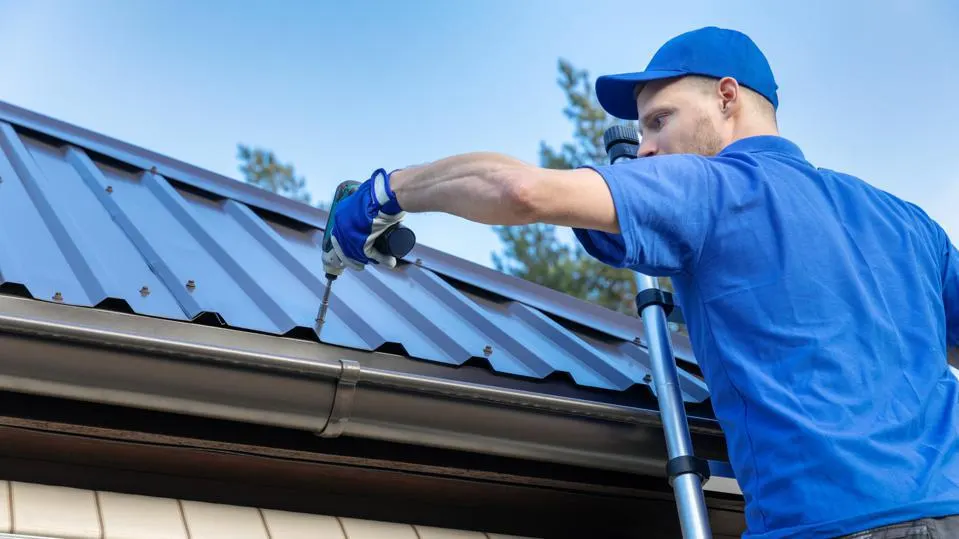
Roofing Solutions: Expert Tips on Installation and Repair
Roofing is one of the most crucial aspects of home construction and maintenance. A well-installed roof not only enhances the aesthetic appeal of a home but also provides essential protection against the elements. However, roofing installation and repairs can be daunting tasks for many homeowners. This article will provide expert tips on roofing installation and roof repairs to ensure your roof remains in top condition for years to come. Understanding Roofing Installation Choosing the Right Materials The first step in any roofing installation project is selecting the right materials. Various options are available, including asphalt shingles, metal roofing, wood shakes, and clay tiles. Each material has its own set of advantages and disadvantages. Asphalt Shingles:These are the most popular choice due to their affordability and ease of installation. They come in various colors and styles, making them versatile for different architectural designs. Metal Roofing:Known for its durability and longevity, metal roofing is an excellent choice for areas prone to severe weather. It is also energy-efficient, reflecting heat and reducing cooling costs. Wood Shakes:These offer a natural, rustic look but require more maintenance and are less fire-resistant. Clay Tiles:Highly durable and aesthetically pleasing, clay tiles are ideal for Mediterranean or Spanish-style homes. However, they are heavier and may require additional structural support. Preparing the Roof Deck Before installation begins, it is crucial to ensure the roof deck is in good condition. This involves removing old roofing materials, inspecting for damage, and making any necessary repairs. A clean and sturdy roof deck provides a solid foundation for the new roof, preventing future issues. Proper Installation Techniques Proper installation techniques are essential for the longevity and performance of your roof. Here are some key tips: Starter Shingles:Installing starter shingles along the eaves provides a secure base and prevents water from seeping underneath the shingles. Underlayment:Using a high-quality underlayment adds an extra layer of protection against moisture. It acts as a barrier, preventing water from penetrating the roof deck. Nailing:Proper nailing is critical to ensure shingles stay in place. Nails should be driven straight and flush with the shingle surface. Overdriving or underdriving nails can compromise the roof’s integrity. Ventilation:Adequate ventilation is crucial for preventing moisture buildup and prolonging the life of your roof. Ensure that your attic has sufficient intake and exhaust vents to allow proper airflow. Roof Repairs: Maintaining Your Roof’s Integrity Regular Inspections Regular roof inspections are vital for identifying potential issues before they become major problems. It is recommended to inspect your roof at least twice a year, preferably in the spring and fall. Look for signs of damage, such as missing or cracked shingles, leaks, and sagging areas. Addressing Minor Repairs Minor repairs, if addressed promptly, can prevent more extensive and costly damage. Here are some common minor roof repairs: Replacing Shingles:If you notice any missing or damaged shingles, replace them immediately. Ensure the new shingles match the existing ones in color and style. Fixing Leaks:Leaks can cause significant damage if not repaired promptly. Identify the source of the leak and seal it with roofing cement or a patch kit. It is also essential to check the attic for signs of water damage. Cleaning Gutters:Clogged gutters can lead to water backup, causing damage to the roof and fascia. Regularly clean your gutters to ensure proper drainage. Hiring a Professional for Major Repairs While minor repairs can often be handled by homeowners, major roof repairs should be left to professionals. This includes repairing extensive water damage, replacing large sections of the roof, and fixing structural issues. Hiring a professional ensures the job is done correctly and safely. Preventative Maintenance Preventative maintenance is key to extending the life of your roof. Here are some tips: Trim Overhanging Branches:Trees can pose a significant risk to your roof, especially during storms. Trim any branches that hang over your roof to prevent damage from falling limbs. Remove Debris:Regularly remove leaves, twigs, and other debris from your roof. Accumulated debris can trap moisture, leading to rot and mold growth. Check Flashing:Flashing is used to seal joints and prevent water penetration. Inspect the flashing around chimneys, vents, and skylights for any signs of damage or deterioration. Conclusion Roofing installation and repairs are essential tasks that require attention to detail and proper techniques. By choosing the right materials, ensuring proper installation, and conducting regular maintenance, you can protect your home and extend the life of your roof. Whether you are tackling a new roofing project or addressing repairs, following these expert tips will help you achieve a durable and reliable roof. Remember, when in doubt, always consult with a professional to ensure the best results for your roofing needs.

5 Tips to Improve the Aesthetic Appeal of Your House
Improving the aesthetic appeal of your house can be an exciting yet challenging endeavor. It’s not just about making your home look beautiful. It’s also about creating a space that reflects your personality and style. This guide will provide you with five practical tips to enhance the aesthetic appeal of your house. Whether it’s choosing the right color palette, incorporating unique decor items, or optimizing natural light, these tips will help you transform your house into a visually pleasing space. So, without any further ado, let’s move on! 5 Tips for Boosting Your Home’s Aesthetic Appeal Here are five tips for boosting your home’s aesthetic appeal: Do Home Repairs if Needed: Maintaining the beauty of your home needs regular care. This will encompass everything from painting to promptly dealing with any defects. Proactive tasks such as cleaning the gutters, inspecting the roofing, and checking for leaks can save a lot of trouble later. It’s also critical to undertake landscaping, including tree trimming, to ensure there is proper drainage around the foundation. Through preventive maintenance, later on, you may spend less time and money. Maintain a Sparkling Exterior: Over time, dirt and grime can accumulate on your home’s exterior, dulling its shine. Regular cleaning can help maintain its appearance. An effective solution to this problem is residential pressure washing, which helps to remove stubborn dirt and grime, keeping your home’s exterior looking its best. By investing in pressure washing services, you can easily revitalize your home’s exterior and improve its curb appeal. This can also help prevent damage caused by dirt buildup and prolong the life of your exterior surfaces. Enhance Your Outdoor Spaces: The appearance of your home’s exterior is the first thing that visitors to your house will notice. Imagine allocating money towards landscaping or including other outdoor features, such as a patio or deck, in your curb appeal. By using attractive exterior spaces, you have the ability to make your home even more appealing and increase its value at the same time. Adding plants, flowers, and any outdoor seating area will contribute to a calm and welcoming environment for you and your guests. Preserve the Beauty of Your Floors: The condition of your floors can significantly impact the overall look of your home. Regular cleaning, coupled with occasional deep cleaning, can keep them looking shiny and new. A key aspect of maintaining the shine of your tiles is tile floor polishing, which helps to restore the luster of your tiles. By regularly polishing your tile floors, you can prevent dirt and grime from building up and keep them looking pristine. Consider investing in area rugs or mats in high-traffic areas to protect your floors from wear and tear. Add Personal Touches: Introducing your personal touches to the house by way of family photos, artwork, or fresh paint in your favorite color is an easy way to transform the house into a home and enhance its beauty. Adding finishing touches to your home helps to create a feeling of a warm atmosphere as well as a personality and character that make it yours. It can be as simple as a chunky throw blanket folded over the couch or a pot of live flowers set on the dining table, which can add to the overall feel of your home.