

For pilots, maintaining medical compliance is not just a requirement—it is essential for safety in the skies. The Federal Aviation Administration (FAA) requires pilots to meet strict medical standards to ensure they are physically and mentally fit to operate aircraft. Navigating these regulations can be challenging, especially for pilots managing medical conditions or facing health concerns. This is where HIMS AME services play a crucial role. HIMS, which stands for Human Intervention Motivation Study, works closely with Aviation Medical Examiners (AMEs) to help pilots stay compliant with FAA regulations while maintaining their careers. Understanding HIMS AME Services HIMS AME services are specialized programs designed to support pilots who need guidance in medical compliance. These services are provided by trained Aviation Medical Examiners who are part of the HIMS network. The goal of HIMS AME is to ensure that pilots with medical conditions, such as mental health challenges or substance use disorders, can safely continue their flying careers. HIMS AMEs have expertise in FAA regulations and can offer advice and treatment options tailored to each pilot’s needs. This specialized support allows pilots to address health issues responsibly without risking their certification unnecessarily. Supporting Pilots with Medical Evaluations One of the main ways HIMS AME services help pilots is through thorough medical evaluations. Pilots may require regular check-ups, assessments, or ongoing monitoring depending on their medical history. HIMS AMEs are trained to conduct these evaluations efficiently and accurately, providing detailed reports to the FAA as needed. These evaluations not only verify that a pilot meets medical standards but also ensure that any conditions are managed properly. By working with a HIMS AME, pilots gain access to experts who understand the unique requirements of aviation medicine and FAA expectations. Assisting with Treatment and Monitoring HIMS AME services go beyond simple evaluations. They also provide guidance for treatment and ongoing monitoring of medical conditions. For instance, if a pilot is dealing with a health concern like depression, anxiety, or a controlled substance issue, HIMS AMEs can coordinate treatment plans that comply with FAA rules. They help pilots access counseling, therapy, or medical interventions while keeping the FAA informed about progress. This structured approach ensures that pilots do not face unexpected complications with their medical certification and can continue flying safely. Simplifying FAA Communication Dealing with the FAA can sometimes be overwhelming due to complex paperwork and strict requirements. HIMS AME services simplify this process for pilots. Experienced HIMS AMEs understand the documentation and reporting requirements needed for medical certification. They act as a bridge between the pilot and the FAA, ensuring that all necessary information is communicated clearly and accurately. This support reduces stress for pilots and minimizes the risk of errors that could delay or jeopardize certification. Promoting Long-Term Career Safety Beyond immediate compliance, HIMS AME services promote long-term safety and career sustainability. By addressing medical issues early and maintaining consistent monitoring, pilots can reduce the risk of sudden medical events while flying. HIMS AMEs encourage a proactive approach to health, helping pilots develop strategies to manage conditions effectively. This focus on prevention and responsible care benefits not only individual pilots but also the overall safety of the aviation community. Encouraging Confidentiality and Trust Confidentiality is a key aspect of HIMS AME services. Pilots can openly discuss sensitive medical concerns knowing that their HIMS AME will handle the information with discretion. This trust is essential for encouraging pilots to seek help when needed, rather than avoiding medical issues due to fear of losing certification. HIMS AMEs create a safe environment for pilots to maintain their health while continuing their professional responsibilities. Conclusion HIMS AME services are an invaluable resource for pilots seeking to maintain medical compliance with FAA regulations. Through thorough evaluations, treatment guidance, FAA communication support, and ongoing monitoring, HIMS AMEs help pilots address medical challenges responsibly. These services not only ensure that pilots meet regulatory standards but also support long-term career safety and health management. By working with a HIMS AME, pilots can confidently navigate medical requirements and focus on their primary goal—safe and effective flying.

Building a Powerhouse: Key Factors for Selecting Commercial Gym Machines
Designing a high-quality fitness facility requires a strategic approach to equipment selection. Whether you are opening a boutique studio or a large-scale athletic center, the quality of your equipment serves as the foundation of your business. Choosing the right commercial gym machines is not just about aesthetics; it is about ensuring user safety, maximizing durability, and providing a versatile workout experience that keeps members returning. To make a sound investment that yields long-term results, facility owners must look beyond the initial price tag. Here are six essential factors to consider when outfitting your space. 1. Durability and Build Quality Unlike residential equipment, machines in a professional setting endure constant use and heavy loads for several hours every day. You must prioritize equipment constructed with high-gauge steel frames and industrial-grade cables. When evaluating commercial gym machines, pay close attention to the quality of the welds and the thickness of the upholstery. Durable equipment reduces the frequency of mechanical failures, ensuring that your facility remains fully operational and professional in appearance. 2. Biomechanics and Ergonomics The effectiveness of a workout depends heavily on how well a machine mimics natural human movement. High-end commercial gym machines are engineered with advanced biomechanics in mind, ensuring that the resistance curve matches the strength of the muscle throughout the entire range of motion. Properly designed ergonomics also minimize the risk of joint strain and injury. Testing the equipment personally to ensure smooth transitions and adjustable seating will help cater to users of all body types and fitness levels. 3. Space Efficiency and Layout Floor space is one of the most valuable assets in any fitness center. Before making a purchase, create a detailed floor plan to determine how many units can comfortably fit without crowding the area. Many modern manufacturers offer multi-functional commercial gym machines, such as cable crossovers or four-stack stations, which allow multiple users to train simultaneously in a compact footprint. A well-organized layout improves the flow of traffic and enhances the overall safety of the environment. 4. Safety Standards and Certifications In a commercial environment, liability is a significant concern. Ensure that the equipment you select meets international safety standards and has undergone rigorous stress testing. Safety features such as enclosed weight stacks, intuitive locking mechanisms, and non-slip platforms are non-negotiable. Investing in reputable commercial gym machines often comes with the peace of mind that the products have been vetted for structural integrity, protecting both your members and your business reputation. 5. Maintenance and Warranty Coverage Every piece of hardware will eventually require servicing. When choosing a vendor, inquire about the specifics of their warranty and the availability of replacement parts. A comprehensive warranty should cover the frame, moving parts, and wear items like pads and cables for a reasonable period. Establishing a relationship with a supplier that offers local technical support and a clear preventative maintenance schedule is vital to extending the lifespan of your investment. 6. Technology and User Connectivity The modern fitness enthusiast often looks for a connected experience. Many premium machines now feature integrated touchscreens, heart rate monitoring, and compatibility with fitness tracking applications. While these features add to the cost, they can significantly enhance member engagement and provide your facility with a competitive edge. Consider whether your target demographic values digital integration or prefers a more traditional, analog strength-training experience.

Ways to Improve Your Physical and Sexual Well-Being as a Man
Maintaining optimal physical and sexual well-being is an essential aspect of a man’s overall health. A balanced lifestyle, proper medical care, and targeted treatments can enhance energy, confidence, and sexual performance. While aging and lifestyle factors can affect both physical and sexual health, there are proactive steps that men can take to improve their vitality, appearance, and sexual function. From medical treatments to daily habits, a comprehensive approach ensures both body and mind remain in peak condition. Microneedling Treatment: A Boost for Skin and Confidence Microneedling treatment is increasingly popular among men seeking to improve their skin health and appearance. This minimally invasive procedure involves tiny needles that create micro-injuries in the skin, stimulating collagen and elastin production. By enhancing skin texture and reducing signs of aging, microneedling treatment can help men feel more confident in their appearance. Beyond aesthetics, improved self-esteem often positively impacts sexual confidence and overall well-being, making it an important tool for men who want to look and feel their best. ED Treatment: Addressing Erectile Dysfunction ED treatment is a critical aspect of sexual well-being for men experiencing erectile difficulties. Erectile dysfunction can result from factors such as stress, poor circulation, hormonal changes, or chronic health conditions. Modern ED treatments, ranging from medications like PDE5 inhibitors to lifestyle modifications and therapy, can effectively restore sexual function. Seeking professional guidance not only improves physical performance but also reduces anxiety and strengthens relationships, contributing to a healthier and more fulfilling sexual life. Exercise and Physical Fitness Regular exercise is fundamental for maintaining both physical and sexual health. Cardiovascular workouts, strength training, and flexibility exercises improve blood flow, endurance, and hormone balance. Increased physical fitness enhances energy levels, muscle tone, and confidence, which are essential for sexual performance. Activities like swimming, weightlifting, or high-intensity interval training (HIIT) not only improve overall health but also boost testosterone levels naturally, supporting sexual vitality. Nutrition and Supplements A nutrient-rich diet is another key factor in enhancing well-being. Foods high in antioxidants, healthy fats, and lean protein support heart health, hormonal balance, and sexual function. Certain supplements, such as L-arginine, zinc, and vitamin D, may also help improve circulation and hormone regulation, supporting both physical and sexual performance. By focusing on balanced nutrition, men can strengthen their bodies from the inside out, promoting long-term vitality. Stress Management and Sleep Managing stress and prioritizing sleep are often overlooked but crucial for male well-being. Chronic stress can lead to hormonal imbalances, reduced libido, and fatigue, while inadequate sleep negatively impacts energy and cognitive function. Techniques such as meditation, deep breathing exercises, and consistent sleep schedules can mitigate these effects. Improved mental health and restorative sleep translate into better physical energy and enhanced sexual performance, creating a positive cycle of overall wellness. Regular Health Check-Ups Routine medical check-ups play a vital role in maintaining well-being. Screening for cardiovascular health, hormonal levels, and chronic conditions ensures that potential issues are addressed early. Regular discussions with healthcare professionals provide guidance on preventive measures, treatment options, and lifestyle adjustments, helping men stay proactive about both physical and sexual health. Conclusion Improving physical and sexual well-being as a man requires a holistic approach that combines professional treatments, lifestyle changes, and preventive care. Microneedling treatment can enhance appearance and confidence, while ED treatment addresses sexual performance challenges directly. Complementing these with regular exercise, balanced nutrition, stress management, quality sleep, and routine health check-ups ensures that men maintain vitality, energy, and sexual satisfaction well into the future. By investing in these areas, men can achieve a healthier, more confident, and fulfilling life.

5 Primary Tips for Colon Surgery
Colon surgery is a major procedure that requires careful preparation and attention before and after the operation. Patients can improve their recovery and overall outcomes by following key tips that focus on health, guidance, and support. Understanding what to do before and after surgery can help reduce complications and make the healing process smoother. It is important to approach colon surgery with awareness and the right support from medical professionals. Talk to a Colon Surgery Specialist Before undergoing colon surgery, it is crucial to talk to a colon surgery specialist. These specialists have detailed knowledge about the colon, different surgical techniques, and possible risks. They can provide advice tailored to each patient’s condition, explaining the procedure step by step. Meeting a colon surgery specialist allows patients to ask questions about recovery time, potential complications, and dietary changes. This consultation ensures that the patient fully understands the surgery and feels confident about the process. Visit a Specialist Healthcare Centre Choosing a specialist healthcare centre for colon surgery makes a significant difference in safety and recovery. Specialist healthcare centres have advanced equipment and experienced staff trained in colon surgery procedures. These centres can handle emergencies and provide follow-up care to monitor healing progress. Visiting a specialist healthcare centre also ensures access to proper nutrition advice, rehabilitation services, and patient education. Follow Pre-Surgery Instructions Carefully Patients must follow pre-surgery instructions closely to prepare the body for colon surgery. These instructions may include dietary restrictions, medication adjustments, and bowel preparation. Following these directions reduces the risk of infection and complications during surgery. Pre-surgery guidelines also help the surgical team perform the procedure more effectively. Patients should avoid certain foods and drinks and maintain clear communication with the medical team about any health changes before the operation. Focus on Nutrition and Hydration Nutrition and hydration play an essential role in recovery from colon surgery. Eating the right foods and drinking enough water before and after the operation supports the immune system and aids healing. Patients may need a special diet recommended by the healthcare team to reduce stress on the colon. Protein-rich foods, fruits, and vegetables can help rebuild strength, while staying hydrated keeps the body functioning properly. Following a nutritional plan ensures that the body has the energy and resources needed to recover faster and minimize complications. Pay Attention to Recovery and Follow-Up Care After colon surgery, recovery requires careful monitoring and follow-up care. Patients should rest, avoid strenuous activity, and take medications as prescribed. Attending follow-up appointments allows doctors to check for infections, proper healing, and overall health. Patients should report any unusual symptoms, such as fever, pain, or changes in bowel movements, to the medical team immediately. Proper recovery habits, including gentle exercise and continued nutrition, help restore strength and support long-term health. Conclusion Colon surgery can be challenging, but following these five tips can make the process safer and more manageable. Talking to a colon surgery specialist, visiting a specialist healthcare centre, following pre-surgery instructions, focusing on nutrition, and paying attention to recovery all contribute to better outcomes. Patients who prepare carefully and follow expert advice have a smoother surgery experience and faster recovery. With proper care and support, colon surgery can lead to improved health and quality of life.
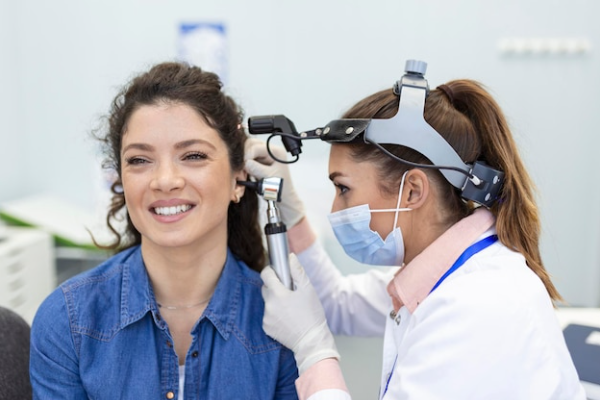
How a Hearing Test Works Step by Step Explanation
A hearing test is a simple and painless process that helps determine how well a person can hear sounds and understand speech. Many people feel nervous before their first test because they do not know what to expect. Understanding each step of the process makes it easier to feel comfortable and confident. Below is a clear, step-by-step explanation of how a professional hearing test works. 1. Initial Consultation and Hearing History The hearing test process begins with an initial consultation. During this step, the audiologist asks questions about your hearing concerns and overall health. You may be asked when you first noticed difficulty hearing, whether you experience ringing in the ears, dizziness, or ear pain, and if you are often exposed to loud noise. This information helps the specialist understand your condition and decide which tests are most appropriate. 2. Visual Ear Examination Before starting the main hearing test, the specialist examines your ears using a small instrument called an otoscope. This allows them to check the ear canal and eardrum for visible problems such as earwax buildup, infection, or blockage. Any physical issue in the ear can affect hearing results, so this step is important to ensure accurate testing. 3. Pure Tone Hearing Test One of the most important parts of a hearing test is pure tone audiometry. You are seated in a soundproof room and asked to wear headphones. Different tones at various volumes and pitches are played in each ear. Each time you hear a sound, you respond by pressing a button or raising your hand. This test measures the softest sounds you can hear and helps identify hearing loss at specific frequencies. 4. Speech Hearing Test After tone testing, a speech hearing test is conducted to evaluate how well you understand spoken words. You will listen to words or sentences at different volume levels and repeat them aloud. This step helps determine how hearing loss may affect daily communication, such as conversations with family, friends, or coworkers. 5. Middle Ear Function Test In some cases, the hearing test includes a middle ear function test. This test checks how well the eardrum and middle ear respond to changes in air pressure. It helps detect issues like fluid in the ear, eardrum stiffness, or problems with the middle ear bones. These conditions can cause hearing difficulties and may require medical treatment. 6. Results Discussion and Recommendations Once all testing is complete, the audiologist explains the results in detail. They show your audiogram and discuss whether your hearing is normal or if hearing loss is present. If needed, they may recommend solutions such as hearing aids, hearing protection, or follow-up care. This step helps you understand your hearing health and the next steps to improve it. Conclusion A hearing test is an essential tool for identifying hearing problems early and protecting long-term hearing health. By understanding how the process works step by step, you can feel more prepared and confident. Regular hearing tests can improve communication, quality of life, and overall well-being.

7 Things to Verify Before Booking an Appointment at an IVF Centre in Noida
Choosing an IVF centre is one of the most important decisions in a couple’s fertility journey. With the increasing number of fertility clinics offering advanced treatment options, selecting the right IVF centre in Noida requires careful research, medical understanding, and financial clarity. Noida has rapidly emerged as a preferred hub for assisted reproductive treatments. However, not every IVF clinic offers the same level of expertise, technology, transparency, or patient care. Before booking your first appointment, there are critical factors you must evaluate to ensure you are choosing the best IVF clinic in Noida for your specific needs. Below are seven essential things every couple should verify before starting IVF treatment. Doctor’s Experience and Specialization in Fertility Treatment The foundation of any successful IVF treatment lies in the expertise of the fertility specialist. IVF is not just a lab-based procedure; it requires careful hormonal management, precise timing, and individualized treatment protocols. Before booking an appointment at an IVF clinic in Noida, verify: The fertility specialist’s years of experience Number of IVF cycles handled Experience with complex cases (low AMH, PCOS, recurrent IVF failure, male infertility) Qualifications and medical certifications When searching for the best IVF doctor in Noida, focus on real clinical expertise rather than marketing claims. A skilled specialist ensures accurate diagnosis, proper medication dosage, and better embryo selection strategies all of which influence success rates. Reputed centres such as Little Angel IVF emphasize experienced fertility leadership combined with structured patient counselling to guide couples step by step. Success Rates – But Understand Them Correctly Success rate is one of the most commonly discussed factors when choosing an IVF centre in Noida. However, success rates can be misleading if not explained properly. You should verify: Age-wise success rate (under 30, 30–35, 35–40, 40+) Fresh embryo vs frozen embryo transfer success Live birth rate (not just pregnancy rate) Multiple cycle success probability Many clinics advertise high percentages without clarifying age groups or medical conditions. A transparent IVF clinic in Noida will clearly explain how your individual medical profile affects your chances. Rather than choosing the clinic claiming the highest success rate, choose one that provides realistic expectations based on evidence and medical evaluation. Laboratory Infrastructure and Technology Standards The quality of the embryology lab significantly affects IVF outcomes. Fertilization, embryo development, and preservation depend heavily on lab conditions. Before selecting an IVF centre in Noida, verify: Type of incubators used (time-lapse systems are preferred) Air quality control systems Availability of ICSI and advanced micromanipulation tools Cryopreservation facilities Advanced labs maintain stable temperature, humidity, and contamination-free environments. Even minor fluctuations can affect embryo development. Leading centres like Little Angel IVF invest in modern lab technology to ensure optimal embryo culture conditions, improving overall treatment quality. Transparency in IVF Cost Cost clarity is essential before beginning treatment. The IVF cost in Noida varies depending on diagnosis, medication requirements, and additional procedures. Before booking, ask for: Detailed written cost breakdown Medication charges separately listed Add-on procedure costs (ICSI, blastocyst culture, embryo freezing, PGT) Hidden charges policy Some clinics advertise low base prices but add multiple charges later. A trustworthy IVF clinic will provide complete financial transparency from the start. Understanding IVF cost helps couples plan financially and reduces stress during treatment. Personalised Treatment Approach Every infertility case is unique. A standardized IVF protocol may not deliver optimal results for everyone. Verify whether the IVF centre in Noida offers: Customized stimulation protocols Individual hormone monitoring Flexible cycle planning Case-specific embryo transfer strategies For example, patients with low ovarian reserve require a different approach than those with PCOS. Personalization increases efficiency and reduces unnecessary medication exposure. Centres like Little Angel IVF focus on tailored treatment plans rather than one-size-fits-all solutions. Counselling and Emotional Support System IVF is not just a medical procedure, it is emotionally demanding. Anxiety, stress, and uncertainty are common during the journey. Before choosing an IVF clinic in Noida, evaluate: Availability of patient counselling Clear communication during each stage Accessibility of doctors for queries Support during unsuccessful cycles A supportive environment helps couples remain emotionally stable and confident. Clinics that prioritize patient education often deliver better overall experiences. The best IVF centre in Noida will not rush patients into procedures but will guide them through informed decision-making. Location Accessibility and Follow-Up Convenience IVF treatment requires multiple visits within a short period. From hormone monitoring to egg retrieval and embryo transfer, timely visits are critical. Before finalizing your appointment, consider: Clinic proximity to your residence Appointment scheduling flexibility Emergency accessibility Follow-up consultation process Choosing an IVF centre in Noida that is easily accessible reduces logistical stress, especially during ovarian stimulation and post-transfer phases. Make an Informed Decision, Not an Emotional One Booking your first appointment at an IVF centre is a major step. Instead of choosing based on advertisements alone, verify clinical credibility, infrastructure, transparency, and emotional support. When selecting the best IVF centre in Noida, prioritize: Experienced fertility specialists Transparent IVF cost structure Advanced lab technology Personalized care plans Supportive patient communication Clinics like Little Angel IVF focus on structured evaluation, ethical practices, and patient clarity, ensuring couples begin their fertility journey with confidence rather than confusion. IVF is a journey of hope. Taking the time to verify these seven essential factors can make the difference between uncertainty and informed empowerment.

Top Benefits of Choosing Obamacare Health Care Plans
Health insurance is a vital element of insurance against unforeseen medical bills. In the United States, Obamacare health care plans, also formally recognized as the plans provided under the Affordable Care Act (ACA), have assisted millions of individuals in achieving access to affordable and dependable coverage. These plans make health care more affordable and inclusive. The understanding of these benefits can assist in making healthier and better choices about their future for families. 1. Affordable Coverage for More People Affordability is one of the best advantages of Obamacare health care plans. Subsidies and tax credits can be available to many people according to their income, which is a strong reduction in monthly premiums. This increases accessibility of health insurance to individuals, families, and small business owners who would be unable to afford coverage. With funds to be distributed, additional individuals will be able to get the treatment they require without fear of exorbitant expenses. 2. Coverage for Pre-Existing Conditions Until Obamacare, insurance companies could deny coverage or charge extra to individuals with health issues beforehand. ACA reforms altered this by compelling insurers to cover all persons irrespective of their health history. It implies that individuals with chronic conditions, past injuries, or medical conditions may receive the medical care they need without any form of discrimination. This coverage allows comfort and encourages equity within the health care system. 3. Essential Health Benefits Included Obamacare plans must provide a broad scope of much-needed health benefits. These are doctor visits, hospital stays, prescription drugs, maternity, mental health, preventive care, and so on. The inclusion of these services means people will receive holistic care rather than pay out of pocket for critical treatment. Preventive treatments, including vaccines and screenings, are usually provided at no additional expense and help individuals remain healthier in the long run. 4. Protection Against High Medical Costs The second important benefit of ACA health care plans is the cap on out-of-pocket costs. These plans limit the amount that you need to pay per year for covered services. When you hit this limit, the insurance will cover the rest of your eligible medical expenses. The insurance is particularly useful to people who contract severe diseases or suffer injuries because medical expenses would no longer be a nightmare. 5. Options for Individuals and Families The Obamacare health care plans have a range of coverage options to satisfy various needs and budgets. Individuals and families have the choice of the simplest plans that require lower premiums to more popular plans that offer them greater coverage. This allows the flexibility to identify a plan that suits health requirements and financial objectives. 6. Support for Preventive Care and Wellness Obamacare plans focus a lot on preventive care. Normal checkups, screenings, and vaccinations are usually free. This makes individuals pursue early treatment and adopt a healthier lifestyle. Preventive care will not only enhance quality of life but will also lead to reduced health care costs over the long run through the detection of problems even before they become severe.
5 Ways CPR Training Prepares You For Medical Emergencies
Medical emergencies can occur anywhere at any time. A sudden cardiac arrest, choking, or even breathing failure can cause the situation to become a matter of life or death. A timely positive response will preserve life in such situations. CPR education provides individuals with the knowledge, skills and confidence to adequately respond to emergency situations. Below are a few ways through which CPR training can prepare an individual for an emergency situation. 1. CPR training teaches you to recognize an Emergency Among the initial positive outcomes of CPR training is the ability to identify a medical emergency. CPR training provides you with the indicators of cardiac arrest, choking, and breathing issues. In addition, you get to know how to check the responsiveness, normal breathing and pulse. This is the ability to recognize a serious condition fast so that you can take action immediately. 2. Trains you to act immediately and correctly Emergency situations demand immediate response to save lives. CPR education provides the need to act in a fast way and remain calm when providing first aid. You are taught the proper sequence of actions, e.g. dialing an emergency, beginning chest compressions, and applying an AED etc. With these practice steps, you get muscle memory. This comes in handy when you need to react instinctively in real emergency situations. 3. Builds confidence to take action in case of emergency People are usually afraid of facilitating in times of an emergency due to self doubts. CPR training helps provide confidence as it teaches necessary steps in training. In addition, hands-on practice is involved to make individuals feel at ease doing CPR. This assurance promotes quick reaction and minimizes indecisiveness in actual emergency situations. 4. Prepares You to handle Breathing Emergencies CPR education involves rescue breathing and management of the airway. You get to know how to open the airway and deliver safe breaths where necessary. This kind of training is particularly beneficial in cases of drowning, choking or respiratory breakdown. Brain damage can be avoided in such cases when one knows how to support breathing. Immediate action leads to better recovery. 5. Empowers you to save lives Saving lives is the greatest asset of CPR training. Chances of survival in cardiac arrest can be doubled or even tripled by immediate CPR practice. Similarly, timely intervention in breathing failure scenarios can be treated to save lives. The feeling that you could do something helpful in emergency situations makes one feel very responsible and purposeful. In addition, CPR training transforms average citizens into competent citizens who are able to save lives within their society. Conclusion CPR training is one of the important skills in life which makes you ready in the case of a medical emergency. It inculcates confidence, helps in learning proper technique and makes you remain calm in medical emergency situations. Also, CPR training can teach you how to save lives with instant skills such as recognising an emergency situation to use an AED and other practical techniques to respond right away in critical moments.

How Orthodontic Professionals Can Help Teens and Adults Achieve a Straight Smile
A beautiful, straight smile can make a huge difference in a person’s confidence and overall oral health. Many people think that orthodontics is only for teenagers, but adults can also benefit greatly from professional orthodontic care. Orthodontic professionals, or orthodontists, are trained to correct misaligned teeth and jaw issues using a variety of treatments tailored to each individual. Whether it is a teen dealing with crooked teeth or an adult looking to improve their smile, orthodontic care offers solutions for all ages. Understanding the Role of an Orthodontist An orthodontist is a dental specialist who focuses on diagnosing, preventing, and treating teeth and jaw misalignment. Unlike a general dentist, an orthodontist receives additional training to handle complex cases involving teeth crowding, overbites, underbites, and other alignment issues. They use advanced techniques and tools to ensure that teeth move into the correct position safely and effectively. Visiting an orthodontist helps patients receive a personalized treatment plan that considers both functional and aesthetic needs. Orthodontics for Teens Teenagers are the most common group to seek orthodontic treatment. This is because their teeth and jaws are still developing, making it easier to guide the teeth into the right position. Teens often experience social pressures and self-consciousness about their smiles, and orthodontic care can improve their appearance while boosting confidence. Treatments for teens may include traditional metal braces, ceramic braces, or clear aligners. The orthodontist carefully monitors progress during regular visits to ensure the teeth are moving correctly and that the treatment plan is effective. Orthodontics for Adults Many adults assume that it is too late to straighten their teeth, but modern orthodontics has made it possible for people of all ages to achieve a beautiful smile. Adult patients may have concerns such as shifting teeth, bite problems, or long-term dental health issues that can be addressed through orthodontic treatment. Options like clear aligners, lingual braces, and other less visible appliances allow adults to improve their smiles discreetly. Orthodontists understand the unique challenges adults face and can customize treatments to fit busy lifestyles while maintaining comfort and effectiveness. Benefits of Orthodontic Treatment Orthodontic treatment goes beyond cosmetic improvements. Straight teeth are easier to clean, reducing the risk of cavities and gum disease. Properly aligned teeth also improve bite function, preventing strain on the jaw muscles and reducing the risk of headaches or jaw pain. Additionally, orthodontics can correct speech issues caused by misaligned teeth and improve overall oral health. For teens and adults alike, investing in orthodontic care can lead to long-term benefits that extend well beyond a straight smile. Choosing the Right Orthodontic Professional Finding a qualified orthodontist is crucial to achieving the best results. Patients should look for orthodontists who are certified and have experience treating a variety of cases. A good orthodontist will listen to the patient’s concerns, explain available treatment options, and provide clear guidance on what to expect throughout the process. Regular follow-up appointments and attentive care ensure that treatment progresses smoothly and that the results are both functional and aesthetically pleasing. Conclusion Orthodontics offers effective solutions for both teens and adults who want to achieve a straight, healthy smile. An experienced orthodontist can provide personalized treatment plans that address dental alignment, bite issues, and overall oral health. Whether it is traditional braces or modern clear aligners, orthodontic care can improve confidence, functionality, and long-term dental well-being. By seeking professional guidance, anyone can take the first step toward a smile they feel proud to show.

Stress, Nerves, and Balance: The Hidden Power of Vagus Nerve Stimulation
Modern life places the human nervous system under constant pressure. Chronic stress, poor sleep, anxiety, and inflammation are no longer rare conditions but common health challenges. At the center of how the body responds to these stressors lies a powerful yet often overlooked structure: the vagus nerve. Emerging research shows that improving vagal function through vagus nerve stimulation device can significantly support nervous system balance, resilience, and overall well-being. Understanding the Vagus Nerve and Its Role in the Body The vagus nerve is the longest cranial nerve in the human body, extending from the brainstem through the neck to the heart, lungs, and digestive system. It is a core component of the parasympathetic nervous system, responsible for the body’s “rest and digest” response. When the vagus nerve is functioning optimally, it helps regulate heart rate, digestion, mood, immune response, and inflammation. However, chronic stress, poor posture, trauma, or inflammation can impair vagal signaling, leading to nervous system dysregulation. Stress, Anxiety, and Vagal Dysfunction Under prolonged stress, the sympathetic nervous system becomes dominant, keeping the body in a persistent “fight or flight” state. This suppresses vagal activity and reduces heart rate variability (HRV), a key biomarker of nervous system health. Low vagal tone has been linked to: Anxiety and depression Digestive disorders Chronic inflammation Sleep disturbances Cardiovascular strain One common but under-recognized issue is a Pinched Vagus Nerve in the Neck, which may occur due to muscle tension, cervical spine misalignment, or poor posture. This can disrupt communication between the brain and vital organs, intensifying stress-related symptoms. What Is Vagus Nerve Stimulation? Vagus nerve stimulation (VNS) is a therapeutic approach designed to activate vagal pathways and restore parasympathetic balance. Traditionally, VNS was used in clinical settings through implanted devices for conditions such as epilepsy and treatment-resistant depression. Today, advancements in neuroscience have led to non-invasive vagus nerve stimulation (nVNS), making this powerful technique accessible for everyday wellness and stress management. The Science Behind Non-Invasive Vagus Nerve Stimulation Non-invasive vagus nerve stimulation works by delivering gentle electrical impulses to areas where vagal branches are close to the skin—particularly the auricular (ear) branch of the vagus nerve. These signals travel to the brainstem, influencing autonomic regulation, neurotransmitter release, and inflammatory pathways. Clinical studies suggest that regular stimulation can: Improve heart rate variability Reduce cortisol levels Enhance emotional regulation Support recovery from stress Improve sleep quality This makes nVNS a promising tool for individuals seeking drug-free nervous system support. Nurosym: A Clinical-Grade Approach to Nervous System Balance One of the most advanced solutions in this field is Nurosym, a non-invasive vagus nerve stimulation device designed to support nervous system balance in everyday life. Rather than using medication or invasive procedures, Nurosym delivers gentle electrical stimulation through the ear, activating vagal pathways linked to relaxation and recovery. This targeted approach aligns with clinical research on auricular vagus nerve stimulation and is designed for consistent, at-home use. How Nurosym Supports Wellness Nurosym is engineered to integrate seamlessly into daily routines while promoting physiological calm. Its benefits include: Supporting parasympathetic activation Enhancing stress resilience Improving sleep and recovery Promoting emotional regulation Assisting autonomic balance Unlike traditional interventions, Nurosym offers a non-pharmaceutical, non-surgical option for individuals seeking long-term nervous system health. Addressing Neck Tension and Vagal Pathways For individuals experiencing symptoms related to a Pinched Vagus Nerve in the Neck, addressing mechanical stress alongside neural stimulation is essential. While posture correction, physiotherapy, and gentle mobility work can relieve compression, vagus nerve stimulation can help restore signaling efficiency and autonomic balance. When combined, these approaches support both the structural and neurological aspects of vagal health. The Role of Vagus Nerve Stimulation Devices in Preventive Health The growing interest in preventive and integrative medicine has placed tools like a vagus nerve stimulation device at the forefront of nervous system care. By improving vagal tone before chronic conditions develop, individuals can enhance resilience against stress-related disorders. As scientific understanding of the gut-brain axis, inflammation, and autonomic regulation deepens, vagus nerve stimulation is increasingly recognized as a foundational wellness strategy rather than a last-resort treatment. A New Perspective on Stress and Recovery Stress is not merely a mental experience—it is a physiological state shaped by neural pathways. Supporting the vagus nerve offers a direct route to influencing how the body responds to life’s demands. With non-invasive solutions like Nurosym, vagus nerve stimulation is no longer limited to clinical settings. Instead, it represents a science-backed, accessible approach to restoring balance, promoting recovery, and supporting long-term nervous system health.