

Surgical procedures today demand speed, precision, and reliability to ensure optimal patient outcomes. One of the most significant advancements supporting these goals is the Surgical Stapler, a tool designed to close wounds, reconnect tissue, and create secure anastomoses efficiently. At the same time, Surgical Stapling Devices represent a broader category of instruments developed to meet the diverse needs of surgeons across multiple specialties. These technologies have become an integral part of modern operating rooms, especially in minimally invasive and complex surgical procedures. This article explores the role, benefits, applications, and technological advancements of surgical stapling systems in contemporary healthcare. Understanding the Surgical Stapler A Surgical Stapler is a medical instrument used to deliver rows of metal or absorbable staples to close incisions, seal tissue, or connect organs. Unlike traditional suturing, stapling offers consistent closure strength and reduces operative time. Key Functions Closing skin incisions Creating anastomoses in gastrointestinal surgery Sealing lung tissue in thoracic procedures Reducing bleeding at tissue junctions Supporting minimally invasive techniques The precision and consistency provided by surgical staplers have made them essential in both open and laparoscopic surgeries. Types of Surgical Staplers Surgical staplers are available in various designs, each tailored to specific clinical needs. Linear Staplers Deliver straight rows of staples Commonly used in gastrointestinal and bariatric surgery Ideal for tissue transection and sealing Circular Staplers Create circular anastomoses Frequently used in colorectal and esophageal procedures Ensure uniform staple formation Skin Staplers Designed for external wound closure Provide fast and secure skin approximation Common in trauma and general surgery Powered Staplers Use motorized firing mechanisms Improve consistency and reduce hand fatigue Enhance precision in complex procedures Overview of Surgical Stapling Devices Surgical Stapling Devices encompass a wide range of staplers, reloads, and accessories used throughout surgical procedures. These devices are engineered to improve workflow efficiency and deliver reliable tissue closure across varying tissue thicknesses. Components of Surgical Stapling Devices Handheld stapler units Reload cartridges with different staple heights Powered or manual firing mechanisms Articulation features for enhanced access Disposable and reusable configurations Together, these components support safe and effective tissue management during surgery. Clinical Applications Across Surgical Specialties Surgical stapling devices are widely used across multiple disciplines due to their versatility. General Surgery Bowel resections Hernia repairs Appendectomy procedures Colorectal Surgery Low anterior resection (LAR) Anastomotic creation Rectal and pelvic procedures Thoracic Surgery Lung resections Bronchial closures Video-assisted thoracoscopic surgery (VATS) Bariatric Surgery Sleeve gastrectomy Gastric bypass Staple line reinforcement Gynecologic Surgery Hysterectomy Pelvic tissue transection Minimally invasive procedures These applications demonstrate the critical role of stapling technology in modern surgery. Advantages of Using Surgical Staplers The widespread adoption of surgical staplers is driven by their numerous benefits. Key Benefits Speed – Faster tissue closure compared to suturing Consistency – Uniform staple formation improves reliability Reduced Blood Loss – Secure tissue approximation enhances hemostasis Improved Ergonomics – Reduces surgeon fatigue Minimally Invasive Support – Ideal for laparoscopic and robotic surgery These advantages contribute to improved procedural efficiency and patient outcomes. Role in Minimally Invasive Surgery Minimally invasive techniques require tools that can operate effectively in confined spaces. Surgical stapling devices are specifically designed to meet these challenges. Articulating heads allow access to difficult angles Slim profiles fit through trocars Precise staple placement reduces tissue trauma Faster procedures support quicker patient recovery Stapling technology plays a vital role in the continued growth of minimally invasive and robotic-assisted surgery. Safety and Reliability Considerations Modern surgical stapling devices are designed with safety as a top priority. Safety Features Controlled firing mechanisms Feedback systems for tissue compression Staple height selection based on tissue thickness Lockout mechanisms to prevent misfiring These features reduce the risk of complications such as leaks, bleeding, or incomplete tissue closure. Materials and Design Innovations Advancements in materials science have enhanced stapler performance. Titanium Staples – Strong, biocompatible, and corrosion-resistant Absorbable Staples – Reduce long-term foreign material presence Enhanced Cartridge Design – Ensures consistent staple formation Ergonomic Handles – Improve control and comfort Design innovations continue to improve the reliability and usability of surgical staplers. Regulatory and Quality Standards Surgical stapling devices must comply with strict international standards to ensure patient safety. ISO 13485 – Medical device quality management FDA 21 CFR Part 820 – U.S. regulatory requirements CE Marking – European conformity ISO 14971 – Risk management and safety assessment Compliance with these standards ensures consistent performance and clinical trust. Best Practices for Effective Use To achieve optimal results with surgical staplers, best practices include: Proper selection of stapler type and cartridge Understanding tissue thickness and compression Adequate training and hands-on experience Routine inspection of devices before use Following manufacturer instructions precisely Adherence to these practices minimizes complications and enhances outcomes. Key Takeaways Surgical Stapler technology enables fast, reliable tissue closure and anastomosis Surgical Stapling Devices provide a complete system for diverse surgical needs Stapling solutions improve efficiency, safety, and consistency These tools are essential in open, laparoscopic, and robotic surgery Conclusion Stapling technology has transformed modern surgical practice. The Surgical Stapler offers surgeons a reliable tool for precise tissue closure, while Surgical Stapling Devices provide a comprehensive range of solutions tailored to various procedures and specialties. By improving speed, consistency, and safety, these devices enhance surgical outcomes and support the growing demand for minimally invasive techniques. As technology continues to advance, surgical stapling systems will remain a cornerstone of efficient and effective operative care.

How to Choose the Right Care Solutions for Aging Loved Ones?
Emergency preparedness is part of a house that is well-planned. Collect a survival kit comprising the most necessary items, which include water, food, and first aid. Know the locations of water and gas supply. Train the family on how to act when there is a leakage or power cut. The aspect of planning will reduce the stress and make your home work well whenever there are any unplanned situations. Understand the Needs of Your Loved One All elders have different needs. Others need assistance in performing their daily activities, and there are those who require medical assistance. Physical health, memory, and mobility are to be taken into consideration. There is also an emotional well-being. Identify procedures and restraints by just taking time. Communicate freely with the beloved one regarding likes and dislikes. The initial step towards accepting the appropriate choice of care is understanding their needs. Explore Assisted Living Placement Services Assisted living placement services can be of great help when withholding autonomy poses a challenge. Through these services, families are assisted in seeking appropriate living communities that are dependent on care requirements and personal lifestyles. They evaluate alternatives and describe the levels of support. This saves time, and confusion is minimized. Reliable help available professionally makes the decision taken by the family to be sure, and the loved one to be taken care of safely and comfortably. The Important Role of a Caregiver Assisted living placement services can be of great help when withholding autonomy poses a challenge. Through these services, families are assisted in seeking appropriate living communities that are dependent on the caregiver and personal lifestyles. They evaluate alternatives and describe the levels of support. This saves time, and confusion is minimized. Reliable help available professionally makes the decision taken by the family to be sure, and the loved one to be taken care of safely and comfortably. Consider Location and Daily Living Comfort Place has significance in the decision-making in elder care. The proximity of relatives facilitates the increased frequency and ease of visits. It is also important to access medical facilities. Comforts of everyday life involve food, socialization, and personal space. An easy atmosphere promotes self-reliance and well-being. The assessment of these factors assists the families in selecting those care options that appear to be a home. Balance Cost With Quality of Care One of the considerations in planning senior care is the budget. Prices may differ in terms of services and destination. One should find out what comes within every option. There are certain services that have flexible plans that suit the needs with change. Further complications can also be avoided by investing in quality care. It is a matter of affordability and making sure that the seniors and their families are assured of long-term peace. Plan and Stay Involved Anticipating it simplifies the process of transitioning care. The decision may be constrained by the need to wait until an emergency happens. Proper planning at an early age helps families to look into alternatives in a peaceful setting. It is also important to persist on the part of the person after the care has been provided. The caregivers and service providers should communicate regularly to ensure that the needs are met.
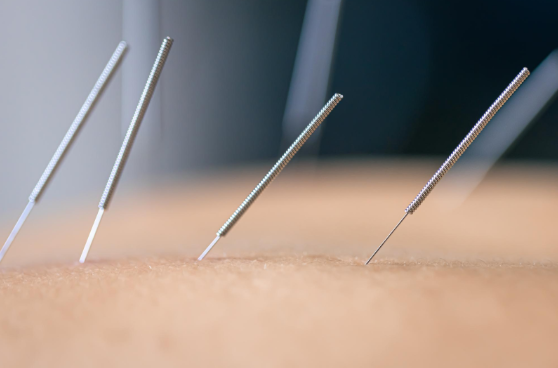
How Does Dry Needling Therapy Help Reduce Muscle Tension?
The unemployment of muscles is a typical issue. It may be caused by stress, bad posture, trauma, or sitting. Spasms cause restriction in movement and result in pain on a daily basis. Most individuals seek remedies that give them bodily relief. Dry needling therapy is one of the effective ones. It works directly on the tight muscle parts and makes the body relax and restore itself. Understanding Muscle Tension and Its Causes Muscle tension occurs when the muscles remain contracted with high duration of time. This has the ability to decrease blood circulation and form painful knots. These strains can be referred to as trigger points. They can create types of soreness and stiffness. In some cases, they even cause pain to other body parts. Daily habits play a big role. Long sitting and repetitive actions, and stress are some of the contributors. Tight muscles can also be caused by injuries and overuse in the course of exercising. Tension may accumulate over the long run without appropriate treatment, which would restrict movement. Benefits for Pain Relief and Movement Dry needling therapy has a number of advantages. It will decrease the pain associated with tight muscles. It improves the range of motion. In several sessions, most individuals observe that they move comfortably. This therapy is usually used by athletes to heal easily. Office workers also have the advantage, particularly those who experience tension in the neck and shoulders. It also supplements other forms of treatment, such as stretching and physical therapy. With relaxation of muscles, exercises are made more effective. What Dry Needling Therapy Involves Dry needling treatment involves exceptionally slim needles. These needles are inserted into the crevices of muscles. The goal is not medication. The needle is also a stimulus to the muscle. This assists in the release of the knot and flow of blood. The operation is accurate and regulated. An experienced practitioner will strike at certain trigger points. Most sessions are short. The patients can experience brief twitching or pressure. This response demonstrates the following of the muscle. The majority of individuals are relieved shortly after treatment. How Dry Needling Therapy Reduces Muscle Tightness Once the needle has been inserted into a small muscle, a small response will be ensured. Blood circulation is augmented and results in relaxation of the muscle. This will help in the elimination of stored stress and waste. The oxygen gets into the location in a more convenient state. There is also the nervous system response. Pain signals are reduced. The muscles begin to reset, and they are relieved. This will lead to softening and, consequently, more flexibility. The therapy of dry needling does not dull symptoms but is aggressive in nature and targets the target. What to Expect During and After Treatment A session is normally introduced by a short assessment. The therapist establishes areas of problem. Needles are very cautiously placed and have to be left temporarily for a short duration. The quantity of needles varies depending on the condition of the muscle. Mild forms of soreness may appear after treatment. This is almost like the post-workout pain. It usually fades within a day. Sufficient water consumption and light stretching are helpful. Most individuals report improved sleep and a decreased level of tightness in the near future.

Finding the Right Fit: Understanding Various Therapeutic Approaches
Choosing the right therapeutic approach can significantly impact an individual’s mental, emotional, and spiritual well-being. With a wide array of therapy types available, understanding the differences between them can help individuals make informed decisions that align with their personal needs and values. While therapy is a deeply personal experience, the goal remains the same: to support growth, healing, and improved quality of life. This article explores various therapeutic approaches, including Christian therapists, individual counseling, and other methods that may suit diverse preferences. Christian Therapists: Integrating Faith and Therapy Christian therapists offer a unique approach by combining psychological principles with spiritual guidance. Christian therapists aim to help clients navigate life challenges while incorporating faith-based perspectives and biblical principles. This approach can be particularly beneficial for individuals seeking counseling that resonates with their spiritual beliefs, offering guidance that supports both mental health and spiritual growth. By addressing emotional struggles alongside spiritual concerns, Christian therapists provide a holistic framework for healing and personal development. Individual Counseling: Personalized Support for Emotional Growth Individual counseling focuses on one-on-one sessions tailored to a person’s specific needs, concerns, and goals. Individual counseling allows clients to explore their thoughts and emotions in a safe and confidential environment, receiving focused attention from a trained professional. This therapeutic approach is highly adaptable, accommodating a wide range of issues, from stress and anxiety to relationship difficulties and life transitions. Through personalized strategies and supportive dialogue, individual counseling empowers clients to develop self-awareness, coping skills, and actionable solutions to improve their overall well-being. Cognitive Behavioral Therapy: Changing Patterns of Thought Cognitive Behavioral Therapy (CBT) is a widely recognized evidence-based approach that helps individuals identify and change negative thought patterns. By understanding the connection between thoughts, feelings, and behaviors, clients learn to reframe unhelpful thinking and develop healthier coping mechanisms. CBT is highly structured and goal-oriented, making it effective for managing anxiety, depression, phobias, and other mental health challenges. Therapists guide clients through practical exercises and strategies that can be applied in daily life, fostering long-term positive change. Group Therapy: Healing Through Shared Experiences Group therapy provides a communal environment where individuals facing similar challenges can share their experiences and support one another. Group therapy encourages empathy, social connection, and perspective-taking, allowing participants to gain insights from others while building a sense of belonging. This approach is often used to address issues such as addiction, grief, or chronic stress, where peer support enhances the therapeutic process. Guided by a skilled therapist, group sessions create a balance between individual reflection and collective interaction, promoting both personal and relational growth. Family and Couples Therapy: Strengthening Relationships Family and couples therapy focuses on improving communication, resolving conflicts, and fostering healthy dynamics within relationships. By examining patterns of interaction and understanding emotional needs, these approaches help families and couples navigate challenges together. Therapists work collaboratively with all parties involved to identify areas of tension and implement strategies that encourage understanding, compromise, and emotional connection. This form of therapy is particularly effective for addressing relational issues that affect mental and emotional health, providing a structured environment to rebuild trust and strengthen bonds. Alternative and Complementary Therapies Beyond traditional therapy methods, alternative and complementary approaches offer additional ways to support mental health and well-being. Techniques such as art therapy, music therapy, mindfulness-based practices, and somatic therapies provide creative and holistic avenues for self-expression and emotional processing. These approaches are often used alongside conventional therapies to enhance overall treatment outcomes, addressing the mind, body, and spirit. Clients may choose these methods to explore personal growth in innovative and non-traditional ways, depending on their preferences and needs. Conclusion Finding the right therapeutic approach is a personal journey that requires understanding the available options and considering individual goals, values, and circumstances. Whether seeking guidance from Christian therapists, exploring individual counseling, or engaging in cognitive, group, or family therapies, the key is to identify a method that aligns with personal needs. Complementary therapies can further enhance the process, offering creative and holistic support. Ultimately, therapy is most effective when it fosters a safe, supportive environment that encourages self-discovery, healing, and meaningful growth.

5 Simple Ways To Improve Your Appearance
Looking your best does not always mean spending hours in front of the mirror or buying expensive products. Small, simple changes can make a big difference in how you look and feel. Improving your appearance is not just about vanity; it can also boost your confidence and help you feel happier in your daily life. In this article, we will explore five easy ways you can enhance your appearance naturally and safely. Take Care of Your Skin Healthy skin forms the foundation of a great appearance. Washing your face twice a day, using a gentle moisturizer, and protecting your skin from the sun can make your skin glow and reduce signs of aging. Drinking plenty of water and eating fruits and vegetables rich in vitamins can also improve your skin from the inside. When your skin looks fresh and hydrated, it gives you a vibrant and youthful appearance that does not need makeup to shine. Consider HydraFacial For those looking for professional treatment to improve their skin, hydrafacials are an excellent option. This treatment cleanses, exfoliates, and hydrates your skin in one session. HydraFacial can help reduce acne, fine lines, and dark spots while leaving your skin soft and glowing. Many people notice a visible improvement after just one session. If you want a quick way to refresh your skin and feel confident, HydraFacial can be a great choice. Keep Your Hair Healthy Your hair plays a huge role in how others perceive you. Regular haircuts, conditioning treatments, and protecting your hair from excessive heat can make a noticeable difference. Healthy, shiny hair adds an attractive frame to your face. Even small steps, like using a mild shampoo and brushing your hair gently, can prevent damage and keep your hair looking natural and vibrant. Changing your hairstyle occasionally can also update your overall look without much effort. Think About Botox For people who want to reduce the appearance of wrinkles or fine lines, botox can be an option to consider. Botox works by relaxing the muscles that cause wrinkles, creating a smoother and more youthful appearance. Many people use it to improve their forehead lines, crow’s feet, or frown lines. When done by a professional, boot is safe and provides subtle results that enhance your natural beauty without making your face look unnatural. Dress Smartly and Confidently Clothing can have a powerful effect on how you look and feel. Wearing clothes that fit well and suit your body shape can enhance your overall appearance instantly. You do not need a large wardrobe or expensive brands; simple, clean, and well-fitted clothes can make you look polished and confident. Matching your outfits with appropriate accessories and shoes can also complete your look. Dressing with confidence shows others that you value yourself, which is always attractive. Conclusion Improving your appearance does not have to be complicated or expensive. Simple steps like taking care of your skin, considering professional treatments, maintaining healthy hair, and dressing smartly can make a big difference. These small changes can boost your confidence and help you present your best self every day. Remember, feeling good about how you look is just as important as looking good, and taking care of yourself is always worth the effort.

Why craftsmanship-focused brands earn lasting loyalty
In a marketplace filled with fast production and disposable goods, many consumers are returning to brands that prioritize true craft. People who value meaningful purchases often look for depth, intention and quality. This is where craftsmanship-centered brands stand out. In this article, you will find a detailed exploration of why customers feel a deeper connection to these brands and why their loyalty remains strong. To learn more, click here and continue reading below for a full breakdown of the factors that build this lasting commitment. Craftsmanship-focused brands create emotional resonance because their products carry a sense of purpose. Consumers increasingly want to understand the story behind what they buy. When they can see the skill, human effort and time invested in a product, it becomes more than an item. It becomes something worth appreciating and holding onto. This type of connection cannot be replicated by mass-produced goods. When buyers feel aligned with a brand’s philosophy and dedication, loyalty builds naturally. One of the strongest reasons these brands retain loyal customers is the reliability of their products. High-quality craftsmanship typically translates into durability. When people invest in well-made goods, they experience long-term value. They do not have to constantly replace items, and they develop trust in the brand that provided them. Over time, this reliability becomes part of the brand identity. Shoppers remember how long the product lasted, how well it performed and how it made them feel that their money was used wisely. Another factor that sets craftsmanship-focused brands apart is transparency. Many of these companies are open about the materials they use and the production process behind each product. When customers understand what goes into making something, they feel more confident about their purchase. This transparency also encourages ethical practices. Brands that proudly highlight their production methods usually emphasize fair labor, sustainable sourcing and responsible manufacturing. For buyers who prioritize conscious consumption, this clarity builds deep trust. Craftsmanship also reflects authenticity. Authentic brands are extremely appealing in an era where marketing messages often feel exaggerated or impersonal. When a brand demonstrates genuine skill and commitment, customers recognize it. They appreciate the honesty and straightforwardness that comes with handcrafted or carefully produced goods. This authenticity contributes to a stronger emotional relationship between the buyer and the brand. Customer experience plays a large role as well. Craftsmanship-driven brands usually offer more personalized attention, thoughtful details and consistent quality checks. This level of care extends beyond the product itself. It often appears in packaging, customer service and brand storytelling. When shoppers feel valued and understood, they return again. They also share their experience with others, which fuels organic growth and positive reputation. Furthermore, craftsmanship-focused brands encourage a sense of pride in ownership. Having something made with intention and skill allows customers to feel part of something meaningful. They may even develop a sense of belonging to a community of individuals who appreciate similar values. This shared admiration enhances loyalty because it connects people not only to the product but to a broader mindset. Ultimately, lasting loyalty stems from a brand’s ability to offer more than surface-level benefits. Craftsmanship-focused companies succeed because they combine quality, ethics, authenticity and human connection. They give people reasons to return and reasons to feel good about their choices. As consumers continue to seek items that enrich their lives rather than clutter them, brands that honor true craft will continue to earn strong, enduring loyalty.

How an OBGYN Board Review Supports Lifelong Learning in Women’s Health
Continuing education is essential in the medical field, especially for specialists in women’s health. Obstetricians and gynecologists (OBGYNs) face constant advancements in medical research, new technologies, and evolving guidelines. One effective way for OBGYNs to maintain and expand their expertise is through an OBGYN board review. This structured learning process helps medical professionals stay current, improve patient care, and reinforce their commitment to lifelong learning. Understanding the OBGYN Board Review An OBGYN board review is a comprehensive program designed to prepare physicians for board certification or recertification. It covers a wide range of topics, including obstetrics, gynecology, reproductive endocrinology, and preventive care. These reviews are not only intended for exam preparation but also serve as a valuable tool for enhancing professional knowledge. Through in-depth study and assessment, OBGYNs can identify gaps in their understanding and strengthen their expertise in critical areas of women’s health. Enhancing Clinical Knowledge Participating in an OBGYN board review helps physicians deepen their clinical knowledge. The review sessions often include case studies, scenario-based questions, and interactive discussions. These elements encourage critical thinking and practical application of medical knowledge. By engaging with real-world examples, OBGYNs can better understand complex conditions, treatment options, and decision-making processes. This continuous learning ensures that they are well-equipped to provide the most effective and up-to-date care for their patients. Staying Updated with Medical Advancements The field of women’s health is constantly evolving. New research findings, updated clinical guidelines, and innovative treatment approaches require physicians to stay informed. An OBGYN board review provides a structured approach to keeping current with these advancements. It offers updated information on best practices, emerging technologies, and recent clinical studies. By integrating this knowledge into daily practice, OBGYNs can ensure that their care reflects the latest standards in women’s health. Boosting Professional Confidence Regular participation in an OBGYN board review also builds professional confidence. Preparing for exams and engaging with challenging material reinforces a physician’s ability to manage complex medical situations. This confidence extends to patient interactions, allowing OBGYNs to communicate treatment options clearly and make informed decisions. Confidence in clinical skills contributes to better patient outcomes and enhances trust between the physician and the patient. Supporting Lifelong Learning Lifelong learning is a cornerstone of medical practice. An OBGYN board review encourages ongoing education, ensuring that physicians do not rely solely on past training. It promotes a mindset of continuous improvement, motivating OBGYNs to seek new knowledge, refine skills, and adopt innovative practices. This commitment to learning not only benefits the physicians but also positively impacts the overall quality of care in women’s health. Encouraging Peer Collaboration OBGYN board review sessions often provide opportunities for interaction with colleagues. Engaging with peers allows for knowledge sharing, discussion of challenging cases, and exposure to different perspectives. Collaborative learning enhances understanding and fosters a professional community dedicated to excellence in women’s health. This network can also serve as a support system, offering guidance and advice throughout a physician’s career. Conclusion An OBGYN board review is more than just an exam preparation tool; it is a vital component of lifelong learning in women’s health. By enhancing clinical knowledge, keeping physicians updated with medical advancements, building professional confidence, and fostering collaboration, these reviews ensure that OBGYNs continue to provide high-quality care. For physicians committed to excellence and continuous growth, participating in an OBGYN board review is an investment in their professional development and, ultimately, the health and well-being of their patients.

Discover the Best Local Med Spas for Rejuvenation and Wellness
For those seeking professional skin care, anti-aging treatments, and overall wellness, exploring Local Med Spas provides access to high-quality services designed to enhance beauty and confidence. Local Med Spas offer a wide range of non-surgical cosmetic treatments, including facials, laser therapies, injectables, microneedling, and body contouring. By choosing a Local Med Spa nearby, clients can enjoy personalized care from licensed professionals who tailor treatments to meet individual needs and goals. These facilities combine advanced technology, medical expertise, and a relaxing environment to deliver safe and effective results for skin rejuvenation and wellness. Local Med Spas are ideal for individuals looking to address common skin concerns such as fine lines, wrinkles, acne, pigmentation, and uneven texture. Treatments are designed to stimulate collagen production, improve skin elasticity, and enhance overall complexion. Licensed providers perform thorough consultations to evaluate skin type, identify problem areas, and recommend customized treatment plans. This personalized approach ensures that each client receives the care and attention needed to achieve optimal results while promoting healthy, radiant skin. One of the primary advantages of Local Med Spas is the combination of medical expertise and aesthetic services. Unlike traditional spas, Local Med Spas employ trained medical professionals who can safely administer treatments that require precision and technical knowledge. Services such as Botox, dermal fillers, chemical peels, and laser treatments are performed under professional supervision, ensuring both safety and effectiveness. Clients benefit from professional guidance and advanced procedures that enhance natural beauty without invasive surgery. Local Med Spas also focus on non-invasive and minimally invasive treatments that provide noticeable improvements with little to no downtime. Procedures like laser skin resurfacing, microneedling, and radiofrequency therapy stimulate skin rejuvenation while minimizing discomfort and recovery time. These treatments allow clients to maintain their daily routines while achieving visible improvements in skin tone, texture, and firmness. The convenience of non-invasive procedures makes Local Med Spas an attractive option for those seeking professional care without extended interruptions to their lifestyle. Body contouring is another popular service offered at Local Med Spas. Treatments such as CoolSculpting, ultrasound fat reduction, and laser-assisted contouring help clients reduce stubborn fat, tone problem areas, and enhance body shape. These non-surgical procedures are designed to target specific areas safely and effectively, creating a sculpted and balanced appearance. By combining skin rejuvenation with body contouring, Local Med Spas provide comprehensive aesthetic solutions that address multiple aspects of beauty and wellness. The ambiance and client experience at Local Med Spas are carefully curated to provide comfort and relaxation. Modern facilities often feature soothing interiors, calming music, and a welcoming environment that reduces stress and enhances the overall treatment experience. The combination of professional care and a relaxing atmosphere makes visits to Local Med Spas enjoyable and rejuvenating, allowing clients to focus on self-care and personal wellness. Local Med Spas prioritize client education and long-term results. Professionals provide guidance on skincare routines, healthy lifestyle habits, and maintenance treatments to ensure that the benefits of in-office procedures last over time. Clients learn how to protect and care for their skin, which complements the effects of treatments and promotes overall wellness. This educational approach empowers clients to take an active role in maintaining their appearance and achieving lasting results. Many Local Med Spas also offer wellness services that complement aesthetic treatments. These may include nutritional counseling, hormone therapy, IV vitamin therapy, and stress management programs. By addressing overall health and wellness, Local Med Spas support not only aesthetic improvements but also enhanced energy levels, vitality, and quality of life. Integrating wellness services with cosmetic treatments provides a holistic approach to beauty and self-care. Safety and professionalism are key factors when choosing Local Med Spas. Licensed providers adhere to strict hygiene protocols and follow medical guidelines to ensure client safety. Non-invasive treatments are performed with precision, and medical oversight minimizes the risk of complications. Clients can feel confident that they are receiving high-quality care in a safe environment, which is particularly important when considering medical-grade cosmetic procedures. Cost and accessibility are also important considerations when exploring Local Med Spas. Prices vary depending on the type of treatment, the expertise of the provider, and the complexity of procedures. Many spas offer membership programs, packages, and promotions to make treatments more affordable and accessible. Investing in a Local Med Spa ensures professional care, personalized treatments, and lasting results that provide excellent value compared to unmonitored or DIY solutions. Local Med Spas also emphasize convenience for busy clients. Many locations provide flexible scheduling, online booking, and consultations to accommodate work and personal commitments. Continuous support through follow-up appointments, progress monitoring, and personalized advice ensures that clients achieve optimal results efficiently. Access to professional care nearby makes it easier to commit to treatments and maintain long-term skin health and wellness goals. In conclusion, Local Med Spas offer a comprehensive, safe, and professional approach to skin care, aesthetic enhancement, and overall wellness. With personalized treatment plans, advanced technologies, non-invasive procedures, and a relaxing environment, these facilities provide clients with the tools and expertise needed to achieve radiant, youthful, and healthy skin. By choosing a Local Med Spa nearby, individuals gain access to expert guidance, tailored treatments, and a holistic approach that enhances both appearance and well-being. Local Med Spas combine medical precision, aesthetic expertise, and wellness support to deliver transformative results that boost confidence and promote long-term self-care.

Discover the Best Local Med Spas for Your Beauty and Wellness Needs
In today’s fast-paced world, self-care is no longer a luxury—it’s a necessity. Whether you’re looking to rejuvenate your skin, reduce signs of aging, sculpt your body, or simply unwind from daily stress, medical spas have become the go-to destinations for advanced beauty and wellness solutions. If you’ve been searching for local med spas that offer both medical expertise and spa-like relaxation, you’re already on the right path to elevating your personal care routine. Local med spas provide a unique blend of cosmetic treatments and wellness therapies, combining the tranquility of a traditional spa with the innovation of medical-grade procedures. Let’s explore what makes these local establishments so popular, what treatments they offer, and how to choose the best one for your needs. What Are Med Spas? Medical spas—or med spas—are hybrid clinics that operate under the supervision of licensed medical professionals, such as doctors, nurse practitioners, or physician assistants. Unlike standard day spas, local med spas offer treatments that are more advanced and often require medical oversight. From non-surgical facelifts and body sculpting to hormone therapy and skin rejuvenation, med spas bridge the gap between clinical skincare and luxury self-care. These facilities allow clients to achieve their cosmetic and wellness goals with minimal downtime, cutting-edge technology, and expert support. Why Choose Local Med Spas? Searching for “local med spas” gives you access to convenient, community-based options that prioritize your comfort and care. Here’s why choosing a med spa nearby is a smart move: 1. Convenience and Accessibility Having a med spa nearby means you can easily schedule regular treatments without long commutes. Whether you’re planning a quick lunchtime appointment or a full day of pampering, local med spas provide flexibility that fits into your lifestyle. 2. Personalized Attention Local providers often have a more intimate, client-focused approach. You’re not just a number—they take time to get to know your skin type, body goals, health history, and lifestyle to deliver the best results. 3. Continued Support When you choose a nearby med spa, follow-up appointments, check-ins, and maintenance treatments become easier to manage. You’re more likely to stay consistent with your care plan, which improves your long-term results. Popular Treatments Offered at Local Med Spas Modern local med spas offer a wide array of treatments designed to enhance your appearance, boost your confidence, and improve your well-being. Here are some of the most common services available: 1. Injectables (Botox and Dermal Fillers) Injectables like Botox and dermal fillers are popular for reducing fine lines, wrinkles, and volume loss. These treatments provide a non-surgical solution to signs of aging, often with results visible within days. 2. Laser Hair Removal Say goodbye to razors and waxing. Laser hair removal is a safe and effective way to permanently reduce unwanted hair from virtually any part of the body. 3. Facials and Skin Rejuvenation Medical-grade facials, chemical peels, microdermabrasion, and microneedling can dramatically improve skin tone, texture, and clarity. Many local med spas also offer advanced skin therapies like PRP (platelet-rich plasma) and RF microneedling. 4. Body Contouring and Sculpting Treatments like CoolSculpting, Emsculpt, and radiofrequency body contouring are non-invasive ways to reduce stubborn fat, tone muscles, and tighten loose skin. 5. Hormone and Wellness Therapies Some med spas also focus on inner wellness by offering hormone replacement therapy, IV vitamin drips, and weight loss programs. These services aim to improve energy levels, metabolism, mood, and overall health. How to Choose the Best Local Med Spa Not all local med spas are created equal. Here are key factors to consider when selecting the right one for your beauty and wellness journey: 1. Qualified Medical Staff Make sure the spa is supervised by licensed medical professionals and that all procedures are performed by trained staff. This ensures your safety and increases the likelihood of optimal results. 2. Clean and Comfortable Environment A well-maintained, welcoming environment is a reflection of the spa’s professionalism and attention to detail. Look for places with modern equipment, clean treatment rooms, and friendly staff. 3. Positive Reviews and Testimonials Check online reviews and client testimonials to get a sense of other people’s experiences. Look for consistent feedback about professionalism, results, and customer service. 4. Customized Treatment Plans The best local med spas will never use a one-size-fits-all approach. Look for providers who take the time to assess your needs and develop a treatment plan tailored specifically to your goals. 5. Transparent Pricing and Consultations Reputable med spas are clear about their pricing and happy to offer consultations to explain procedures. This helps you feel informed and confident in your decision-making. Benefits of Visiting a Local Med Spa Visiting a nearby med spa offers more than just cosmetic enhancements—it’s an investment in your self-care and overall quality of life. Here are some of the benefits: Boosted confidence: Whether it’s clearer skin, a more youthful appearance, or a toned physique, the results help you feel better in your own skin. Mental relaxation: Many treatments are relaxing and therapeutic, providing a much-needed break from stress and daily pressures. Professional oversight: With medical experts guiding your treatments, you know you’re in safe hands. Time efficiency: Many procedures are quick, with minimal recovery time—perfect for busy lifestyles. Med Spa Trends to Watch As the beauty and wellness industry evolves, local med spas are embracing new technologies and approaches. Some trends to watch include: Combination therapies: Pairing treatments like microneedling with PRP or RF with skin resurfacing for better results. Men’s aesthetic treatments: More men are turning to med spas for anti-aging, hair restoration, and body sculpting. Preventative aesthetics: Younger clients are opting for “prejuvenation” treatments to maintain youthful skin longer. Customized skincare: Med spas now offer tailored skincare regimens based on genetic testing or advanced skin scans. Who Can Benefit from Local Med Spa Services? Anyone looking to improve their appearance or well-being can benefit from visiting local med spas. These services are ideal for: Busy professionals who need efficient, effective treatments Individuals experiencing signs of aging Brides or grooms prepping for their big day Fitness

Botox Injection: Everything You Need to Know Before Your First Treatment
Botox injections have become one of the most popular non-surgical cosmetic treatments worldwide. From reducing forehead lines to softening crow’s feet, Botox offers a quick and effective way to achieve a youthful appearance. Many first-time patients have questions about the procedure, its effectiveness, and what to expect during and after treatment. This guide covers everything about Botox injection, including treatment areas, expected results, aftercare, and safety, helping you feel confident before your first session. What Is Botox Injection? Botox is a purified form of botulinum toxin that temporarily relaxes targeted facial muscles. By reducing muscle contractions, it smooths out dynamic wrinkles, such as frown lines and forehead creases. Botox injections are minimally invasive, require no anesthesia, and produce subtle yet noticeable results. Whether used preventively or for established lines, Botox is a cornerstone of anti-aging treatments and facial rejuvenation. Proper placement by a licensed dermatologist ensures a natural appearance without a “frozen” look. Common Areas Treated with Botox Botox is most commonly used on the forehead, frown lines, and crow’s feet around the eyes. Some patients also treat neck lines, bunny lines, or subtle chin wrinkles. Each area requires precise knowledge of facial muscles to achieve balanced results. The number of units injected depends on muscle strength, skin thickness, and patient goals. Using Botox in these areas improves the overall facial contour while maintaining natural expression. What to Expect During the Procedure A typical Botox injection session lasts about 10–20 minutes. The dermatologist cleanses the skin and uses a fine needle to inject Botox into targeted facial muscles. Most patients experience minor pinprick sensations. There is no downtime, and normal activities can resume immediately. Proper technique ensures smooth results without stiffness, helping maintain a natural, youthful look. The procedure is safe for most adults, making Botox a widely trusted anti-aging treatment. Before and After Results Many patients wonder how their forehead or frown lines will look after Botox. The before and after transformation is subtle but noticeable, smoothing dynamic wrinkles while preserving natural expression. Within 3–5 days, improvements begin, with full results in about 10–14 days. Over time, repeated treatments can prevent deeper lines from forming, offering long-term benefits. Consulting an experienced injector ensures optimal results and a natural-looking outcome. Aftercare and Recovery After Botox injections, slight redness or swelling may appear at the injection sites, usually resolving within a few hours. Avoid rubbing treated areas, strenuous activity, or lying flat for several hours. Following these instructions ensures proper settling of the Botox. Maintaining a skincare routine and protecting your skin from sun exposure enhances the longevity of results. Recovery is quick, and patients can continue daily activities immediately. Proper aftercare helps achieve smooth, rejuvenated skin while minimizing side effects. How Long Do Botox Results Last? Results from Botox injections usually last 3–4 months, depending on factors like metabolism, age, lifestyle, and skin condition. With ongoing treatments, facial muscles gradually relax, reducing the appearance of wrinkles even between sessions. Periodic follow-ups with a licensed dermatologist help maintain consistent, natural-looking outcomes. Combining Botox with other cosmetic treatments, like dermal fillers, can improve overall facial rejuvenation. Who Is an Ideal Candidate? Most healthy adults seeking to reduce dynamic wrinkles on the forehead, frown lines, or crow’s feet are ideal candidates. Botox is suitable for both men and women looking for subtle, non-surgical anti-aging treatments. Pregnant or breastfeeding individuals, or those with neurological conditions, should consult a doctor. Choosing a qualified injector or aesthetic clinic ensures safety and desired results. Proper assessment of facial anatomy and muscle activity is essential for effective treatment. Safety and Potential Side Effects When administered by an experienced dermatologist, Botox is very safe. Mild side effects may include temporary redness, bruising, or slight swelling. Serious complications are rare but can occur with incorrect placement. Always seek treatment from a licensed aesthetic clinic to reduce risk. Understanding potential risks, following aftercare instructions, and attending follow-up sessions maximize safety and effectiveness. Combining Botox with Other Treatments For comprehensive facial rejuvenation, Botox can be combined with dermal fillers, laser treatments, or chemical peels. While Botox relaxes overactive muscles, fillers restore volume, and lasers improve skin texture. Customized treatment plans create balanced, harmonious results. Patients often experience enhanced outcomes when multiple non-surgical cosmetic treatments are strategically combined. Minimally Invasive Cosmetic Care Beyond Botox In addition to facial treatments, some patients explore other minimally invasive options like Minimally bunion Scottsdale procedures. These treatments demonstrate how precise, minimally invasive interventions can improve function and appearance without major surgery. Whether addressing foot concerns or facial wrinkles, working with qualified specialists ensures safety and the best results. cosmetic podiatric surgery Many people seeking both functional and aesthetic improvements for their feet turn to cosmetic podiatric surgery. These procedures are designed to correct structural issues such as bunions, hammertoes, or misaligned toes, while also enhancing the overall appearance of the foot. Minimally invasive techniques allow for faster recovery, reduced pain, and better precision. Patients benefit from the expertise of board-certified podiatric surgeons who understand both medical and cosmetic aspects. Choosing an experienced clinic ensures that results are natural-looking, safe, and long-lasting. Whether addressing minor foot deformities or more complex conditions, cosmetic podiatric surgery provides a way to improve comfort, mobility, and confidence all at once. Choosing the Right Professional Selecting a skilled injector or dermatologist is critical. The success of Botox injections depends on understanding facial muscles, symmetry, and patient goals. Qualified professionals tailor doses and injection points for natural results. Similarly, other minimally invasive procedures, like bunion corrections, also require expertise for optimal outcomes. Always check credentials and reviews before choosing a clinic. FAQs About Botox Injection Q1: Does Botox hurt? Most patients feel only mild pinpricks; anesthesia is rarely needed. Q2: When will I see results? Subtle changes appear within 3–5 days, with full results in 10–14 days. Q3: How long does Botox last? Typically 3–4 months depending on metabolism, age, and muscle activity. Q4: Can Botox prevent new wrinkles? Yes, repeated treatments relax muscles and reduce formation of new lines. Q5: Is