Finding a fitness facility that combines exercise, recreation, sports, and community involvement can make staying active more enjoyable and sustainable. The Santa Fe Family Life Center in Oklahoma City is a nonprofit multisport facility designed to provide fitness, recreation, and wellness opportunities for people of different ages, backgrounds, and abilities. Its programs extend beyond traditional gym workouts to include sports, adaptive recreation, wellness activities, community events, and opportunities for families to stay active together.
The facility has a strong emphasis on accessibility and inclusion. It works with community organizations and provides programs for individuals with disabilities, veterans, under-resourced youth, older adults, and other members of the Oklahoma community.
What Is the Santa Fe Family Life Center?
The Santa Fe Family Life Center, commonly known as SFFLC, is a nonprofit organization and multisport facility in Oklahoma City, Oklahoma. Its mission centers on improving the health of Oklahomans by providing sports and fitness programs for people of all abilities.
The organization began its current community-focused operation in 2007. Since then, it has expanded its fitness, basketball, swimming, and accessibility offerings while partnering with other nonprofit organizations.
The facility is located at 6300 N Santa Fe Avenue, Oklahoma City, Oklahoma 73118.
Rather than functioning solely as a conventional gym, the center combines fitness, sports, wellness, recreation, and community programming in one location.
A Focus on Inclusive Fitness
One of the most distinctive features of the center is its emphasis on adaptive and accessible recreation.
The organization aims to reduce barriers that can prevent people from participating in physical activity. This includes developing programs and facilities that can accommodate individuals with different physical abilities and experience levels.
Its community efforts include programs serving:
- Individuals with disabilities
- Veterans
- Youth
- Older adults
- Families
- Recreational athletes
- Fitness enthusiasts
- Under-resourced community members
This approach makes the facility relevant to people who may not feel comfortable in a traditional fitness environment.
Fitness and Wellness Opportunities
Fitness is an important part of the facility’s overall programming. Members can participate in exercise and wellness activities while also having access to a broader recreation environment.
A balanced fitness routine can include several different forms of exercise.
Strength Training
Strength training can help improve muscular strength and physical capacity. Depending on available equipment and programs, members can incorporate resistance exercises into their weekly routines.
A basic strength session might include:
- Squats
- Lunges
- Rows
- Presses
- Core exercises
- Resistance movements
Beginners should start with manageable resistance and focus on technique before increasing intensity.
Cardiovascular Exercise
Cardio can be used to improve endurance and complement resistance training. Walking, cycling, swimming, and other aerobic activities can become part of a balanced fitness routine.
People who are new to exercise can begin with short sessions and gradually increase duration.
Mobility and Recovery
Mobility and recovery are also important components of long-term fitness. Gentle stretching, controlled movement, and lower-intensity activities can help people maintain an active routine without making every workout highly demanding.
Swimming and Aquatic Recreation
Swimming is another part of the center’s recreational offerings. The organization has incorporated aquatic programming into its facility, providing opportunities for swimming and water-based activities.
Aquatic exercise can be useful for people who want a lower-impact form of physical activity. Water-based movement can also provide an alternative to conventional gym workouts.
The facility has also hosted community events that combine swimming with entertainment and social activities, demonstrating how the pool can function as both a fitness resource and a community gathering space.
Basketball Programs
Basketball is an important part of the center’s sports programming.
The facility supports basketball activities for different groups and abilities. Basketball can provide cardiovascular exercise while also developing coordination, agility, balance, and teamwork.
Programs may range from recreational activities to organized leagues and community-focused opportunities.
For younger participants, organized sports can also provide valuable opportunities to develop confidence and social skills.
Tennis and Racquet Sports
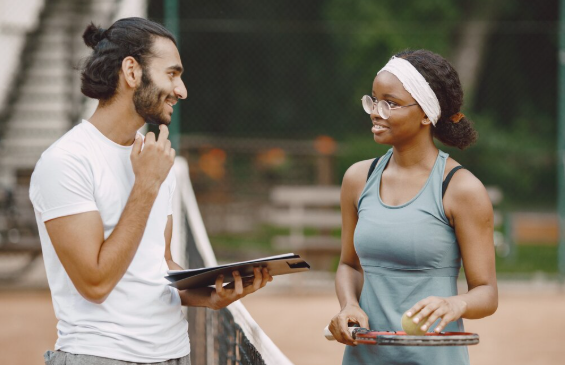
The center’s history includes its previous identity as a private tennis club, and racquet sports remain part of its recreational offerings.
Tennis can provide a combination of aerobic activity, coordination, balance, and quick movement. It can be played recreationally or as part of a more structured training program.
For people who enjoy social sports, racquet activities can also provide an opportunity to exercise while interacting with other members.
Pickleball
Pickleball has become another popular recreational option at many multisport facilities, and the center provides opportunities for players to participate in this growing sport.
Pickleball can be appealing because it combines movement, coordination, and social interaction without requiring the same court coverage as some other racquet sports.
Players can participate recreationally or join organized activities depending on their experience level.
Adaptive Sports and Recreation
Adaptive sports are one of the most important elements of the center’s identity.
Adaptive recreation modifies activities, equipment, rules, or environments when necessary to help individuals with disabilities participate more fully.
Programs can create opportunities for participants to:
- Build physical confidence
- Improve movement skills
- Participate in sports
- Meet other people
- Develop independence
- Enjoy recreational competition
The goal is not simply to provide modified exercise. It is also to create an environment where participants can experience the social and emotional benefits of being part of a recreational community.
Programs for Veterans
The center also supports veterans through fitness and recreation opportunities.
Physical activity can provide structure, social connection, and an enjoyable way to stay active. Programs designed specifically for veterans can create a more comfortable environment for participants who share similar experiences.
Community events and specialized activities can also provide opportunities for veterans to connect with other participants outside traditional fitness settings.
Youth Programs
Youth recreation is another important part of the facility’s community mission.
Sports and physical activities can help young people develop:
- Coordination
- Strength
- Endurance
- Teamwork
- Discipline
- Confidence
- Social skills
Programs that combine recreation with a supportive environment can also help children and teenagers develop positive attitudes toward physical activity.
The center works with community partners to expand opportunities for young people who may have limited access to sports and fitness resources.
Community Events
The facility regularly hosts community-focused events in addition to ongoing fitness and sports programs.
Examples can include:
- Family gatherings
- Sports events
- Fundraising activities
- Adaptive sports events
- Pool activities
- Pickleball events
- Community tournaments
- Wellness activities
These events make the facility more than a place to exercise. They create opportunities for people to connect through shared activities.
Membership and Facility Access
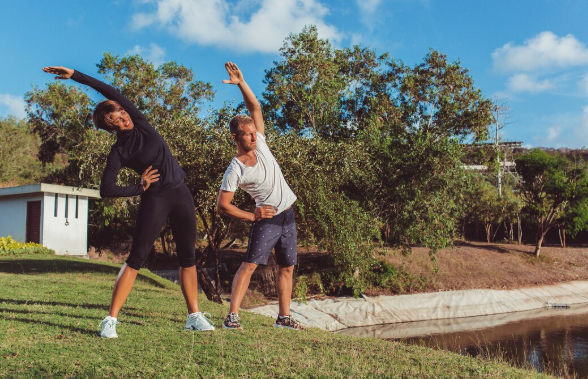
Membership can provide access to fitness, recreation, wellness, and community programming. Specific benefits can depend on the membership category and current facility policies.
People considering membership should evaluate what they actually plan to use.
For example, someone primarily interested in weight training may prioritize fitness access, while a family might be more interested in sports, aquatic activities, youth programming, and community events.
Before joining, it is useful to ask about:
- Membership costs
- Included facilities
- Fitness classes
- Court access
- Pool access
- Personal training
- Family options
- Guest policies
- Program registration
- Facility hours
Membership policies can change, so prospective members should confirm current details directly with the facility.
Using the Facility for a Balanced Weekly Routine
A multisport center can make it easier to vary workouts throughout the week.
A sample schedule might look like this:
| Day | Activity |
|---|---|
| Monday | Strength training |
| Tuesday | Basketball or cardio |
| Wednesday | Mobility and recovery |
| Thursday | Strength training |
| Friday | Swimming |
| Saturday | Pickleball or recreational sport |
| Sunday | Rest or light activity |
The schedule can be adjusted according to fitness level and personal goals.
The advantage of variety is that exercise does not have to feel repetitive. Different activities can challenge different physical skills while keeping workouts interesting.
Benefits of a Community-Based Fitness Facility
A community-oriented fitness center can offer advantages beyond exercise equipment.
Greater Accountability
Scheduled classes and organized activities can encourage people to stay consistent.
Social Connection
Group exercise and recreational sports provide opportunities to meet people with similar interests.
More Variety
Access to multiple sports and activities allows members to change their routines instead of repeating the same workout.
Inclusive Opportunities
Adaptive programs can make recreation more accessible to people who may face barriers at conventional gyms.
Family-Friendly Recreation
Families can participate in different activities within the same broader recreation environment.
How to Get the Most From Your Membership
Joining a facility is only useful if you actually use the resources available.
Start by identifying your primary goal. It could be improving strength, increasing endurance, learning a sport, becoming more active, or simply finding a social fitness environment.
Then create a realistic schedule.
For example, someone with a busy schedule may benefit from three planned visits per week rather than promising to exercise every day.
It is also worth exploring different programs. You may discover that swimming, basketball, pickleball, or group fitness keeps you more motivated than traditional gym workouts.
Choosing the Right Activities
Different activities provide different benefits.
| Activity | Potential Focus |
|---|---|
| Strength training | Muscle strength |
| Swimming | Full-body conditioning |
| Basketball | Cardio, agility, coordination |
| Tennis | Coordination and endurance |
| Pickleball | Movement and social recreation |
| Mobility work | Flexibility and movement quality |
| Adaptive sports | Accessible physical activity |
| Group fitness | Exercise and accountability |
There is no single activity that everyone needs to choose. The best option is one that matches your interests, ability, goals, and schedule.
What Makes the Center Stand Out?
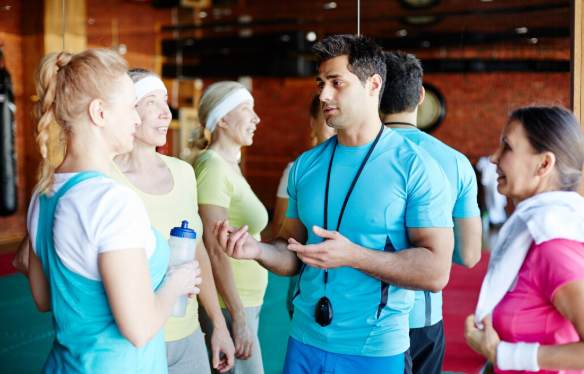
The strongest distinguishing feature is its mission of making fitness and recreation accessible to a broad community.
The center describes itself as a place where every body belongs and emphasizes adaptive and accessible programming. It also donates substantial facility time to community organizations and partners with numerous nonprofits.
That combination of fitness, sports, wellness, and community service creates a different experience from a traditional commercial gym.
Tips for New Members
If you are visiting or joining for the first time, a few simple steps can make the experience easier.
Learn the Facility
Take time to understand where the fitness areas, courts, pool, and other amenities are located.
Ask About Programs
There may be activities that are not immediately obvious from a basic gym visit.
Start at Your Level
You do not need to perform advanced exercises immediately. Begin with activities appropriate for your current fitness level.
Build Consistency
Choose a schedule you can realistically maintain.
Try Something New
If you normally use gym equipment, consider trying swimming, pickleball, basketball, or another recreational activity.
Key Points to Remember
- The facility is located in Oklahoma City, Oklahoma.
- It operates as a nonprofit multisport and wellness organization.
- Its mission emphasizes fitness and recreation for people of all abilities.
- Programs serve individuals with disabilities, veterans, youth, older adults, and other community members.
- Fitness and wellness are combined with recreational sports.
- Swimming, basketball, tennis, and pickleball are among the recreational opportunities associated with the facility.
- Adaptive recreation is a major part of its community mission.
- Community events provide additional opportunities for recreation and social connection.
- A varied weekly routine can combine strength, cardio, sports, swimming, and recovery.
- Prospective members should confirm current membership details and program availability before joining.
Final Thoughts
A strong recreation facility should provide more than exercise equipment. It should give people opportunities to move, connect, learn, compete, and enjoy physical activity in an environment where they feel welcome.
The Santa Fe Family Life Center takes a community-focused approach by combining fitness, sports, wellness, adaptive recreation, and outreach. This makes it an appealing option for people who want more variety than a traditional gym can provide.
Whether the goal is building strength, improving endurance, learning a sport, staying active with family, or participating in adaptive recreation, the facility offers multiple ways to make physical activity part of everyday life.
FAQs
Where is the Santa Fe Family Life Center located?
It is located at 6300 N Santa Fe Avenue in Oklahoma City, Oklahoma.
What activities are available at the facility?
The center offers a variety of fitness, sports, recreation, wellness, and community programs. Activities can include fitness training, basketball, swimming, tennis, pickleball, and adaptive recreation.
Does the center offer adaptive sports?
Yes. Adaptive and accessible recreation is a central part of the organization’s mission, with programs designed to provide opportunities for individuals with different abilities.
Can families participate in activities together?
Yes. The facility offers a variety of programs and recreational opportunities that can accommodate different age groups and interests, although individual program requirements may vary.
Is the facility only for athletes?
No. Its programs are designed for people with different fitness levels and abilities. The organization specifically emphasizes inclusive recreation and wellness opportunities for the broader community.