
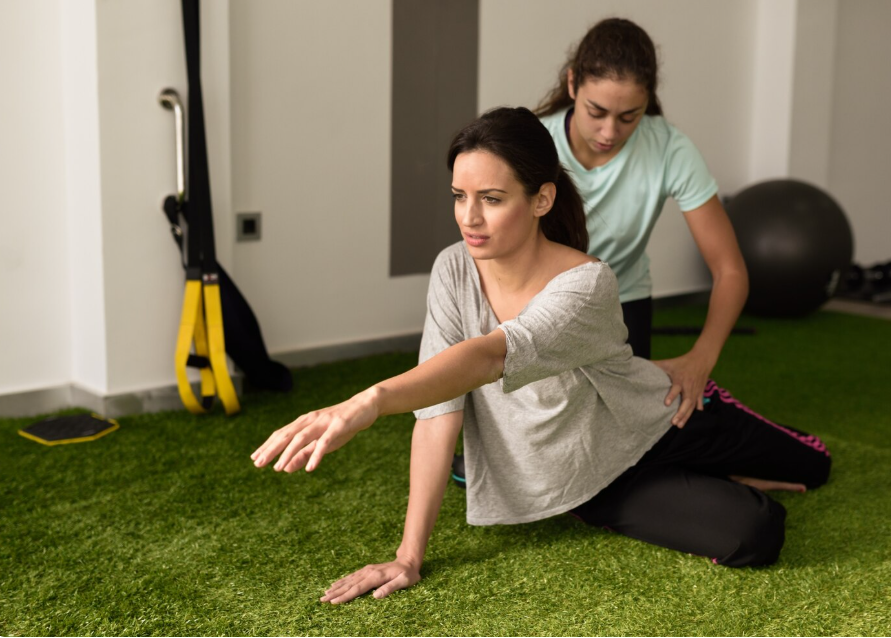
Maintaining good physical health is important for enjoying a comfortable and active lifestyle. However, muscle pain, joint stiffness, injuries, and movement difficulties can affect everyday activities. If you are considering Hillarys Physiotherapy, professional care can help you understand your physical concerns and work towards improving flexibility, strength, and mobility. With appropriate treatment, regular exercises, and healthy habits, you can take positive steps towards better physical well-being.
Understanding the Importance of Physical Rehabilitation
Physical rehabilitation plays an important role in helping individuals recover from injuries and manage movement-related difficulties. It focuses on improving muscle strength, joint flexibility, coordination, and overall physical function.
People from different age groups and lifestyles may benefit from professional rehabilitation. Office workers experiencing discomfort from prolonged sitting, athletes recovering from sports injuries, and older adults managing mobility challenges can all benefit from suitable treatment programmes.
A personalised approach helps ensure that treatment activities match individual requirements, physical abilities, and recovery goals.
Common Conditions That May Require Treatment
Several conditions can affect your ability to move comfortably and participate in everyday activities. Professional guidance can help manage these concerns.
1. Back and Neck Pain
Poor posture, extended working hours, and repetitive movements can contribute to back and neck discomfort. Appropriate stretching, strengthening exercises, and posture correction may help improve movement and reduce physical strain.
2. Sports-Related Injuries
Sports activities can sometimes result in muscle strains, ligament injuries, and joint problems. A structured rehabilitation programme can help rebuild strength, improve flexibility, and support a gradual return to physical activities.
3. Joint Stiffness
Discomfort in the knees, shoulders, hips, and ankles can make walking, bending, and lifting difficult. Targeted exercises may help maintain joint mobility and strengthen surrounding muscles.
4. Post-Surgical Recovery
After surgery, individuals may require professional rehabilitation to regain strength and movement. A suitable treatment programme supports gradual recovery and helps patients return to everyday routines.
Benefits of Personalised Treatment
Every individual experiences physical difficulties differently. Therefore, treatment should be designed according to personal health conditions and movement requirements.
A professional assessment generally considers posture, flexibility, muscle strength, movement patterns, and relevant medical history. Based on these findings, an appropriate treatment plan can be developed.
Treatment options may include therapeutic exercises, stretching routines, balance training, and manual techniques. Regular progress assessments also help determine whether adjustments are needed as physical abilities improve.
How Regular Exercise Supports Better Mobility
Exercise is an essential part of maintaining physical health. Consistent and appropriate movement can improve strength, flexibility, coordination, and joint function.
Some useful activities include:
- Strengthening exercises: Support muscles and improve stability.
- Stretching routines: Help maintain flexibility and comfortable movement.
- Balance training: Develop coordination and physical stability.
- Mobility exercises: Encourage healthy joint movement.
- Posture correction: Promote better sitting and standing habits.
Following professional instructions is important to ensure exercises are performed safely and correctly.
Developing Healthy Habits for Long-Term Wellness
Preventing physical problems is just as important as managing existing discomfort. Poor posture, repetitive movements, insufficient warm-ups, and excessive exercise can place unnecessary stress on muscles and joints.
Simple lifestyle changes can support better physical health. Take regular breaks during desk work, maintain a comfortable workstation, warm up before physical activities, and include suitable exercises in your daily routine.
Staying consistent with healthy habits can help improve physical confidence and support long-term mobility.
Choosing the Right Professional Support
Selecting a qualified practitioner is an important step towards better physical health. Look for experienced professionals who understand your concerns, explain treatment options clearly, and establish realistic recovery goals.
Good communication and individual attention can make the rehabilitation journey more comfortable. Patients should feel confident discussing their symptoms, asking questions, and sharing feedback about their progress.
Take a Positive Step Towards Better Health
Physical discomfort should not stop you from enjoying your favourite activities. With suitable professional guidance, consistent exercise, and healthier movement habits, you can work towards improving strength, flexibility, and mobility.
Make your physical well-being a priority by following appropriate treatment recommendations and maintaining an active lifestyle. Every small improvement can bring you closer to greater comfort, confidence, and independence.