
Understanding and preventing burnout is essential in today’s fast-paced and demanding world. Burnout, characterized by emotional exhaustion, depersonalization, and reduced personal accomplishment, can have serious consequences on mental health, productivity, and overall well-being. In this article, we’ll delve into the causes, signs, and strategies for understanding and preventing burnout. What is Burnout? Burnout is a state of physical, emotional, and mental exhaustion caused by prolonged stress and overwhelming work demands. It is often associated with feelings of cynicism, detachment, and a sense of ineffectiveness. Burnout can affect individuals in various professions and life domains, including work, caregiving, education, and personal life. Understanding the factors contributing to burnout and recognizing its signs are crucial steps in addressing and preventing this pervasive issue. Causes of Burnout Several factors contribute to the development of burnout, including: Signs of Burnout Recognizing the signs of burnout is essential for early intervention and prevention. Common signs and symptoms of burnout include: Strategies for Preventing Burnout Preventing burnout requires a proactive approach to managing stress, prioritizing self-care, setting boundaries, and creating a supportive work environment. Here are some strategies for preventing burnout: Conclusion Understanding and preventing burnout requires a proactive and holistic approach that addresses the underlying causes, recognizes early warning signs, and promotes individual well-being and resilience. By practicing self-care, setting boundaries, seeking support, and fostering a positive work environment, individuals can reduce the risk of burnout and cultivate a healthier, more sustainable approach to work and life. Remember that prevention is key, and taking proactive steps to prioritize mental, emotional, and physical well-being can lead to greater job satisfaction, productivity, and overall quality of life.

Healthy Alternatives to Common Comfort Foods
Finding healthy alternatives to common comfort foods is a great way to indulge in delicious meals while prioritizing your well-being. Comfort foods often evoke feelings of warmth, nostalgia, and satisfaction, but they can also be high in calories, saturated fats, sodium, and sugars. By making simple substitutions and modifications, you can enjoy healthier versions of your favorite comfort foods without compromising taste or satisfaction. In this article, we’ll explore a variety of healthy alternatives to popular comfort foods. 1. Cauliflower Pizza Crust Instead of traditional pizza crust made from refined flour, try a cauliflower pizza crust for a lower-carb and gluten-free option. Blend cauliflower florets into a fine texture, mix with eggs, cheese, and seasonings, then bake into a crispy crust. Top with tomato sauce, veggies, lean proteins, and a sprinkle of cheese for a nutritious and satisfying pizza experience. 2. Zucchini Noodles (Zoodles) Swap out traditional pasta noodles for zucchini noodles (zoodles) to reduce carbs and increase vegetable intake. Use a spiralizer to create long, thin strands of zucchini, then sauté or steam lightly until tender. Top with marinara sauce, pesto, grilled chicken, shrimp, or tofu for a flavorful and nutritious pasta alternative. 3. Sweet Potato Fries Instead of regular fries made from white potatoes and deep-fried in oil, opt for sweet potato fries for a healthier side dish. Slice sweet potatoes into thin strips, toss with olive oil, seasonings like paprika or cinnamon, and bake until crispy. Sweet potatoes are rich in vitamins, minerals, and fiber, making them a nutrient-dense choice for satisfying cravings. 4. Greek Yogurt Parfait Create a healthier version of a classic dessert by making a Greek yogurt parfait instead of ice cream sundaes. Layer Greek yogurt with fresh berries, sliced fruits, granola, nuts, and a drizzle of honey or maple syrup for sweetness. Greek yogurt is high in protein, calcium, and probiotics, while fruits and nuts add fiber, vitamins, and antioxidants. 5. Quinoa Stuffed Peppers Upgrade traditional stuffed peppers by using quinoa instead of rice for a protein-rich and gluten-free filling. Cook quinoa until fluffy, mix with sautéed vegetables, beans or lean ground turkey, herbs, and spices. Stuff the mixture into bell peppers, bake until tender, and top with a sprinkle of cheese or fresh herbs for a nutritious and satisfying meal. 6. Cauliflower Mac and Cheese Make a healthier version of mac and cheese by using cauliflower florets in place of pasta and a creamy, cheese sauce made from Greek yogurt, low-fat cheese, and seasonings. Blend cooked cauliflower with the cheese sauce, bake until bubbly, and garnish with breadcrumbs or herbs for a comforting and nutritious twist on a classic dish. 7. Veggie Burger Swap out beef burgers for veggie burgers made from plant-based ingredients like beans, lentils, chickpeas, quinoa, or mushrooms. These burgers are high in fiber, protein, and nutrients while being lower in saturated fats and cholesterol. Serve on whole-grain buns with lettuce, tomatoes, avocado, and a side of sweet potato fries for a satisfying meal. 8. Cauliflower Mashed Potatoes Create creamy mashed potatoes without the extra calories by using cauliflower as a base. Steam or boil cauliflower until tender, then blend with a bit of olive oil, garlic, herbs, and a splash of milk or broth until smooth and creamy. Season to taste and serve as a nutritious side dish alongside roasted vegetables or grilled chicken. 9. Chia Seed Pudding For a healthier dessert or snack option, make chia seed pudding instead of traditional puddings high in sugar and additives. Mix chia seeds with almond milk, vanilla extract, and a natural sweetener like honey or maple syrup. Let the mixture thicken in the fridge overnight, then top with fresh fruits, nuts, or shredded coconut for a nutritious and satisfying treat. 10. Baked Apples with Cinnamon Indulge in a comforting dessert by baking apples with cinnamon instead of apple pie loaded with sugar and buttery crust. Core apples, sprinkle with cinnamon, a touch of honey or stevia, and bake until tender. Serve warm with a dollop of Greek yogurt or a sprinkle of granola for a guilt-free and delicious dessert option. Conclusion Healthy alternatives to common comfort foods allow you to enjoy delicious meals and snacks while supporting your overall health and well-being. By making simple substitutions, incorporating more whole foods, and being mindful of portion sizes and cooking methods, you can create nutritious and satisfying versions of your favorite comfort foods. Experiment with different ingredients, flavors, and recipes to discover new healthy alternatives that nourish your body and delight your taste buds.

Mindfulness and Mental Health: Techniques for a Balanced Life
In today’s fast-paced world, where stress and anxiety are commonplace, achieving mental balance has become increasingly challenging. However, mindfulness, an ancient practice with roots in Buddhist meditation, has emerged as a powerful tool for enhancing mental health and fostering a balanced life. Mindfulness involves paying deliberate attention to the present moment, with acceptance and without judgment. This simple yet profound practice can significantly improve mental well-being, reduce stress, and promote overall health. Understanding Mindfulness Mindfulness is the practice of being fully engaged in the present moment. It means observing your thoughts, feelings, and bodily sensations without getting caught up in them or judging them. By cultivating a mindful approach, individuals can become more aware of their inner experiences and reactions, allowing them to respond to situations with greater clarity and calmness. Mindfulness can be practiced formally through meditation or informally by incorporating mindful awareness into daily activities. The Connection Between Mindfulness and Mental Health Research has shown that mindfulness can have a profound impact on mental health. Here are several ways mindfulness contributes to mental well-being: Techniques for Practicing Mindfulness There are various techniques to cultivate mindfulness, each offering unique benefits. Here are some effective methods: Incorporating Mindfulness into Daily Life To experience the full benefits of mindfulness, it’s essential to incorporate it into your daily routine. Here are some tips to help you get started: Conclusion Mindfulness is a powerful tool for improving mental health and achieving a balanced life. By cultivating present-moment awareness and a non-judgmental attitude, individuals can reduce stress, enhance emotional regulation, and foster resilience. Whether through formal meditation or incorporating mindfulness into daily activities, the practice offers numerous benefits for mental and emotional well-being. As mindfulness becomes a regular part of your routine, you may find yourself more centered, calm, and better equipped to navigate the challenges of life.

Healthy Meal Prep: Planning and Preparing Nutritious Meals
Healthy meal prep is a proactive approach to nutrition that involves planning, preparing, and storing meals ahead of time to support a balanced and nutritious diet. By dedicating time to meal prep, you can save time during busy weekdays, make healthier food choices, and avoid the temptation of fast food or convenience meals. This article explores the benefits of healthy meal prep, essential steps for effective meal planning, and tips for preparing nutritious meals in advance. Benefits of Healthy Meal Prep Essential Steps for Effective Meal Planning and Prep Tips for Nutritious Meal Prep

The Health Benefits of Spending Time in Nature
In a world filled with constant stimulation and digital distractions, the simple act of spending time in nature can have profound effects on our physical, mental, and emotional well-being. From reducing stress and anxiety to improving mood, cognitive function, and overall health, immersing ourselves in natural environments offers a multitude of health benefits. This article explores the diverse advantages of connecting with nature and embracing the healing power of outdoor experiences. Physical Health Benefits Mental and Emotional Well-Being Social and Community Benefits Spiritual and Mindfulness Benefits Tips for Embracing Nature’s Benefits Conclusion Spending time in nature offers a plethora of health benefits for body, mind, and spirit, making it an essential component of a balanced and healthy lifestyle. Whether seeking stress relief, emotional healing, physical fitness, or spiritual connection, immersing ourselves in natural environments nourishes our well-being on multiple levels. Embrace nature’s healing power, prioritize outdoor experiences, and cultivate a deeper connection with the natural world to enhance your overall health, happiness, and resilience.

10 Surprising Health Benefits of Regular Exercise
Regular exercise is widely acknowledged for its role in maintaining physical fitness and promoting overall health. However, beyond the well-known advantages of weight management and cardiovascular fitness, there are numerous lesser-known benefits that can significantly enhance your quality of life. Here are ten surprising health benefits of regular exercise that highlight the profound impact of physical activity on various aspects of your well-being. 1. Enhanced Cognitive Function Regular exercise has a remarkable impact on brain health. Physical activity stimulates the release of chemicals that promote brain cell growth and neural connections, improving memory, attention, and cognitive processing speed. Studies have shown that exercise can enhance brain function at any age, reducing the risk of cognitive decline and diseases such as Alzheimer’s. 2. Improved Mood and Mental Health Exercise is a natural mood booster. It triggers the release of endorphins, often referred to as “feel-good” hormones, which can alleviate symptoms of depression and anxiety. Additionally, regular physical activity reduces levels of stress hormones, such as cortisol, helping to combat chronic stress. The social interaction and sense of achievement that often accompany exercise further contribute to improved mental health. 3. Better Sleep Quality Engaging in regular physical activity can lead to better sleep quality. Exercise helps regulate the body’s internal clock, or circadian rhythm, promoting more consistent sleep patterns. It can also reduce symptoms of sleep disorders such as insomnia and sleep apnea. People who exercise regularly tend to fall asleep faster, enjoy deeper sleep, and wake up feeling more refreshed. 4. Enhanced Immune System Regular exercise has been shown to bolster the immune system. Moderate physical activity can stimulate the production of antibodies and white blood cells, which are crucial for fighting infections. Exercise also promotes better circulation, allowing these immune cells to travel more effectively throughout the body. This enhanced immune response can help you stay healthier and recover faster from illnesses. 5. Increased Longevity Numerous studies have linked regular exercise to increased life expectancy. Physical activity helps prevent the onset of chronic diseases such as heart disease, diabetes, and certain cancers. It also reduces the risk of stroke and can lower blood pressure and cholesterol levels. By maintaining a healthy weight and improving overall bodily function, exercise contributes to a longer, healthier life. 6. Improved Digestive Health Exercise can have a positive effect on digestive health by promoting regular bowel movements and reducing the risk of gastrointestinal issues such as constipation and irritable bowel syndrome (IBS). Physical activity stimulates the muscles in the digestive tract, enhancing the efficiency of digestion and nutrient absorption. It can also help alleviate symptoms of bloating and indigestion. 7. Better Skin Health Regular exercise can lead to healthier skin. Physical activity increases blood circulation, delivering more oxygen and nutrients to the skin, which can improve skin tone and texture. Exercise-induced sweating also helps cleanse the skin by removing toxins and unclogging pores. Additionally, the reduction in stress levels associated with exercise can help prevent stress-related skin conditions like acne and eczema. 8. Enhanced Flexibility and Mobility Incorporating stretching and flexibility exercises into your routine can significantly improve your range of motion and joint health. Activities such as yoga, Pilates, and dynamic stretching enhance flexibility, reduce muscle stiffness, and improve posture. This increased mobility can prevent injuries and make daily activities easier and more enjoyable. 9. Strengthened Musculoskeletal System Regular exercise strengthens the musculoskeletal system, which includes bones, muscles, tendons, and ligaments. Weight-bearing exercises, such as walking, running, and strength training, stimulate bone growth and increase bone density, reducing the risk of osteoporosis. Strength training also enhances muscle mass and strength, which is essential for maintaining functional independence, especially as you age. 10. Boosted Self-Esteem and Confidence Engaging in regular physical activity can boost self-esteem and confidence. Achieving fitness goals, whether it’s running a marathon or mastering a new yoga pose, provides a sense of accomplishment and empowerment. Exercise also improves body image by promoting a healthier, more toned physique. The psychological benefits of feeling stronger and more capable can extend to other areas of life, enhancing overall confidence. Integrating Exercise into Your Daily Routine To reap these surprising health benefits, it’s essential to incorporate regular exercise into your daily routine. Here are some tips to help you get started: By understanding and embracing the wide-ranging benefits of regular exercise, you can enhance your overall health and well-being, unlocking your body’s full potential and leading a more vibrant, fulfilling life.

The Connection Between Dental Health and Overall Wellness
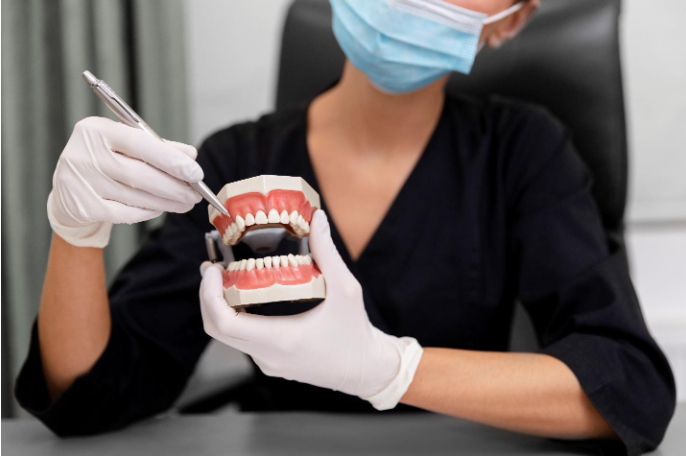
The link between dental health and overall wellness is undeniable, with research consistently highlighting the profound impact oral health has on various aspects of our well-being. From cardiovascular health to immune function and mental well-being, maintaining good dental hygiene plays a crucial role in promoting overall health and longevity. In this article, we’ll delve into the connection between dental health and overall wellness and explore the ways in which oral care contributes to a healthier life. 1. Oral Health and Heart Health Research has shown a significant connection between oral health and heart health. Poor oral hygiene, gum disease (periodontal disease), and oral infections can contribute to inflammation in the body, including the arteries. This inflammation can increase the risk of cardiovascular diseases such as heart attacks, strokes, and atherosclerosis (hardening of the arteries). Regular dental check-ups, proper brushing and flossing, and treating gum disease promptly can help reduce the risk of heart-related complications. 2. Immune System Support The mouth serves as a gateway to the body, and maintaining good oral hygiene is essential for supporting a healthy immune system. Harmful bacteria in the mouth can lead to infections, inflammation, and immune system activation. Chronic oral infections or periodontal disease can strain the immune system, making it less effective at fighting off other infections or illnesses. By keeping the mouth clean and free of bacteria, viruses, and pathogens, individuals can bolster their immune defenses and overall health. 3. Respiratory Health Poor oral health, especially gum disease, has been linked to respiratory issues such as pneumonia and chronic obstructive pulmonary disease (COPD). Bacteria from the mouth can be aspirated into the lungs, leading to respiratory infections and complications. Maintaining good oral hygiene and seeking timely dental treatment can reduce the risk of oral bacteria causing respiratory problems and improve overall respiratory health. 4. Diabetes Management There is a bidirectional relationship between diabetes and oral health. Poorly managed diabetes can increase the risk of gum disease and oral infections, as high blood sugar levels create an environment conducive to bacterial growth in the mouth. Conversely, gum disease can make it harder to control blood sugar levels, leading to complications for individuals with diabetes. Proper dental care, including regular dental visits and diligent oral hygiene, is essential for managing diabetes and reducing oral health-related complications. 5. Mental Well-Being The state of oral health can impact mental well-being and quality of life. Chronic oral pain, toothaches, gum infections, and dental problems can cause significant discomfort, stress, and anxiety. Poor oral health has also been linked to conditions such as depression and low self-esteem, as dental issues may affect a person’s ability to eat, speak, and socialize comfortably. Maintaining healthy teeth and gums through regular dental care contributes to better mental health and overall quality of life. 6. Nutritional Status Good oral health is essential for proper nutrition and overall nutritional status. Healthy teeth and gums allow individuals to chew food effectively, aiding in digestion and nutrient absorption. Tooth decay, gum disease, and missing teeth can limit food choices and impact dietary intake, leading to nutritional deficiencies and health issues. By maintaining healthy teeth and gums, individuals can support optimal nutrition and overall well-being. 7. Pregnancy and Infant Health Pregnant women’s oral health is crucial not only for their well-being but also for the health of their babies. Poor oral health during pregnancy has been associated with adverse pregnancy outcomes such as preterm birth, low birth weight, and preeclampsia. Additionally, oral bacteria can be transmitted from mother to child, increasing the risk of early childhood dental problems. Pregnant women should prioritize dental check-ups, cleanings, and oral hygiene practices to support a healthy pregnancy and infant health. 8. Overall Quality of Life Maintaining good oral health contributes to an overall higher quality of life. Healthy teeth and gums allow for proper chewing, speaking, and smiling, enhancing social interactions, self-confidence, and overall happiness. Regular dental care helps prevent dental problems, reduces the need for invasive treatments, and promotes lifelong oral health habits that benefit individuals throughout their lives. Conclusion The connection between dental health and overall wellness is multifaceted and far-reaching. From cardiovascular health and immune system support to mental well-being and nutritional status, maintaining good oral hygiene and seeking regular dental care are integral parts of a healthy lifestyle. Individuals should prioritize dental check-ups, practice diligent oral hygiene, eat a balanced diet, and address dental issues promptly to safeguard their overall health and well-being. By recognizing the importance of oral health in the context of overall wellness, individuals can take proactive steps to achieve optimal health and longevity.

How to Create a Personal Health and Wellness Plan
Creating a personal health and wellness plan is a proactive approach to prioritizing your well-being and achieving optimal physical, mental, and emotional health. A personalized plan takes into account your goals, lifestyle, preferences, and individual needs to create a roadmap for sustainable health habits and practices. In this article, we’ll explore the steps and components of creating a comprehensive personal health and wellness plan. 1. Define Your Goals The first step in creating a personal health and wellness plan is to define your goals. Consider what aspects of your health and well-being you want to improve or maintain. Your goals may include physical fitness, nutrition, stress management, sleep quality, mental health, weight management, or lifestyle changes. Be specific, measurable, and realistic when setting goals to track progress effectively. 2. Assess Your Current Health Status Conduct a comprehensive assessment of your current health status to identify strengths, areas for improvement, and potential health risks. Evaluate your physical fitness, nutritional habits, sleep patterns, stress levels, emotional well-being, medical history, and lifestyle factors. Consider consulting healthcare professionals, such as physicians, nutritionists, fitness trainers, or mental health counselors, for a thorough assessment and personalized recommendations. 3. Identify Areas of Focus Based on your goals and health assessment, identify specific areas of focus for your wellness plan. Common areas of focus may include: 4. Set SMART Goals Use the SMART criteria (Specific, Measurable, Achievable, Relevant, Time-bound) to set actionable goals within your health and wellness plan. For example: 5. Develop Action Plans Create actionable steps and strategies to achieve your goals within each focus area of your health and wellness plan. Break down larger goals into smaller, manageable tasks and prioritize actions based on importance and impact. For example: 6. Implement Healthy Habits Consistency is key to implementing healthy habits and sustaining long-term lifestyle changes. Incorporate your action plans into your daily routine, set reminders, track progress, stay accountable, and celebrate small victories along the way. Focus on building habits gradually, staying adaptable, and making adjustments as needed to maintain motivation and momentum. 7. Monitor Progress and Adjust Regularly monitor your progress towards achieving your health and wellness goals. Use tracking tools, journals, apps, or wearable devices to track physical activity, nutrition, sleep patterns, mood changes, and other relevant metrics. Review your progress periodically, celebrate achievements, identify areas for improvement, and adjust your action plans or goals as necessary to stay on course. 8. Seek Support and Accountability Engage support systems, accountability partners, or health professionals to help you stay motivated and committed to your health and wellness plan. Share your goals with friends, family, or online communities for encouragement, advice, and motivation. Consider working with a health coach, personal trainer, nutritionist, therapist, or counselor for personalized guidance, accountability, and support. 9. Practice Self-Care and Mindfulness Prioritize self-care practices and mindfulness techniques to nurture your overall well-being. Take time for relaxation, hobbies, self-reflection, gratitude, and activities that bring joy and fulfillment. Practice mindfulness in daily activities, such as eating mindfully, savoring moments, staying present, and managing stress effectively. 10. Celebrate Progress and Maintain Balance Acknowledge and celebrate your progress, achievements, and positive changes along your health and wellness journey. Recognize that setbacks or challenges are part of the process and opportunities for growth. Strive for balance in all aspects of your life, including work, relationships, leisure, and self-care, to maintain overall health and well-being. Conclusion Creating a personal health and wellness plan empowers you to take control of your well-being, set meaningful goals, and cultivate healthy habits for a fulfilling life

The Impact of Environmental Toxins on Your Health
In our modern world, we are exposed to a multitude of environmental toxins on a daily basis. These toxins, often found in air, water, food, and everyday products, can have a significant impact on our health. Understanding the sources of environmental toxins, their effects on the body, and strategies to minimize exposure is crucial for protecting our well-being. This article delves into the impact of environmental toxins on health and provides insights into how to mitigate their effects. Sources of Environmental Toxins Environmental toxins can originate from various sources: Health Effects of Environmental Toxins Exposure to environmental toxins can lead to a range of health effects: Strategies to Minimize Exposure While complete avoidance of environmental toxins may be challenging, there are steps you can take to reduce exposure and protect your health:

The Benefits of Regular Stretching and Flexibility Exercises
Regular stretching and flexibility exercises offer a multitude of benefits for physical, mental, and emotional well-being. Incorporating stretching routines into your daily life can improve mobility, reduce muscle tension, enhance athletic performance, and promote relaxation. In this article, we’ll explore the numerous benefits of regular stretching and flexibility exercises. 1. Improved Range of Motion One of the primary benefits of regular stretching is improved range of motion in joints and muscles. Stretching helps lengthen muscles and tendons, increasing flexibility and reducing stiffness. This improved range of motion allows for better movement patterns, increased agility, and decreased risk of injuries related to restricted mobility. 2. Enhanced Flexibility Flexibility refers to the ability of muscles and joints to move through a full range of motion. Regular stretching exercises, such as static, dynamic, and PNF (proprioceptive neuromuscular facilitation) stretching, can enhance flexibility over time. Increased flexibility not only improves athletic performance but also enhances daily activities, such as bending, reaching, and lifting. 3. Reduced Muscle Tension Stretching helps reduce muscle tension and tightness by promoting relaxation and releasing built-up stress in muscles. Stretching exercises target muscle groups prone to tightness, such as the neck, shoulders, lower back, and hamstrings. Relieving muscle tension can alleviate discomfort, improve posture, and enhance overall comfort and well-being. 4. Improved Posture Poor posture is a common issue due to sedentary lifestyles, prolonged sitting, and muscular imbalances. Regular stretching can help correct posture by lengthening tight muscles, strengthening weak muscles, and promoting proper alignment of the spine and joints. Improved posture reduces strain on muscles and ligaments, prevents back and neck pain, and enhances body awareness. 5. Injury Prevention Flexibility plays a crucial role in injury prevention, especially in sports and physical activities. Flexible muscles and joints are less prone to strains, sprains, and overuse injuries. Incorporating dynamic stretching and warm-up routines before exercise and static stretching after workouts can prepare muscles for activity, improve circulation, and reduce the risk of injuries. 6. Enhanced Athletic Performance Athletes and fitness enthusiasts can benefit significantly from regular stretching and flexibility exercises. Increased flexibility, improved range of motion, reduced muscle tension, and better posture contribute to enhanced athletic performance. Flexible muscles and joints allow for more efficient movement patterns, increased power, agility, and speed, and quicker recovery between workouts. 7. Stress Relief Stretching and flexibility exercises promote relaxation, reduce stress levels, and improve overall mental well-being. Stretching releases endorphins, the body’s natural feel-good hormones, which can elevate mood, reduce anxiety, and enhance relaxation responses. Incorporating stretching into a daily routine can be a calming and rejuvenating practice for both the body and mind. 8. Improved Circulation Stretching exercises stimulate blood flow and circulation throughout the body. Improved circulation delivers oxygen and nutrients to muscles, tissues, and organs, promoting cellular health and function. Enhanced circulation also facilitates the removal of metabolic waste products, reduces muscle soreness, and supports faster recovery after workouts. 9. Better Balance and Coordination Flexibility and mobility are essential components of balance and coordination. Regular stretching improves proprioception (the body’s awareness of its position in space), coordination of movements, and neuromuscular control. Enhanced balance and coordination can prevent falls, enhance stability during activities, and improve overall physical performance. 10. Mind-Body Connection Stretching exercises promote a deeper mind-body connection by encouraging mindfulness, body awareness, and focused breathing. Mindful stretching practices, such as yoga and tai chi, integrate movement with breath, relaxation, and meditation techniques. These practices cultivate a sense of presence, reduce mental chatter, and promote a calm and centered state of mind. Incorporating Stretching into Your Routine To reap the benefits of regular stretching and flexibility exercises, consider the following tips: Conclusion Regular stretching and flexibility exercises offer numerous physical, mental, and emotional benefits for overall well-being. Whether you’re an athlete, office worker, or anyone seeking improved mobility and relaxation, incorporating stretching into your daily routine can enhance flexibility, reduce muscle tension, prevent injuries, and promote a deeper mind-body connection. Explore different stretching techniques, listen to your body, and make stretching a consistent part of your wellness regimen for optimal health and vitality.