















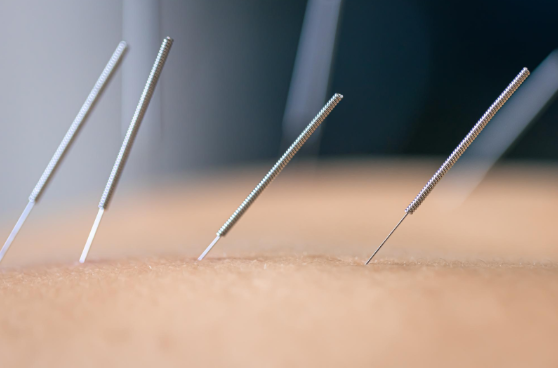
The unemployment of muscles is a typical issue. It may be caused by stress, bad posture, trauma, or sitting. Spasms cause restriction in movement and result in pain on a daily basis. Most individuals seek remedies that give them bodily relief. Dry needling therapy is one of the effective ones. It works directly on the tight muscle parts and makes the body relax and restore itself.
Understanding Muscle Tension and Its Causes
Muscle tension occurs when the muscles remain contracted with high duration of time. This has the ability to decrease blood circulation and form painful knots. These strains can be referred to as trigger points. They can create types of soreness and stiffness. In some cases, they even cause pain to other body parts.
Daily habits play a big role. Long sitting and repetitive actions, and stress are some of the contributors. Tight muscles can also be caused by injuries and overuse in the course of exercising. Tension may accumulate over the long run without appropriate treatment, which would restrict movement.
Benefits for Pain Relief and Movement
Dry needling therapy has a number of advantages. It will decrease the pain associated with tight muscles. It improves the range of motion. In several sessions, most individuals observe that they move comfortably.
This therapy is usually used by athletes to heal easily. Office workers also have the advantage, particularly those who experience tension in the neck and shoulders. It also supplements other forms of treatment, such as stretching and physical therapy. With relaxation of muscles, exercises are made more effective.
What Dry Needling Therapy Involves
Dry needling treatment involves exceptionally slim needles. These needles are inserted into the crevices of muscles. The goal is not medication. The needle is also a stimulus to the muscle. This assists in the release of the knot and flow of blood.
The operation is accurate and regulated. An experienced practitioner will strike at certain trigger points. Most sessions are short. The patients can experience brief twitching or pressure. This response demonstrates the following of the muscle. The majority of individuals are relieved shortly after treatment.
How Dry Needling Therapy Reduces Muscle Tightness
Once the needle has been inserted into a small muscle, a small response will be ensured. Blood circulation is augmented and results in relaxation of the muscle. This will help in the elimination of stored stress and waste. The oxygen gets into the location in a more convenient state.
There is also the nervous system response. Pain signals are reduced. The muscles begin to reset, and they are relieved. This will lead to softening and, consequently, more flexibility. The therapy of dry needling does not dull symptoms but is aggressive in nature and targets the target.
What to Expect During and After Treatment
A session is normally introduced by a short assessment. The therapist establishes areas of problem. Needles are very cautiously placed and have to be left temporarily for a short duration. The quantity of needles varies depending on the condition of the muscle.
Mild forms of soreness may appear after treatment. This is almost like the post-workout pain. It usually fades within a day. Sufficient water consumption and light stretching are helpful. Most individuals report improved sleep and a decreased level of tightness in the near future.