

In an era defined by rapid technological advancements and a deeper understanding of human biology, the search for medical treatment has evolved into a highly personalized journey. Patients today are no longer passive recipients of care; they are informed advocates for their own health. Whether managing chronic conditions or addressing acute illnesses, the quest for the right medical pathway involves finding experts who integrate cutting-edge science with compassionate, patient-centered philosophies. When seeking high-quality healthcare, individuals should prioritize facilities that emphasize precision medicine, multidisciplinary collaboration, and accessibility. Holistic Approaches to Comprehensive Cancer Treatment Centers When an individual or a loved one faces a diagnosis, finding a top-tier cancer treatment center is the most critical step in the healing journey. Modern centers have moved beyond traditional approaches, focusing instead on integrated oncology. This means combining standard therapies like surgery, chemotherapy, and radiation with supportive services such as nutritional counseling, psychological support, and pain management. The goal of a premier facility is not merely to treat the disease but to heal the patient entirely, ensuring the highest possible quality of life throughout the process. Essential Protocols for Iron Infusion Treatment Anemia and persistent fatigue are often overlooked, yet they can significantly diminish one’s daily functioning. For those who do not respond to oral supplements, seeking a specialized iron infusion treatment becomes necessary. This procedure delivers iron directly into the bloodstream, bypassing the digestive system for immediate absorption. It is vital to seek treatment at clinics that prioritize patient comfort, monitor vitals closely during administration, and employ skilled nursing staff who can ensure the process is seamless and safe, providing a much-needed boost to energy levels and overall vitality. The Future of Precision Diagnostic Imaging The foundation of effective medical treatment is an accurate diagnosis. Today, the pursuit of superior care involves looking for facilities equipped with the latest diagnostic imaging technology, such as high-resolution MRI, CT scans, and PET scans. These tools allow physicians to see into the body with unprecedented clarity, identifying abnormalities at their earliest, most treatable stages. Access to advanced imaging ensures that treatment plans are tailored to the specific anatomical and physiological needs of the individual, rather than relying on generalized protocols. Embracing Telehealth and Remote Monitoring The definition of medical treatment has expanded to include virtual care, which bridges the gap between expert specialists and patients in remote or busy locations. Seeking a medical system that offers robust telehealth services allows for consistent follow-ups and management of chronic conditions without the stress of frequent travel. Remote monitoring tools, which track blood pressure, glucose levels, or heart rhythms in real-time, empower patients to stay connected to their care teams, ensuring that any deviations are caught early and addressed promptly. Prioritizing Patient-Centered Wellness Plans Beyond specific medical procedures, the ideal treatment experience focuses on long-term wellness. This involves a shift toward preventive medicine and lifestyle coaching. When researching providers, look for teams that act as partners in your health. These experts should be willing to discuss preventative strategies, such as personalized diet plans, exercise physiology, and stress reduction techniques. By focusing on root causes rather than just symptoms, these professionals help patients build resilience and avoid future health crises.

Elevating Your Everyday Experience: Holistic Tips to Improve Your Quality of Life
Enhancing your overall quality of life is an intentional, continuous process that requires balancing physical vitality, mental clarity, and emotional well-being. In the hustle of modern routines, it is easy to neglect the foundational habits that sustain long-term happiness and fulfillment. True wellness is not achieved overnight; it is built through small, consistent choices that honor your mind and body. By prioritizing self-care and seeking professional guidance when necessary, you can unlock a healthier, more vibrant version of yourself. Here are six practical strategies designed to optimize your health, elevate your daily mood, and bring balance back to your life. Cultivating Lasting Mental Clarity Through Regular Eye Exams We often take our vision for granted, yet our eyes are the primary lens through which we experience the world. Chronic headaches, fatigue, and poor focus can frequently be traced back to uncorrected vision or prolonged digital strain. Scheduling regular eye exams is a simple yet profoundly impactful way to protect your cognitive and physical well-being. These routine checkups do more than update your lens prescription; they allow specialized optometrists to detect early signs of systemic health conditions, ensuring your eyes remain sharp and healthy. Overcoming Dependency inside a Compassionate Residential Drug Rehab Center True quality of life is impossible to achieve when your daily existence is overshadowed by substance dependency or destructive behavioral cycles. True healing requires stepping away from everyday triggers and entering a supportive, structured environment dedicated entirely to recovery. Enrolling in a comprehensive residential drug rehab center provides individuals with the professional medical care, intensive counseling, and peer community needed to break free from addiction. This dedicated space allows you to address deep-seated emotional trauma and build sustainable habits for a bright, sober future. Prioritizing Restorative Sleep Architecture and Nighttime Hygiene Your body cannot repair itself or regulate emotions effectively without adequate, high-quality sleep. Chronic exhaustion degrades your immune system, memory retention, and daily patience. To improve your sleep quality, establish a strict nighttime routine by dimming household lights and turning off electronic screens at least an hour before bed. Keeping your bedroom cool, dark, and quiet trains your nervous system to transition into a deep, restorative state, allowing you to wake up fully energized each morning. Nurturing Longevity Through Balanced Nutrition and Hydration The foods you consume serve as the direct fuel for your cellular health and mental performance. Shift your diet away from highly processed items and focus on incorporating whole, nutrient-dense foods like leafy greens, lean proteins, and healthy fats. Additionally, maintaining proper hydration is essential for joint health, digestion, and cognitive focus. Carrying a reusable water bottle throughout the day ensures you drink enough fluids before your body experiences the acute fatigue associated with dehydration. Engaging in Consistent Low Impact Physical Activity Regular physical movement is a powerful antidote to daily stress, anxiety, and physical stiffness. You do not need to undergo grueling workouts to reap the benefits of exercise; a simple thirty-minute daily walk can work wonders. Low-impact activities like swimming, cycling, or yoga release natural endorphins that immediately elevate your mood and improve cardiovascular health. Staying active strengthens your muscles and bones, protecting your physical mobility as you age. Setting Mindful Boundaries and Fostering Healthy Connections Your social environment plays a massive role in dictating your internal peace. Cultivate deep, meaningful relationships with friends and family members who support and inspire your personal growth. Concurrently, learn the vital art of saying no to professional or social obligations that drain your mental energy. Establishing clear boundaries protects you from burnout, ensuring you have the emotional capacity to enjoy your hobbies and appreciate the daily moments that make life truly beautiful.

5 Reasons to Choose a Reputable Microcrystalline Hydroxyapatite Supplier
In today’s competitive marketplace, product quality depends on the quality of raw materials used during manufacturing. Businesses operating in pharmaceutical, nutraceutical, dental, biomedical, and healthcare industries understand that ingredient sourcing plays a role in product performance. One ingredient that has gained significant attention in recent years is microcrystalline hydroxyapatite. This naturally occurring calcium phosphate compound closely resembles the mineral structure found in human bones and teeth. While many companies offer this material, not all suppliers maintain the same standards. Let’s explore 5 reasons why choosing the right supplier for this product is essential. Read on. Consistent Product Quality and Purity Quality remains the foundation of every successful product. Customers expect supplements, healthcare products, and dental formulations to perform consistently every time they make a purchase. A reputable microcrystalline hydroxyapatite supplier invests in quality control procedures. These procedures often include raw material inspection, laboratory testing, batch verification, and contamination monitoring. Consistency is especially important when working with specialized ingredients. Even minor differences in composition can affect product effectiveness, texture, stability, and consumer experience. Reliable suppliers maintain strict standards that help ensure every batch meets the same specifications. Reliable Regulatory Compliance Modern industries operate under strict regulatory requirements. Manufacturers must demonstrate that ingredients meet applicable quality and safety standards. Documentation plays an important role in this process. Regulatory agencies, auditors, and customers request detailed records regarding ingredient sourcing, manufacturing processes, testing procedures, and quality assurance practices. Trusted suppliers understand these requirements and provide comprehensive documentation to support compliance efforts. Good Supply Chain Stability Supply chain disruptions can create significant challenges for manufacturers. Delayed shipments, inventory shortages, and inconsistent availability may affect production schedules and customer commitments. A reputable supplier understands the importance of reliable delivery and inventory management. Established suppliers maintain stronger production capabilities, better forecasting systems, and more efficient logistics networks. These resources help ensure products remain available even during periods of increased demand. Technical Expertise and Customer Support Ingredient sourcing involves more than placing an order and receiving a shipment. Businesses require technical guidance regarding formulation, processing, storage, compatibility, and application requirements. Experienced suppliers provide valuable expertise that extends beyond product delivery. Their technical teams understand the scientific characteristics of the materials they provide. This knowledge allows them to troubleshoot challenges and recommend solutions that improve product performance. Better customer support also improves communication. Questions receive prompt answers, concerns are addressed quickly, and businesses gain confidence in their sourcing decisions. Long-Term Cost Efficiency and Business Growth Many companies focus solely on initial pricing when selecting suppliers. While competitive pricing matters, the lowest price does not always represent the best value. Poor-quality ingredients can create hidden costs that exceed any upfront savings. These costs may include product recalls, production delays, customer complaints, failed quality inspections, and regulatory issues. A reputable supplier helps reduce these risks by delivering consistent quality and dependable service. Businesses also benefit from improved customer satisfaction. Products that perform consistently help build trust and encourage repeat purchases. That’s how businesses can retain more customers.

Proven Tips and Modern Solutions to Improve Your Smile
A radiant smile is more than just an aesthetic asset; it is a vital component of self-confidence and overall health. Many people feel self-conscious about their teeth, often covering their mouths when they laugh or hesitating to smile in social situations. Fortunately, achieving a beautiful, healthy smile is highly attainable through a combination of consistent daily habits and professional dental interventions. Improving your dental aesthetics starts with understanding the importance of care and exploring the various corrective options available in modern dentistry. Consistent Oral Hygiene Fundamentals The foundation of any great smile begins with basic, non-negotiable hygiene habits. Brushing twice a day with fluoride toothpaste and flossing daily are the most effective ways to remove plaque and prevent decay. When you remove bacteria from between the teeth, you not only protect your enamel but also ensure that your gums remain pink and healthy, which frames your smile beautifully. Using an antiseptic mouthwash can further enhance your oral health by reducing bacteria in hard-to-reach areas. Professional Teeth Whitening Options Over time, diet and lifestyle habits like drinking coffee, tea, or soda can lead to tooth discoloration. While over-the-counter whitening kits are available, professional whitening treatments offered by dental clinics are significantly more effective and safer. These treatments use high-grade bleaching agents that penetrate the enamel to break down stubborn stains. A professional whitening session can brighten your smile by several shades in just one visit, providing an immediate boost to your overall appearance. Correcting Alignment with Invisalign For those looking to straighten their teeth without the visual disruption of traditional metal braces, modern orthodontics offers excellent alternatives. Using invisalign is a highly effective way to gradually shift your teeth into the desired position using clear, removable aligners. These aligners are virtually invisible, allowing you to improve your bite and alignment with minimal impact on your daily social life. Because they are removable, they also make it easier to maintain excellent hygiene throughout the treatment. Restoring Confidence with Full Dental Implants When teeth are missing, the structural integrity of your jaw and the aesthetics of your smile can suffer significantly. Opting for full dental implants provides a permanent and natural-looking solution that replaces both the tooth root and the crown. This procedure not only restores your ability to eat and speak with comfort but also prevents bone loss in the jaw. Implants function just like natural teeth, offering a stable and lasting way to regain a complete, beautiful smile. Regular Dental Checkups and Cleanings Prevention is always better than cure when it comes to dental health. Visiting your dentist every six months for a professional cleaning and examination allows for the early detection of potential issues like cavities or gum disease. During these visits, hygienists can remove hardened tartar that brushing alone cannot eliminate. Regular monitoring keeps your teeth in peak condition and provides an opportunity to discuss your aesthetic goals with a professional. Healthy Lifestyle and Dietary Choices What you put into your body has a direct impact on your teeth. A diet rich in calcium, phosphorus, and vitamin D strengthens your enamel, while crisp fruits and vegetables act as natural cleaners. Limiting sugary snacks and acidic beverages is essential, as these items can erode enamel and contribute to decay. By making conscious dietary choices and staying hydrated with water, you support the long-term health of your teeth and maintain a brighter, cleaner smile every single day.

How Podiatry Can Help You Relieve Chronic Foot Pain and Walk Comfortably Again
Foot pain can make everyday activities difficult and uncomfortable. Whether the pain occurs while walking, standing, or exercising, it can affect your quality of life. Many people ignore foot problems until they become severe, but early treatment can make a significant difference. This is where podiatry plays an important role. Podiatry focuses on diagnosing, treating, and preventing conditions that affect the feet, ankles, and lower limbs. With the help of a qualified podiatrist, many people can find relief from chronic foot pain and enjoy comfortable movement again. Understanding Chronic Foot Pain Chronic foot pain is pain that continues for weeks, months, or even years. It may result from injuries, medical conditions, poor footwear, aging, or excessive pressure on the feet. Common causes include plantar fasciitis, bunions, flat feet, arthritis, heel pain, and tendon problems. In some cases, diabetes and nerve-related conditions can also contribute to ongoing foot discomfort. Ignoring chronic foot pain can lead to worsening symptoms and mobility issues. Seeking professional care early can help identify the underlying cause and prevent further complications. The Role of Podiatry in Foot Health Podiatry is a specialized healthcare field dedicated to foot and ankle care. A podiatrist is trained to assess foot problems, identify their causes, and develop personalized treatment plans. Through detailed examinations and diagnostic techniques, a podiatrist can determine what is causing the pain and recommend the most effective treatment options. The goal of podiatry is not only to relieve pain but also to improve overall foot function and mobility. This allows patients to return to their daily activities with greater comfort and confidence. How a Podiatrist Diagnoses Foot Problems A podiatrist begins by reviewing a patient’s medical history and discussing symptoms. They may examine the structure of the feet, observe walking patterns, and evaluate areas of discomfort. In some cases, imaging tests such as X-rays or ultrasounds may be recommended to gain a clearer understanding of the condition. This thorough assessment helps the podiatrist create a treatment plan that targets the specific cause of the pain rather than simply addressing the symptoms. Treatment Options Available Through Podiatry Podiatry offers a wide range of treatments depending on the condition being treated. Custom orthotics may be prescribed to provide better support and improve foot alignment. Physical therapy exercises can help strengthen muscles and improve flexibility. A podiatrist may also recommend footwear modifications to reduce pressure on painful areas. For inflammatory conditions, treatments may include medications, stretching programs, or other therapeutic techniques. In more advanced cases, minor procedures or surgery may be considered to correct structural problems and restore proper function. Benefits of Professional Foot Care Receiving professional care through podiatry can lead to significant improvements in comfort and mobility. Patients often experience reduced pain, better balance, and improved walking ability. Regular visits to a podiatrist can also help prevent recurring problems and detect potential issues before they become serious. Proper foot care supports overall health because healthy feet allow individuals to stay active and maintain an independent lifestyle. Conclusion Chronic foot pain should never be ignored, as it can affect every aspect of daily life. Podiatry provides specialized care that helps identify the cause of pain and offers effective solutions for long-term relief. By working with an experienced podiatrist, patients can improve foot health, restore mobility, and walk comfortably again. Seeking professional treatment is an important step toward a healthier, more active, and pain-free life.

The Importance of Preventive Care for a Healthier Lifestyle
Adopting a preventive approach to healthcare is one of the most effective ways to ensure a long and vibrant life. Rather than waiting for symptoms to appear, preventive care focuses on early detection and lifestyle modifications that stop illnesses before they take root. This proactive stance not only saves individuals from the physical toll of chronic disease but also reduces the financial burden associated with complex medical interventions. By making minor adjustments today, you can secure a much healthier tomorrow. Here are five essential pillars of preventive care that contribute to a balanced lifestyle. Establishing a Routine for Clinical Screenings Regular medical check-ups are the cornerstone of any preventive strategy. These visits allow healthcare professionals to monitor vital signs such as blood pressure, heart rate, and cholesterol levels. Many life-threatening conditions, including hypertension and certain cancers, often present no obvious symptoms in their early stages. Through consistent screenings, doctors can identify these silent indicators and implement early interventions. Having a documented medical history also helps practitioners spot subtle changes over time, allowing for a highly personalized approach to your well-being. Optimizing Vitality Through Hormone Replacement Therapy As the body ages, hormonal fluctuations can significantly impact energy levels, mood, and physical strength. Exploring the benefits of hormone replacement therapy can be a vital part of a preventive health plan for those experiencing imbalances. This professional medical intervention helps to stabilize the body’s internal chemistry, which in turn reduces the risk of bone density loss and cardiovascular issues. By maintaining hormonal equilibrium, individuals often find they have more stamina to engage in the physical activities necessary to keep the rest of their body in peak condition. Protecting Oral Health with Access to Emergency Dentistry Preventive care extends beyond the general physician and into the dental office. While regular cleanings are essential, knowing how to access emergency dentistry is equally important for long-term health. Oral infections or sudden trauma to the teeth can lead to systemic issues if left untreated, as bacteria from the mouth can enter the bloodstream and affect heart health. Prompt attention to dental crises ensures that minor injuries do not escalate into severe infections. Maintaining a relationship with a dental professional ensures that both routine and urgent needs are met with expertise. Nutrition as a Shield Against Chronic Disease What you consume daily serves as the building blocks for every cell in your body. A preventive lifestyle prioritizes a diet rich in antioxidants, fiber, and essential fatty acids. These nutrients work to combat oxidative stress and inflammation, which are the root causes of many metabolic disorders. By choosing whole foods over processed alternatives, you provide your immune system with the resources it needs to defend against pathogens. Proper nutrition acts as a natural defense mechanism, keeping your energy levels stable and your organs functioning at their highest capacity. The Preventative Power of Consistent Movement Physical activity is a powerful medicine that requires no prescription. Engaging in regular exercise helps maintain a healthy weight, which is a primary factor in preventing type 2 diabetes and joint degeneration. Beyond weight management, consistent movement improves circulation and strengthens the respiratory system. Even low-impact activities like walking or swimming can significantly lower the risk of stroke and heart disease. Making movement a non-negotiable part of your daily routine ensures that your body remains resilient and capable as the years pass.
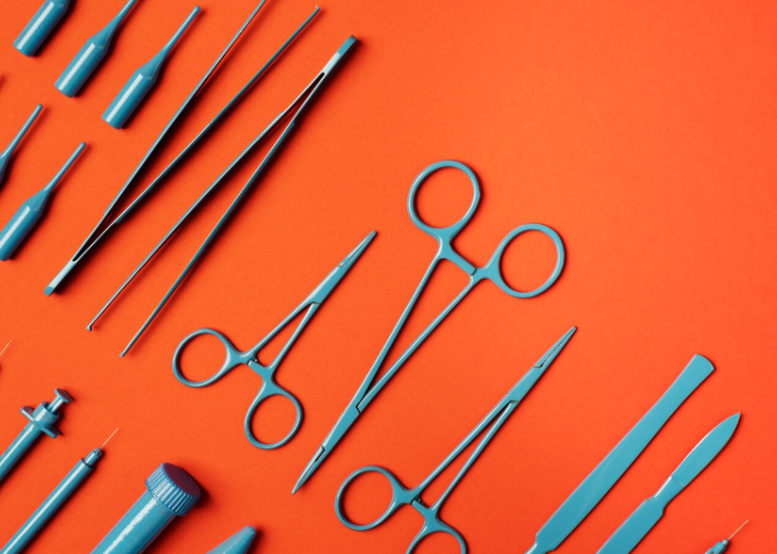
The Growing Role of a Surgical Stapler Manufacturer in Modern Healthcare
Modern surgery depends heavily on advanced medical technologies that improve precision, efficiency, and patient safety. Among the most important contributors to this progress is the robotic-assisted surgical system improving clinical outcomes. These companies design, develop, and produce specialized stapling devices used for tissue closure, organ reconnection, wound management, and minimally invasive surgical procedures across healthcare systems worldwide. Surgical staplers have become essential tools in modern operating rooms because they provide faster and more consistent tissue closure compared to many traditional suturing methods. As minimally invasive and robotic assisted surgeries continue expanding globally, manufacturers are investing heavily in innovation, research, and precision engineering to meet the evolving needs of healthcare providers. The growing demand for advanced surgical technologies continues driving major advancements within the surgical stapling industry. Understanding Surgical Stapling Technology Surgical staplers are medical devices designed to place specialized staples into tissue during surgical procedures. These staples are typically made from biocompatible materials such as titanium or absorbable polymers that are safe for use within the human body. Stapling systems are commonly used for wound closure, tissue division, organ resection, and tissue reconnection procedures. Compared to manual suturing techniques, staplers often improve consistency while reducing procedure time during surgery. Manufacturers develop various stapler designs to support different medical specialties and tissue conditions. Modern stapling systems include linear staplers, circular staplers, skin staplers, endoscopic staplers, and powered stapling platforms. Advanced staplers are engineered to improve tissue handling, reduce trauma, and support minimally invasive surgical techniques in modern healthcare environments. Role of Manufacturers in Surgical Innovation A surgical stapler manufacturer plays a critical role in advancing healthcare technology through continuous product development and clinical research. Medical device companies invest heavily in engineering, material science, ergonomic design, and digital integration to improve surgical performance. Manufacturers work closely with surgeons and healthcare professionals to understand procedural challenges and develop devices that improve precision and efficiency during operations. Research and development teams focus on improving staple formation, articulation, tissue sensing, and device reliability. Companies are also exploring robotic compatible stapling systems that integrate seamlessly with robotic surgery platforms. These innovations help surgeons perform highly controlled tissue management during minimally invasive procedures. The industry continues evolving rapidly as manufacturers pursue smarter, safer, and more versatile surgical solutions. Importance in Minimally Invasive Surgery Minimally invasive surgery has become one of the most important trends in modern healthcare because it improves patient recovery and reduces surgical trauma. Surgical stapler manufacturers develop specialized devices that support laparoscopic and robotic procedures performed through small incisions. Endoscopic staplers feature long shafts, articulating heads, and advanced control mechanisms that improve access within confined anatomical spaces. Powered stapling systems further enhance minimally invasive surgery by improving firing consistency and reducing physical strain for surgeons during complex operations. As hospitals continue expanding minimally invasive surgery programs, demand for advanced stapling technologies continues increasing across global healthcare markets. Manufacturers are responding by developing more ergonomic, intelligent, and digitally integrated stapling systems designed for modern operating rooms. Types of Stapling Products Manufactured Surgical stapler manufacturers produce a wide range of products for different medical specialties and clinical applications. Linear staplers are widely used for tissue division and closure during gastrointestinal and thoracic surgeries. Circular staplers are designed for reconnecting hollow organs such as sections of the digestive tract following tissue removal. These devices are especially important during colorectal and bariatric procedures. Skin staplers are commonly used for external wound closure in surgical and emergency care settings. Endoscopic staplers are designed specifically for minimally invasive procedures requiring operation through small surgical ports. Powered staplers represent one of the most advanced product categories because they use automated firing systems to improve consistency and precision during surgery. Manufacturers also produce reload cartridges, staple line reinforcement materials, and robotic compatible stapling systems to support evolving surgical needs. Benefits for Healthcare Providers and Patients Advanced stapling technologies provide many important advantages for both healthcare professionals and patients. Consistent staple formation helps support reliable tissue closure and may reduce certain surgical complications. Staplers often reduce operating time because tissue closure can be completed more quickly compared to traditional suturing methods. Shorter procedures may improve operating room efficiency and reduce anesthesia exposure for patients. Patients frequently benefit from reduced bleeding, smaller incisions, faster recovery, and lower postoperative discomfort when minimally invasive stapling technologies are used appropriately. Manufacturers continue improving ergonomics and device usability to support surgeon comfort during lengthy procedures. Powered systems reduce hand fatigue while enhancing control and precision during tissue management. Reliable product quality and performance are essential for maintaining patient safety and improving clinical outcomes. Technological Advancements Driving Industry Growth Medical device companies continue investing heavily in stapling technology research and development. Modern staplers now include advanced features such as tissue sensing technology that evaluates tissue thickness before firing. These intelligent systems help optimize staple formation while reducing the risk of improper tissue compression or incomplete closure. Enhanced articulation capabilities improve maneuverability during minimally invasive and robotic surgeries. Digital integration is also becoming increasingly important within modern operating rooms. Some stapling systems now support data tracking, procedural monitoring, and robotic platform compatibility. Manufacturers are additionally exploring absorbable staple materials, improved cartridge designs, and smart feedback systems that may further improve healing and surgical efficiency in the future. Importance of Quality and Regulatory Compliance Patient safety remains the highest priority for every surgical stapler manufacturer. Companies must comply with strict international regulations and quality standards before products can enter healthcare markets. Manufacturing facilities often operate under highly controlled conditions with advanced quality assurance systems and sterilization processes. Extensive testing is performed to evaluate mechanical performance, staple formation, tissue interaction, and device reliability. Manufacturers must also support ongoing product training and education for healthcare professionals to ensure safe and effective device usage. Regulatory oversight remains especially important because stapling devices are critical surgical instruments used during high risk medical procedures. Challenges Facing the Surgical Stapling Industry Despite strong industry growth, surgical stapler manufacturers also face several challenges. Product development and regulatory approval processes can be costly and time consuming because of

A Complete Guide to Sports Injuries and Pain Relief
Life is unexpected. Sometimes, you get injured during sports or physical activity. These activities, such as playing, sitting all day, or standing for long hours, can affect your tendons, shoulders, back, and feet. If you have any injury, you must identify and treat it with proper care, such as Achilles tendon rupture treatment, shoulder surgeons, cervical disc surgeons, podiatry, and Rolfing therapy. Here is how you can move from diagnosis to rehabilitation with personalized, effective, and compassionate care. 1. Achilles Tendon Rupture Treatment and Recovery An Achilles tendon rupture is a serious injury that affects the strong tendon that connects the calf muscles to the heel bone. This rupture often occurs during sports or sudden physical activity, where a person feels intense stress in the lower leg that causes sharp pain, swelling, stiffness, and difficulty in walking or standing on tiptoes. That is why timely diagnosis is important to treat the rupture with immobilization using a cast or brace, surgical repair, and physical therapy. Whether you face a sudden sports injury, ongoing heel pain, or difficulty in movement, early evaluation of achilles tendon rupture can help you walk with ease and confidence. 2. Shoulder Surgeon for Treating Injuries A shoulder surgeon diagnoses and treats complex conditions of the shoulder joint, muscles, tendons, ligaments, and bones. Even if you take pain relievers or anti-inflammatory medicine without relief, the problem may be more serious than a simple strain. These specialists treat conditions such as rotator cuff injuries, shoulder instability, fractures, arthritis, and sports-related trauma. Whether you deal with chronic shoulder pain, sudden injury, or limited mobility, a proper diagnosis, treatment, and rehabilitation by a shoulder surgeon ensures personalized and effective care. 3. Cervical Disc Fusion for Neck Pain Relief Cervical disc fusion is a surgical procedure in which a damaged or herniated disc is removed from the neck. To stabilize the spine, two adjacent vertebrae are fused together, and a bone graft is placed between them. This procedure relieves pressure on spinal nerves, reduces neck pain, restores stability, and prevents further degeneration. For personalized care, surgeons use advanced technology and modern techniques along with a wide range of orthopedic services such as joint replacement, sports medicine, pain management, and trauma care. 4. Early Detection and Care by Podiatrists A podiatrist understands that pain and loss of function in the feet and ankles can affect daily life. A podiatrist is a trained medical professional who can detect problems early with advanced diagnostic tools. They provide complete care for foot issues such as corn and callus removal, fracture management, fungal nail treatment, ingrown nail surgery, shockwave therapy, and diabetic foot care. A skilled podiatrist can treat foot and ankle disorders with both medical and surgical solutions. 5. Podiatry Care for Foot Pain and Injuries Good posture is not only about appearance; it supports strength, flexibility, and movement in the body. Rolfing is a therapeutic method that corrects poor posture by improving balance and alignment in connective tissues. It helps align the shoulders, head, neck, pelvis, legs, and feet to restore body balance. The benefits of Rolfing include better posture, improved stamina and a stronger back.

How Holistic Hormone Balancing Programs Can Help You Restore Energy and Daily Vitality
Many people today struggle with low energy, fatigue, mood changes, and lack of motivation in daily life. These issues are often linked to hormonal imbalance in the body. When hormones are not working properly, it can affect sleep, digestion, focus, and overall well-being. This is where holistic hormone balancing programs can play an important role. They aim to support the body naturally and help restore energy and daily vitality in a gentle and long-term way. Understanding Holistic Hormone Balancing Holistic hormone balancing is an approach that looks at the body as a whole system instead of focusing on one symptom at a time. It considers lifestyle, nutrition, stress levels, sleep quality, and emotional health along with hormone levels. The goal is to support the body’s natural ability to regulate hormones rather than relying only on quick fixes. By using holistic hormone balancing methods, the body can slowly return to a more stable and healthy state. How Hormones Affect Energy and Vitality Hormones are chemical messengers that control many important functions in the body. They help manage energy production, metabolism, mood, and sleep cycles. When hormones such as cortisol, thyroid hormones, estrogen, or testosterone are out of balance, a person may feel tired even after rest. They may also experience brain fog, low mood, or reduced motivation. Over time, these imbalances can affect daily performance and overall quality of life. Key Benefits of Holistic Hormone Balancing Programs Holistic hormone balancing programs offer several benefits that support long-term health and energy. One of the main advantages is improved energy levels throughout the day. As hormone levels become more stable, the body can function more efficiently. Many people also notice better sleep quality, which is essential for recovery and vitality. Another benefit is improved emotional balance. When hormones are balanced, mood swings and irritability often reduce. This helps create a more positive and stable mental state. These programs also support better digestion and metabolism, which can improve weight management and nutrient absorption. Overall, holistic hormone balancing can help individuals feel more active, focused, and refreshed. What You Can Expect from a Program A holistic hormone balancing program usually begins with an assessment of your current lifestyle and symptoms. Instead of a one-size-fits-all solution, the program is often personalized to meet individual needs. It may include guidance on nutrition, sleep habits, stress management, and natural supplements when needed. The process is gradual, as the body needs time to adjust and heal. With consistent support, many people start noticing positive changes such as more stable energy, improved concentration, and better daily productivity. The focus is always on long-term wellness rather than quick but temporary results. Lifestyle Support for Better Results Holistic hormone balancing works best when combined with healthy lifestyle choices. Regular physical activity can help regulate hormones and improve energy levels. Eating balanced meals with whole foods supports the body’s natural healing process. Reducing stress through relaxation techniques like deep breathing or meditation can also make a big difference. Good sleep habits are equally important because the body repairs and restores hormone balance during rest. When these lifestyle factors are aligned, the effects of holistic hormone balancing become even more noticeable and long-lasting. Conclusion Holistic hormone balancing programs offer a natural and effective way to restore energy and daily vitality. By focusing on the whole body and supporting natural hormone function, these programs help improve physical, emotional, and mental well-being. With time, consistency, and healthy lifestyle choices, individuals can experience a more balanced, energetic, and fulfilling life.

What are Implant-Supported Dentures and how are They Beneficial
Missing teeth can affect daily life in many ways. People may find it harder to speak, clearly, eat certain foods, or feel confident while smiling. One of the options is implant supported dentures, which is a modern dental treatment that offers more secure and long-lasting solutions that feel closer to natural teeth. Below is the simple explanation of what implant supported dentures are and how they are beneficial. What Are Implant Supported Dentures? Implant supported dentures are a type of denture that is attached to dental implants placed in the jawbone. These dentures are supported by small metal posts called implants that act like artificial tooth roots. This strong support helps the dentures stay stable and secure throughout the day. There are mainly two types of implant supported dentures. One type is called fixed, which can only be removed by a professional, while the other type is removable, which can be taken out for cleaning. Improve Stability and Comfort Unlike traditional dentures, implant supported dentures are more stable. Traditional dentures can move or slip while eating or speaking, which can be uncomfortable. On the other hand, implant-supported dentures stay firmly in place because they are attached to implants in the jaw. Since the dentures are more stable and do not rub against gums as much, they also improve comfort. It allows people to speak more clearly and eat without worrying about their dentures moving. Better Oral Health Another important benefit is improved oral health. Dental implants also help to protect the jawbone by keeping it active. When teeth are missing, the jawbone can slowly shrink over time and implants prevent this bone loss by acting like natural tooth roots. A dentist plays a key role in this process. They carefully place the implants and make sure the dentures fit properly. Regular visits to the dentist also help keep the implants and gums healthy. Improve Speaking and Eating Ability With the implant-supported dentures, people can easily eat a wide variety of food without getting uncomfortable. Unlike implant supported dentures, people with traditional dentures often avoid hard or sticky foods because the dentures may move. These dentures also improve speaking ability. Loose dentures can cause discomfort while talking, while implant-supported dentures stay in place and allow for more natural speech and better confidence. Provide Natural Look and Boost Confidence These dentures fit well in the mouth and are designed to look like natural teeth. They are made to support the shape of the face, which prevents the hollow look that can happen when teeth are missing. This improves overall appearance and gives a more natural look. Many people with implant-supported dentures feel more confident when smiling, talking, or interacting with others. This boosts confidence and positively affects both personal and professional life. Long-Term Durability and Value Implant-supported dentures are known for their durability. They can last for many years, which makes them a long-term and reliable solution. Although they may cost more at the beginning, their durability, strength and long life make them a valuable investment. With the proper care, they require less frequent replacement compared to traditional dentures. This means fewer adjustments and better overall satisfaction over time.