

Hemorrhoids can turn simple daily routines into painful experiences. When swelling, bleeding, and discomfort become severe, surgery is often considered. One common surgical option is a hemorrhoidectomy. After this treatment, the focus shifts from removal to recovery, and pain management becomes the most important part of healing. Understanding what to expect after surgery helps reduce anxiety and improves recovery outcomes. The healing phase is gradual, and discomfort is normal, but manageable with the right approach and care strategies. Surgical Overview Of Hemorrhoidectomy Procedure And Recovery A hemorrhoidectomy procedure is a surgical method used to remove severe or recurring hemorrhoids from the anal region. It is usually recommended when other treatments fail. During recovery, patients often experience swelling and soreness because the area is highly sensitive. The first few days are usually the most uncomfortable, but pain gradually reduces as tissues begin to heal. Doctors usually prescribe pain relief medications and suggest warm baths to ease discomfort. Proper rest is essential during this phase. The hemorrhoidectomy procedure involves deliberate tissue removal, so controlled pain is expected as part of healing. Pain Patterns After Surgery And Sensations During Recovery Pain after surgery is not constant but tends to peak during bowel movements and sitting. Patients often describe it as a sharp or burning sensation. This happens because the surgical area is exposed to natural pressure and movement. Mild bleeding can also occur during early recovery, which may increase temporary discomfort. The intensity of pain usually decreases over time, especially with consistent care. Emotional stress can sometimes amplify physical pain, so a calm routine helps significantly. Understanding these patterns makes recovery feel more predictable and less overwhelming for patients. Medication Based Pain Control Following Hemorrhoidectomy Procedure Pain control after surgery relies heavily on prescribed medications. Doctors often recommend analgesics to reduce inflammation and provide relief during the initial recovery days. In some cases, mild laxatives are also used to prevent strain during bowel movements. A hemorrhoidectomy procedure creates surgical wounds that need time to settle, so consistent medication timing is important. Skipping doses can increase discomfort unnecessarily. Over time, medication needs usually decrease as healing progresses. The goal is not just pain reduction but also smoother daily function while the hemorrhoidectomy procedure site heals properly and steadily. Wound Care And Healing Experience After Hemorrhoidectomy Procedure Proper wound care plays a major role in reducing pain and avoiding infection. Keeping the area clean and dry helps speed up recovery. Warm sitz baths are commonly recommended because they improve blood flow and relax muscles around the surgical site. A hemorrhoidectomy procedure involves sensitive tissue removal, so even small irritations can cause discomfort. Loose clothing and gentle hygiene practices make a noticeable difference. Healing usually progresses week by week, and discomfort gradually becomes less intense. Following care instructions carefully ensures that recovery from the hemorrhoidectomy procedure remains smooth and complication-free. Conclusion Pain management after surgery is a gradual process that improves with time, care, and consistency. Every step, from medication to diet, plays a role in reducing discomfort and supporting healing. Although the recovery period can feel challenging, it becomes easier when patients understand what is normal and what helps. With proper care, the body heals steadily, and daily comfort returns. A well-managed recovery ensures long-term relief and better quality of life after the hemorrhoidectomy procedure.

Healing with Expert Support: How a Colon Surgery Doctor Can Help You on Your Recovery Journey
Recovering from a colon condition or colorectal surgery can be physically demanding and emotionally challenging. This is where a skilled colon surgery doctor plays a vital role. Their support goes far beyond the operation itself. From diagnosis to recovery and long-term health management, they guide you through every stage of the healing journey, helping you regain strength, comfort, and confidence. Providing an Accurate Diagnosis The healing process begins with understanding exactly what is wrong. A colon surgery doctor carefully evaluates your condition through examinations, scans, and diagnostic tests to determine the cause of your symptoms. Whether the issue involves colon cancer, diverticulitis, polyps, bowel obstruction, or inflammatory bowel disease, an accurate diagnosis is essential for choosing the right treatment path. A clear diagnosis helps remove uncertainty and allows a focused plan for recovery. Creating a Personalised Treatment Plan Every patient’s condition is different. A specialist will design a treatment plan based on your diagnosis, medical history, age, lifestyle, and overall health. This may include surgery, medication, dietary adjustments, follow-up care, or monitoring. The benefit of working with a colon surgery doctor is that the treatment is tailored specifically to your needs rather than being a one-size-fits-all approach. This personalised care can significantly improve recovery outcomes. Performing the Surgery with Precision If surgery is required, the doctor’s expertise becomes one of the most important parts of your healing journey. A skilled colon surgeon performs procedures with precision, aiming to remove the problem while preserving as much healthy tissue and bowel function as possible. Modern techniques, including minimally invasive and laparoscopic procedures, can often reduce pain, shorten hospital stays, and support faster recovery. The quality of the surgery itself directly affects how smoothly healing progresses. Managing Post-Surgery Recovery Healing truly begins after the operation. A colon surgery dr carefully monitors your recovery, checks wound healing, manages pain control, and ensures your digestive system begins functioning properly again. They also monitor for any signs of infection, bowel complications, or delayed healing. This close medical supervision helps prevent complications and gives you reassurance during recovery. Providing Dietary and Lifestyle Guidance Diet plays a major role in healing after colon surgery. Your doctor will often advise you on what foods to eat, what to avoid, and how to gradually return to normal eating habits. This guidance helps reduce discomfort and supports the healing of the digestive tract. They may also recommend hydration strategies, gentle activity, and bowel management advice. Offering Emotional Reassurance Recovery can be mentally difficult as well as physical. A trusted specialist helps answer questions, explain what is normal during healing, and reassure you when symptoms cause concern. Knowing that an expert is guiding the process often reduces anxiety and makes the journey feel less overwhelming. Supporting Long-Term Health The role of the doctor does not end once the initial recovery is complete. Follow-up appointments, monitoring scans, and ongoing digestive health assessments are all part of the long-term healing journey. Their goal is to help you recover fully while protecting your future health. A colon surgery doctor supports your healing journey through diagnosis, expert surgery, recovery management, lifestyle advice, and long-term care. Their expertise can make the entire process safer, smoother, and far less stressful.

The Significant Benefits of Utilizing EMDR Therapy
Eye Movement Desensitization and Reprocessing is a transformative psychological approach that has gained global recognition for its effectiveness in treating trauma and other emotional distress. Unlike traditional talk therapy that focuses on verbalizing past experiences, EMDR therapy emphasizes the natural healing ability of the brain through bilateral stimulation. This process allows individuals to reprocess traumatic memories so they no longer carry the same emotional charge. Understanding the specific advantages of this method can help those seeking relief make informed decisions about their mental health journey. Accelerated Processing of Traumatic Memories One of the most notable advantages of this approach is the speed at which it can produce results compared to conventional methods. By using guided eye movements or taps, emdr therapy helps the brain bridge the gap between the logical mind and the emotional centers where trauma is often stored. This direct engagement with the nervous system allows patients to work through years of accumulated distress in a relatively short period. Many individuals find that they can resolve specific traumatic incidents in significantly fewer sessions than would be required in standard cognitive behavioral approaches. Reduction in Physical and Emotional Sensitivity Trauma often manifests as heightened physiological arousal, leading to symptoms like a rapid heartbeat, sweating, or a constant sense of panic. Through the structured phases of EMDR therapy, the vividness of disturbing memories begins to fade, and the associated physical tension diminishes. As the brain successfully integrates these memories into a long-term storage format, the “fight or flight” response becomes less easily triggered. This leads to a profound sense of calm and a reduction in the daily anxiety that many survivors experience. Breaking the Cycle of Negative Self Beliefs Traumatic experiences frequently leave behind a trail of damaging internal narratives, such as feeling unworthy, unsafe, or powerless. A core component of EMDR therapy involves identifying these negative cognitions and replacing them with adaptive, positive beliefs. For example, a person who feels responsible for a past event may transition to a state of understanding that they did the best they could. This cognitive shift is not just intellectual; it is deeply felt, allowing for a fundamental change in self-perception and improved self-esteem. Effective Treatment for Diverse Psychological Issues While originally developed for post-traumatic stress disorder, the applications of this method have expanded to include a wide range of conditions. It is increasingly used to treat phobias, chronic pain, complicated grief, and performance anxiety. Because the underlying mechanism involves clearing emotional blockages, it can be beneficial for anyone dealing with persistent negative patterns that seem resistant to traditional logic. The versatility of this technique makes it a powerful tool for holistic psychological healing across different types of life challenges. Minimal Requirement for Detailed Verbal Recounting For many survivors, talking in detail about a traumatic event can be re-traumatizing and exhausting. This therapy offers a unique benefit because it does not require the patient to describe every minute detail of their experience out loud. Instead, the focus remains on the internal sensations and images while the bilateral stimulation occurs. This makes it an excellent option for individuals who find it difficult to put their feelings into words or who feel overwhelmed by the prospect of traditional exposure-based talking cures.
Proactive Strategies to Prevent Common Dental Health Problems
Maintaining a healthy smile requires a lifetime of care and the adoption of consistent hygiene habits. Dental problems such as cavities, gum disease, and enamel erosion are largely preventable if addressed through a combination of daily maintenance and professional oversight. By understanding the factors that contribute to tooth decay and structural damage, individuals can take significant steps to protect their oral cavity. A proactive approach not only ensures a bright and confident appearance but also contributes to better systemic health by reducing inflammation and bacterial spread. The following strategies provide a comprehensive guide to fortifying your teeth against the most frequent dental challenges faced today. Achieving Perfect Alignment with a Professional Orthodontist Structural issues like crowding or a misaligned bite can create hidden pockets where plaque and bacteria flourish. Consulting with a professional orthodontist is a vital step in preventing long term decay and jaw complications. When your teeth are properly aligned by an orthodontist, they are much easier to clean effectively with a standard toothbrush and floss. Modern alignment treatments do more than improve your appearance; they distribute biting pressure evenly across all teeth, preventing premature wear and fractures. Correcting these irregularities early ensures that your oral hygiene routine remains efficient and your teeth stay healthy for many years to come. Managing Complex Oral Growth through Wisdom Teeth Removal As many young adults reach maturity, the emergence of third molars can pose a significant threat to the surrounding dental structure. Undergoing a professional wisdom teeth removal is often a necessary preventive measure to avoid impaction and the shifting of existing teeth. If left unaddressed, these molars can lead to painful cysts, infections, or the crowding of otherwise healthy dental arches. A timely wisdom teeth removal prevents the buildup of bacteria in hard to reach areas at the back of the mouth, which are highly susceptible to decay. Addressing these growth issues promptly safeguards your overall dental health and prevents more invasive surgical procedures in the future. Mastering Effective Daily Brushing and Flossing Habits The foundation of any preventive dental plan is the quality and frequency of your daily cleaning routine. It is essential to brush twice a day for a full two minutes using fluoride toothpaste to strengthen the protective enamel layer. Small, circular motions with a soft bristled brush help remove plaque without irritating the delicate gum tissues. Additionally, daily flossing is the only effective way to remove debris from the tight spaces between teeth that a brush cannot reach. These simple actions prevent the formation of tartar, which can only be removed by a professional, and significantly lower the risk of developing painful gingivitis. Utilizing Nutrient Dense Diets to Strengthen Tooth Enamel Your nutritional choices play a direct role in the biological strength of your teeth and the health of your supporting bone structure. Consuming foods rich in calcium, phosphorus, and vitamin D supports the remineralization process of the enamel. Crunchy vegetables and fruits stimulate saliva production, which acts as a natural cleanser by neutralizing harmful acids produced by bacteria. It is equally important to limit the consumption of processed sugars and acidic beverages that erode the protective surfaces of your teeth. A balanced diet provides the necessary minerals to keep your smile resilient against the chemical attacks that lead to cavities and sensitivity.
Essential Habits for a Radiant Smile: Tips to Take Care of Your Teeth
Maintaining excellent oral health is a lifelong commitment that requires a combination of diligent home care and professional intervention. A healthy smile does more than just enhance your appearance; it is a critical component of your overall physical well-being, as dental issues are often linked to more systemic health conditions. By adopting a proactive approach to hygiene and nutrition, you can protect your enamel and ensure the longevity of your natural teeth. Here are the essential strategies you should implement to keep your mouth in peak condition and prevent the development of painful and costly dental problems. Establishing a Masterful Daily Brushing Routine The cornerstone of dental health is the mechanical removal of plaque and food particles through consistent brushing. You should aim to brush your teeth at least twice a day using a soft bristled toothbrush and fluoride toothpaste. Fluoride is essential because it helps to remineralize the enamel, making it more resistant to the acid produced by bacteria. When brushing, use gentle circular motions at a forty five degree angle toward the gum line. It is important to brush for a full two minutes, ensuring that you reach the front, back, and chewing surfaces of every tooth to prevent decay. Mastering the Art of Interdental Cleaning While brushing is vital, it cannot reach the narrow spaces between your teeth where plaque and bacteria often hide. Neglecting these areas can lead to cavities and gum disease. Incorporating daily flossing or the use of interdental brushes into your routine is necessary to remove debris that a toothbrush misses. This practice helps to keep the gums healthy and prevents the buildup of tartar, which can only be removed by a professional. Consistent cleaning between the teeth ensures that your smile remains bright and your breath stays fresh. Partnering with a Skilled Dentist for Preventative Care No matter how well you clean your teeth at home, professional examinations are indispensable for long term health. Regularly visiting a qualified dentist allows for the early detection of issues like micro cavities, gum recession, or oral infections. During these appointments, a professional cleaning will remove hardened plaque and polish the teeth to perfection. A proactive relationship with your dental provider ensures that minor concerns are addressed before they require invasive treatments, saving you from discomfort and ensuring that your oral health remains a top priority throughout your life. Elevating Your Smile with Expert Orthodontics Guidance A straight and well aligned bite is not only about aesthetics; it is also about functionality and ease of cleaning. When teeth are crowded or misaligned, it becomes significantly harder to brush and floss effectively. Consulting a specialist in orthodontics can help correct these structural issues through the use of braces or clear aligners. Proper alignment reduces the risk of uneven wear on the teeth and helps prevent jaw related discomfort. Achieving a balanced bite through professional guidance is a strategic investment in the long term structural integrity of your entire mouth. Adopting a Tooth Friendly Diet and Hydration Strategy What you consume has a direct impact on the strength of your teeth. Sugary snacks and acidic beverages like soda can erode the enamel and fuel the bacteria that cause decay. To protect your smile, focus on a diet rich in calcium, phosphorus, and leafy greens. Drinking plenty of water, especially after meals, helps to wash away food particles and neutralize acids. Water also stimulates the production of saliva, which is the body’s natural defense mechanism against tooth decay and gum irritation.

How HIMS AME Services Help Pilots Maintain Medical Compliance
For pilots, maintaining medical compliance is not just a requirement—it is essential for safety in the skies. The Federal Aviation Administration (FAA) requires pilots to meet strict medical standards to ensure they are physically and mentally fit to operate aircraft. Navigating these regulations can be challenging, especially for pilots managing medical conditions or facing health concerns. This is where HIMS AME services play a crucial role. HIMS, which stands for Human Intervention Motivation Study, works closely with Aviation Medical Examiners (AMEs) to help pilots stay compliant with FAA regulations while maintaining their careers. Understanding HIMS AME Services HIMS AME services are specialized programs designed to support pilots who need guidance in medical compliance. These services are provided by trained Aviation Medical Examiners who are part of the HIMS network. The goal of HIMS AME is to ensure that pilots with medical conditions, such as mental health challenges or substance use disorders, can safely continue their flying careers. HIMS AMEs have expertise in FAA regulations and can offer advice and treatment options tailored to each pilot’s needs. This specialized support allows pilots to address health issues responsibly without risking their certification unnecessarily. Supporting Pilots with Medical Evaluations One of the main ways HIMS AME services help pilots is through thorough medical evaluations. Pilots may require regular check-ups, assessments, or ongoing monitoring depending on their medical history. HIMS AMEs are trained to conduct these evaluations efficiently and accurately, providing detailed reports to the FAA as needed. These evaluations not only verify that a pilot meets medical standards but also ensure that any conditions are managed properly. By working with a HIMS AME, pilots gain access to experts who understand the unique requirements of aviation medicine and FAA expectations. Assisting with Treatment and Monitoring HIMS AME services go beyond simple evaluations. They also provide guidance for treatment and ongoing monitoring of medical conditions. For instance, if a pilot is dealing with a health concern like depression, anxiety, or a controlled substance issue, HIMS AMEs can coordinate treatment plans that comply with FAA rules. They help pilots access counseling, therapy, or medical interventions while keeping the FAA informed about progress. This structured approach ensures that pilots do not face unexpected complications with their medical certification and can continue flying safely. Simplifying FAA Communication Dealing with the FAA can sometimes be overwhelming due to complex paperwork and strict requirements. HIMS AME services simplify this process for pilots. Experienced HIMS AMEs understand the documentation and reporting requirements needed for medical certification. They act as a bridge between the pilot and the FAA, ensuring that all necessary information is communicated clearly and accurately. This support reduces stress for pilots and minimizes the risk of errors that could delay or jeopardize certification. Promoting Long-Term Career Safety Beyond immediate compliance, HIMS AME services promote long-term safety and career sustainability. By addressing medical issues early and maintaining consistent monitoring, pilots can reduce the risk of sudden medical events while flying. HIMS AMEs encourage a proactive approach to health, helping pilots develop strategies to manage conditions effectively. This focus on prevention and responsible care benefits not only individual pilots but also the overall safety of the aviation community. Encouraging Confidentiality and Trust Confidentiality is a key aspect of HIMS AME services. Pilots can openly discuss sensitive medical concerns knowing that their HIMS AME will handle the information with discretion. This trust is essential for encouraging pilots to seek help when needed, rather than avoiding medical issues due to fear of losing certification. HIMS AMEs create a safe environment for pilots to maintain their health while continuing their professional responsibilities. Conclusion HIMS AME services are an invaluable resource for pilots seeking to maintain medical compliance with FAA regulations. Through thorough evaluations, treatment guidance, FAA communication support, and ongoing monitoring, HIMS AMEs help pilots address medical challenges responsibly. These services not only ensure that pilots meet regulatory standards but also support long-term career safety and health management. By working with a HIMS AME, pilots can confidently navigate medical requirements and focus on their primary goal—safe and effective flying.

Building a Powerhouse: Key Factors for Selecting Commercial Gym Machines
Designing a high-quality fitness facility requires a strategic approach to equipment selection. Whether you are opening a boutique studio or a large-scale athletic center, the quality of your equipment serves as the foundation of your business. Choosing the right commercial gym machines is not just about aesthetics; it is about ensuring user safety, maximizing durability, and providing a versatile workout experience that keeps members returning. To make a sound investment that yields long-term results, facility owners must look beyond the initial price tag. Here are six essential factors to consider when outfitting your space. 1. Durability and Build Quality Unlike residential equipment, machines in a professional setting endure constant use and heavy loads for several hours every day. You must prioritize equipment constructed with high-gauge steel frames and industrial-grade cables. When evaluating commercial gym machines, pay close attention to the quality of the welds and the thickness of the upholstery. Durable equipment reduces the frequency of mechanical failures, ensuring that your facility remains fully operational and professional in appearance. 2. Biomechanics and Ergonomics The effectiveness of a workout depends heavily on how well a machine mimics natural human movement. High-end commercial gym machines are engineered with advanced biomechanics in mind, ensuring that the resistance curve matches the strength of the muscle throughout the entire range of motion. Properly designed ergonomics also minimize the risk of joint strain and injury. Testing the equipment personally to ensure smooth transitions and adjustable seating will help cater to users of all body types and fitness levels. 3. Space Efficiency and Layout Floor space is one of the most valuable assets in any fitness center. Before making a purchase, create a detailed floor plan to determine how many units can comfortably fit without crowding the area. Many modern manufacturers offer multi-functional commercial gym machines, such as cable crossovers or four-stack stations, which allow multiple users to train simultaneously in a compact footprint. A well-organized layout improves the flow of traffic and enhances the overall safety of the environment. 4. Safety Standards and Certifications In a commercial environment, liability is a significant concern. Ensure that the equipment you select meets international safety standards and has undergone rigorous stress testing. Safety features such as enclosed weight stacks, intuitive locking mechanisms, and non-slip platforms are non-negotiable. Investing in reputable commercial gym machines often comes with the peace of mind that the products have been vetted for structural integrity, protecting both your members and your business reputation. 5. Maintenance and Warranty Coverage Every piece of hardware will eventually require servicing. When choosing a vendor, inquire about the specifics of their warranty and the availability of replacement parts. A comprehensive warranty should cover the frame, moving parts, and wear items like pads and cables for a reasonable period. Establishing a relationship with a supplier that offers local technical support and a clear preventative maintenance schedule is vital to extending the lifespan of your investment. 6. Technology and User Connectivity The modern fitness enthusiast often looks for a connected experience. Many premium machines now feature integrated touchscreens, heart rate monitoring, and compatibility with fitness tracking applications. While these features add to the cost, they can significantly enhance member engagement and provide your facility with a competitive edge. Consider whether your target demographic values digital integration or prefers a more traditional, analog strength-training experience.

Ways to Improve Your Physical and Sexual Well-Being as a Man
Maintaining optimal physical and sexual well-being is an essential aspect of a man’s overall health. A balanced lifestyle, proper medical care, and targeted treatments can enhance energy, confidence, and sexual performance. While aging and lifestyle factors can affect both physical and sexual health, there are proactive steps that men can take to improve their vitality, appearance, and sexual function. From medical treatments to daily habits, a comprehensive approach ensures both body and mind remain in peak condition. Microneedling Treatment: A Boost for Skin and Confidence Microneedling treatment is increasingly popular among men seeking to improve their skin health and appearance. This minimally invasive procedure involves tiny needles that create micro-injuries in the skin, stimulating collagen and elastin production. By enhancing skin texture and reducing signs of aging, microneedling treatment can help men feel more confident in their appearance. Beyond aesthetics, improved self-esteem often positively impacts sexual confidence and overall well-being, making it an important tool for men who want to look and feel their best. ED Treatment: Addressing Erectile Dysfunction ED treatment is a critical aspect of sexual well-being for men experiencing erectile difficulties. Erectile dysfunction can result from factors such as stress, poor circulation, hormonal changes, or chronic health conditions. Modern ED treatments, ranging from medications like PDE5 inhibitors to lifestyle modifications and therapy, can effectively restore sexual function. Seeking professional guidance not only improves physical performance but also reduces anxiety and strengthens relationships, contributing to a healthier and more fulfilling sexual life. Exercise and Physical Fitness Regular exercise is fundamental for maintaining both physical and sexual health. Cardiovascular workouts, strength training, and flexibility exercises improve blood flow, endurance, and hormone balance. Increased physical fitness enhances energy levels, muscle tone, and confidence, which are essential for sexual performance. Activities like swimming, weightlifting, or high-intensity interval training (HIIT) not only improve overall health but also boost testosterone levels naturally, supporting sexual vitality. Nutrition and Supplements A nutrient-rich diet is another key factor in enhancing well-being. Foods high in antioxidants, healthy fats, and lean protein support heart health, hormonal balance, and sexual function. Certain supplements, such as L-arginine, zinc, and vitamin D, may also help improve circulation and hormone regulation, supporting both physical and sexual performance. By focusing on balanced nutrition, men can strengthen their bodies from the inside out, promoting long-term vitality. Stress Management and Sleep Managing stress and prioritizing sleep are often overlooked but crucial for male well-being. Chronic stress can lead to hormonal imbalances, reduced libido, and fatigue, while inadequate sleep negatively impacts energy and cognitive function. Techniques such as meditation, deep breathing exercises, and consistent sleep schedules can mitigate these effects. Improved mental health and restorative sleep translate into better physical energy and enhanced sexual performance, creating a positive cycle of overall wellness. Regular Health Check-Ups Routine medical check-ups play a vital role in maintaining well-being. Screening for cardiovascular health, hormonal levels, and chronic conditions ensures that potential issues are addressed early. Regular discussions with healthcare professionals provide guidance on preventive measures, treatment options, and lifestyle adjustments, helping men stay proactive about both physical and sexual health. Conclusion Improving physical and sexual well-being as a man requires a holistic approach that combines professional treatments, lifestyle changes, and preventive care. Microneedling treatment can enhance appearance and confidence, while ED treatment addresses sexual performance challenges directly. Complementing these with regular exercise, balanced nutrition, stress management, quality sleep, and routine health check-ups ensures that men maintain vitality, energy, and sexual satisfaction well into the future. By investing in these areas, men can achieve a healthier, more confident, and fulfilling life.

5 Primary Tips for Colon Surgery
Colon surgery is a major procedure that requires careful preparation and attention before and after the operation. Patients can improve their recovery and overall outcomes by following key tips that focus on health, guidance, and support. Understanding what to do before and after surgery can help reduce complications and make the healing process smoother. It is important to approach colon surgery with awareness and the right support from medical professionals. Talk to a Colon Surgery Specialist Before undergoing colon surgery, it is crucial to talk to a colon surgery specialist. These specialists have detailed knowledge about the colon, different surgical techniques, and possible risks. They can provide advice tailored to each patient’s condition, explaining the procedure step by step. Meeting a colon surgery specialist allows patients to ask questions about recovery time, potential complications, and dietary changes. This consultation ensures that the patient fully understands the surgery and feels confident about the process. Visit a Specialist Healthcare Centre Choosing a specialist healthcare centre for colon surgery makes a significant difference in safety and recovery. Specialist healthcare centres have advanced equipment and experienced staff trained in colon surgery procedures. These centres can handle emergencies and provide follow-up care to monitor healing progress. Visiting a specialist healthcare centre also ensures access to proper nutrition advice, rehabilitation services, and patient education. Follow Pre-Surgery Instructions Carefully Patients must follow pre-surgery instructions closely to prepare the body for colon surgery. These instructions may include dietary restrictions, medication adjustments, and bowel preparation. Following these directions reduces the risk of infection and complications during surgery. Pre-surgery guidelines also help the surgical team perform the procedure more effectively. Patients should avoid certain foods and drinks and maintain clear communication with the medical team about any health changes before the operation. Focus on Nutrition and Hydration Nutrition and hydration play an essential role in recovery from colon surgery. Eating the right foods and drinking enough water before and after the operation supports the immune system and aids healing. Patients may need a special diet recommended by the healthcare team to reduce stress on the colon. Protein-rich foods, fruits, and vegetables can help rebuild strength, while staying hydrated keeps the body functioning properly. Following a nutritional plan ensures that the body has the energy and resources needed to recover faster and minimize complications. Pay Attention to Recovery and Follow-Up Care After colon surgery, recovery requires careful monitoring and follow-up care. Patients should rest, avoid strenuous activity, and take medications as prescribed. Attending follow-up appointments allows doctors to check for infections, proper healing, and overall health. Patients should report any unusual symptoms, such as fever, pain, or changes in bowel movements, to the medical team immediately. Proper recovery habits, including gentle exercise and continued nutrition, help restore strength and support long-term health. Conclusion Colon surgery can be challenging, but following these five tips can make the process safer and more manageable. Talking to a colon surgery specialist, visiting a specialist healthcare centre, following pre-surgery instructions, focusing on nutrition, and paying attention to recovery all contribute to better outcomes. Patients who prepare carefully and follow expert advice have a smoother surgery experience and faster recovery. With proper care and support, colon surgery can lead to improved health and quality of life.
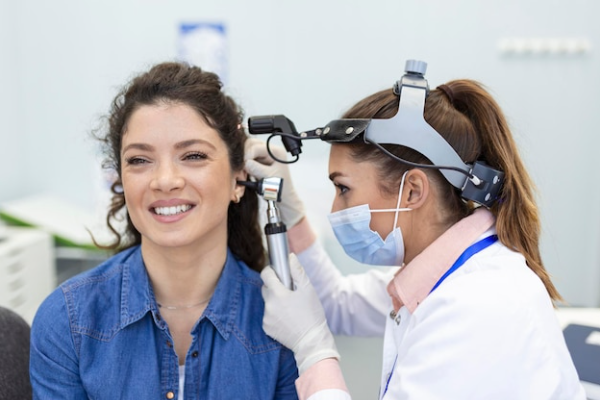
How a Hearing Test Works Step by Step Explanation
A hearing test is a simple and painless process that helps determine how well a person can hear sounds and understand speech. Many people feel nervous before their first test because they do not know what to expect. Understanding each step of the process makes it easier to feel comfortable and confident. Below is a clear, step-by-step explanation of how a professional hearing test works. 1. Initial Consultation and Hearing History The hearing test process begins with an initial consultation. During this step, the audiologist asks questions about your hearing concerns and overall health. You may be asked when you first noticed difficulty hearing, whether you experience ringing in the ears, dizziness, or ear pain, and if you are often exposed to loud noise. This information helps the specialist understand your condition and decide which tests are most appropriate. 2. Visual Ear Examination Before starting the main hearing test, the specialist examines your ears using a small instrument called an otoscope. This allows them to check the ear canal and eardrum for visible problems such as earwax buildup, infection, or blockage. Any physical issue in the ear can affect hearing results, so this step is important to ensure accurate testing. 3. Pure Tone Hearing Test One of the most important parts of a hearing test is pure tone audiometry. You are seated in a soundproof room and asked to wear headphones. Different tones at various volumes and pitches are played in each ear. Each time you hear a sound, you respond by pressing a button or raising your hand. This test measures the softest sounds you can hear and helps identify hearing loss at specific frequencies. 4. Speech Hearing Test After tone testing, a speech hearing test is conducted to evaluate how well you understand spoken words. You will listen to words or sentences at different volume levels and repeat them aloud. This step helps determine how hearing loss may affect daily communication, such as conversations with family, friends, or coworkers. 5. Middle Ear Function Test In some cases, the hearing test includes a middle ear function test. This test checks how well the eardrum and middle ear respond to changes in air pressure. It helps detect issues like fluid in the ear, eardrum stiffness, or problems with the middle ear bones. These conditions can cause hearing difficulties and may require medical treatment. 6. Results Discussion and Recommendations Once all testing is complete, the audiologist explains the results in detail. They show your audiogram and discuss whether your hearing is normal or if hearing loss is present. If needed, they may recommend solutions such as hearing aids, hearing protection, or follow-up care. This step helps you understand your hearing health and the next steps to improve it. Conclusion A hearing test is an essential tool for identifying hearing problems early and protecting long-term hearing health. By understanding how the process works step by step, you can feel more prepared and confident. Regular hearing tests can improve communication, quality of life, and overall well-being.