















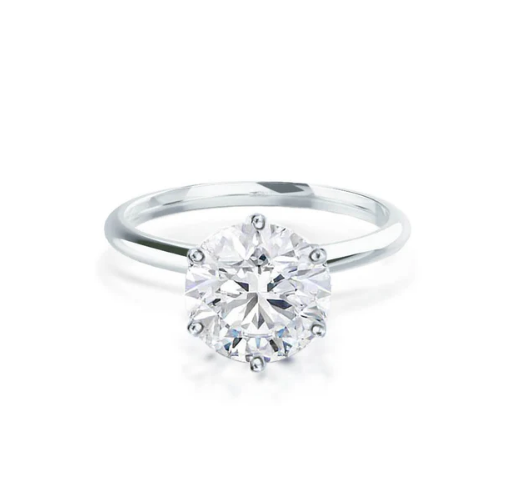
In a marketplace filled with fast production and disposable goods, many consumers are returning to brands that prioritize true craft. People who value meaningful purchases often look for depth, intention and quality. This is where craftsmanship-centered brands stand out. In this article, you will find a detailed exploration of why customers feel a deeper connection to these brands and why their loyalty remains strong. To learn more, click here and continue reading below for a full breakdown of the factors that build this lasting commitment.
Craftsmanship-focused brands create emotional resonance because their products carry a sense of purpose. Consumers increasingly want to understand the story behind what they buy. When they can see the skill, human effort and time invested in a product, it becomes more than an item. It becomes something worth appreciating and holding onto. This type of connection cannot be replicated by mass-produced goods. When buyers feel aligned with a brand’s philosophy and dedication, loyalty builds naturally.
One of the strongest reasons these brands retain loyal customers is the reliability of their products. High-quality craftsmanship typically translates into durability. When people invest in well-made goods, they experience long-term value. They do not have to constantly replace items, and they develop trust in the brand that provided them. Over time, this reliability becomes part of the brand identity. Shoppers remember how long the product lasted, how well it performed and how it made them feel that their money was used wisely.
Another factor that sets craftsmanship-focused brands apart is transparency. Many of these companies are open about the materials they use and the production process behind each product. When customers understand what goes into making something, they feel more confident about their purchase. This transparency also encourages ethical practices. Brands that proudly highlight their production methods usually emphasize fair labor, sustainable sourcing and responsible manufacturing. For buyers who prioritize conscious consumption, this clarity builds deep trust.
Craftsmanship also reflects authenticity. Authentic brands are extremely appealing in an era where marketing messages often feel exaggerated or impersonal. When a brand demonstrates genuine skill and commitment, customers recognize it. They appreciate the honesty and straightforwardness that comes with handcrafted or carefully produced goods. This authenticity contributes to a stronger emotional relationship between the buyer and the brand.
Customer experience plays a large role as well. Craftsmanship-driven brands usually offer more personalized attention, thoughtful details and consistent quality checks. This level of care extends beyond the product itself. It often appears in packaging, customer service and brand storytelling. When shoppers feel valued and understood, they return again. They also share their experience with others, which fuels organic growth and positive reputation.
Furthermore, craftsmanship-focused brands encourage a sense of pride in ownership. Having something made with intention and skill allows customers to feel part of something meaningful. They may even develop a sense of belonging to a community of individuals who appreciate similar values. This shared admiration enhances loyalty because it connects people not only to the product but to a broader mindset.
Ultimately, lasting loyalty stems from a brand’s ability to offer more than surface-level benefits. Craftsmanship-focused companies succeed because they combine quality, ethics, authenticity and human connection. They give people reasons to return and reasons to feel good about their choices. As consumers continue to seek items that enrich their lives rather than clutter them, brands that honor true craft will continue to earn strong, enduring loyalty.


